Art You Can Eat: Catalan Chocolatiers Craft Sweet Easter Traditions
Catalonia's Easter tradition, the 'mona,' is evolving with chocolatiers like Diana Patino crafting elaborate chocolate sculptures. These edible artworks blend architectural design with bold flavors, offering a modern twist on a beloved, centuries-old custom. The tradition highlights the fusion of art, culture, and culinary innovation.

Art You Can Eat: Catalan Chocolatiers Craft Sweet Easter Traditions
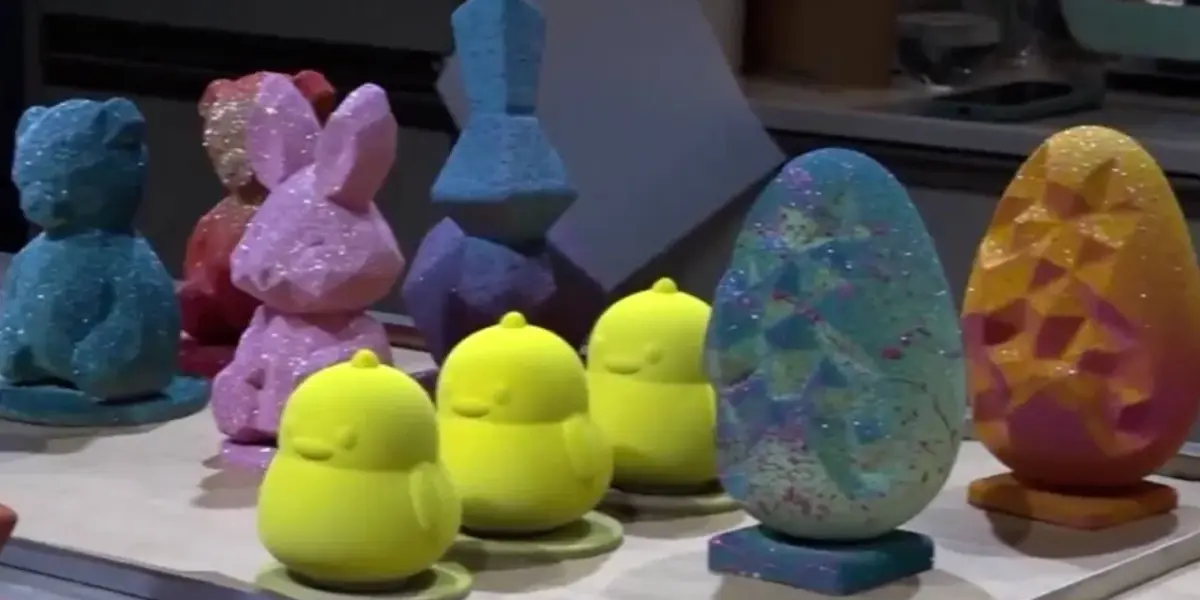
Easter in Catalonia, a region in Spain, is more than just a religious holiday; it’s a time for delicious traditions, especially when it comes to sweets. One of the most beloved is the “mona,” a special cake or chocolate sculpture that families enjoy together. These aren’t your average Easter treats. They are often elaborate works of art, made with chocolate and filled with creativity.
In Barcelona, chocolatiers like Diana Patino are pushing the boundaries of what these traditional sweets can be. Patino, who is also a trained architect, brings a unique perspective to her creations. She sees her monas as edible sculptures, blending her artistic vision with her culinary skills. “I transfer my ideas regarding chocolate shapes to the design of the Monas,” she explains. While they are often made for children, Patino believes adults can appreciate them just as much.
What makes Patino’s monas stand out is her bold use of color and flavor. She loves creating striking contrasts that catch the eye and surprise the taste buds. “I like to apply a lot of colors to them, applying contrasts in color, striking colors that appeal both to adults and children,” she notes. This approach sets her work apart in a tradition that already celebrates visual appeal.
A Twist on Sweetness
Beyond the visual artistry, Patino also plays with flavor in unexpected ways. Instead of relying heavily on sugar, she incorporates more acidic notes, a technique inspired by her tropical roots. This creates a complex taste experience, balancing sweetness with tartness. “I use a lot of acid flavors,” Patino says. “We are used to these types of flavors. I also like to create stark contrasts between very acid and very sweet flavors.” The result is a treat that is less cloyingly sweet and more interesting to eat.
Tradition and Scale
The tradition of the mona is deeply rooted in Catalan culture. Historically, godparents give monas to their godchildren as an Easter gift. This practice makes the mona a symbol of connection and celebration between families. The popularity of these treats is immense. The Petisserie Guild of Barcelona estimates that between 800,000 and a million monas are sold each year. This shows just how important this sweet tradition is to the region.
Why This Matters
The Catalan mona tradition highlights how food and art can merge to create meaningful cultural experiences. It shows that even long-standing traditions can be reinterpreted by modern artisans. Patino’s work, with its architectural influence and bold flavor profiles, demonstrates a contemporary take on a classic. It suggests that culinary arts can be a form of personal expression, blending technical skill with artistic vision.
Implications and Future Outlook
This trend of artistic culinary creations is not unique to Catalonia. Around the world, chefs and bakers are increasingly viewing food as a canvas for creativity. We see this in elaborately decorated cakes, intricate chocolate sculptures, and innovative flavor combinations appearing in high-end restaurants and bakeries. The mona tradition, with its emphasis on visual appeal and symbolic meaning, fits perfectly into this broader movement.
As consumers become more interested in unique experiences and visually appealing food, artisans like Patino will likely continue to thrive. They offer something beyond just sustenance; they offer a story, an experience, and a piece of edible art. This can inspire younger generations of bakers and chocolatiers to explore their own creative potential within traditional frameworks. The future of the mona, and similar culinary traditions, looks bright, blending respect for the past with a forward-thinking approach to taste and design.
Historical Context
The origins of the mona are a bit fuzzy, but they are believed to have roots in ancient spring festivals celebrating fertility and renewal. Over time, these pagan traditions blended with Christian Easter celebrations. The word “mona” itself might come from the Arabic word “munya,” meaning a gift or a delightful thing to eat. Originally, monas might have been simpler cakes or even just decorated eggs. The evolution into elaborate chocolate sculptures is a more recent development, likely influenced by advancements in confectionery techniques and a growing appreciation for decorative sweets.
The practice of godparents gifting monas is a significant aspect of the tradition. It reinforces family bonds and marks the importance of Easter as a time for community and giving. The sheer volume sold each year underscores its central role in Catalan Easter celebrations. It’s a tradition that has successfully adapted over centuries, from simpler forms to the complex chocolate masterpieces we see today.
Source: Catalonia Celebrates Easter With Sweet Sculptures (YouTube)

Related Articles


Israel Strikes Iran: Escalation Ignites Mideast Tensions
Black smoke was seen near an Iranian airport after reported airstrikes, fueling fears of wider conflict. Israel claims to have hit over 70 Iranian targets, while diplomatic talks appear to be faltering. This escalation marks a dangerous increase in direct confrontation in the Middle East.


Trump Tariffs Target Drugs, Escalate Iran Conflict
President Trump escalates military action in Iran, destroying a major bridge and threatening further strikes. Simultaneously, new 100% tariffs on imported drugs aim to lower prices and boost U.S. production, while Attorney General Pam Bondi departs.


China’s Panama Canal Ports Move Sparks Trade War Fears
China's detention of Panama-flagged ships escalates a dispute over control of Panama Canal ports. US officials condemn the move as economic bullying, warning of disruptions to global trade and rising costs.