Trump’s Passover Message: Faith, Freedom, and a Nation’s Future
President Trump extended Passover greetings, linking the ancient Jewish exodus from slavery to a modern vision of American prosperity and divine protection. His message from the Oval Office emphasized themes of freedom and national strength, drawing parallels between historical liberation and the present day.

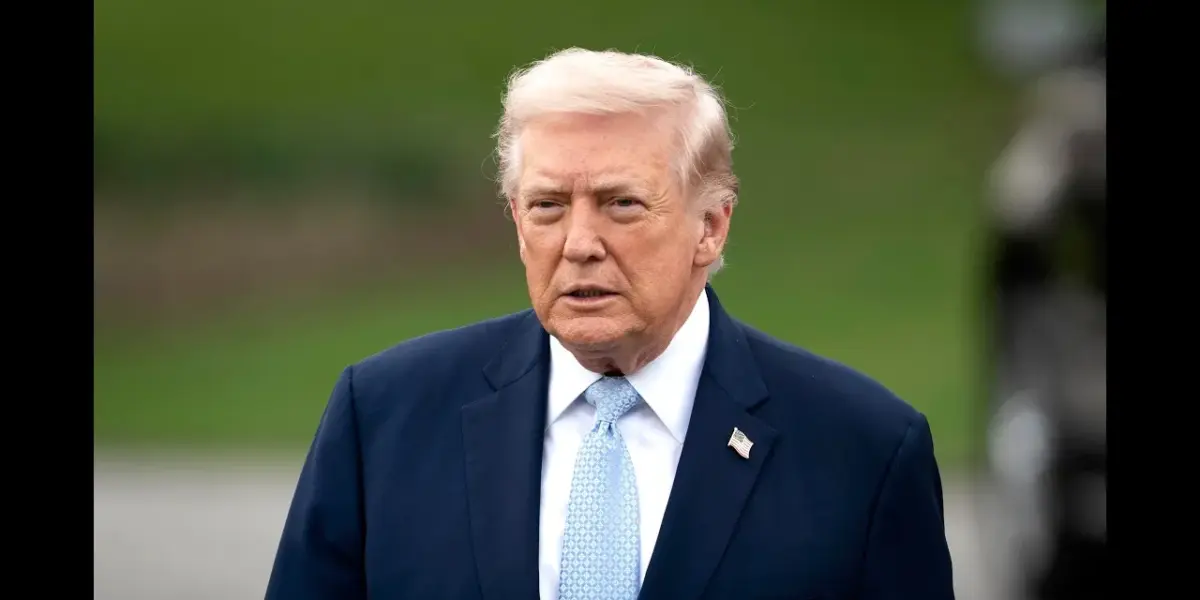
Trump Extends Passover Greetings from the Oval Office
President Donald Trump recently delivered a special message of goodwill, wishing a happy Passover to Jewish communities in the United States, Israel, and across the globe. Speaking from the historic Oval Office, Trump framed the holiday within its deep religious and historical context. His remarks touched upon themes of freedom, divine protection, and the enduring strength of the American nation.
Recalling Ancient Liberation
The President specifically referenced the Passover story, which commemorates the liberation of the ancient Israelites from slavery in Egypt over 3,000 years ago. He described this event as a pivotal moment where God led the Israelites from bondage to the “promised land.” This ancient narrative, Trump suggested, echoes the significance of the present day, calling it an “amazing period of time.”
The core of the Passover celebration, the seder dinner, was highlighted by Trump as a time when Jewish families and loved ones come together. During these gatherings, he expressed a prayer for continued divine watchfulness over the Jewish people. He also extended this plea for protection to the United States, asking that God preserve and safeguard the nation for future generations.
A Nation at its Peak?
In his address, President Trump shared a positive outlook on the state of the country. He reported with considerable satisfaction that the United States is performing better than ever before. This statement, delivered as part of his Passover wishes, links the nation’s perceived success to the blessings sought for the Jewish people and the country itself.
Why This Matters
Messages from the President of the United States during significant religious holidays carry weight. They serve not only as expressions of respect for a particular faith community but also as statements about national values and identity. Trump’s use of the Passover narrative connects the historical struggle for freedom with contemporary national pride and a sense of divine favor. This approach can resonate deeply with religious voters and reinforce a particular vision of America as a divinely blessed nation.
Historical Context and Trends
Presidents have historically acknowledged major religious holidays, including Passover. These acknowledgments often aim to foster inclusivity and demonstrate respect for diverse religious traditions within the American mosaic. However, the specific framing and emphasis can vary. Trump’s emphasis on divine protection for both the Jewish people and the United States, coupled with his declaration of the nation’s peak performance, aligns with a broader trend of using religious rhetoric to bolster national identity and political messaging.
The Passover story itself is central to Jewish identity. It is a narrative of resilience, redemption, and the ongoing struggle for freedom. For many, it is a reminder of historical persecution and the importance of vigilance against injustice. When this story is invoked by political leaders, it can be interpreted in various ways – as a genuine expression of solidarity or as a strategic use of religious symbolism for political gain.
Implications and Future Outlook
Trump’s Passover message highlights the intersection of religion, politics, and national identity in the United States. For the Jewish community, the holiday is a sacred time for reflection and observance. Political engagement during this period can be a complex issue, with some appreciating the acknowledgment and others wary of its potential politicization. The way political leaders engage with religious traditions often reflects and shapes public discourse on faith and its role in public life.
Looking ahead, the practice of political leaders issuing holiday greetings is likely to continue. The tone and content of these messages, however, may evolve. As the nation becomes more diverse, the challenge for leaders will be to offer messages that are both respectful of specific traditions and broadly inclusive of all citizens. The power of such messages lies in their ability to unite and affirm shared values, or conversely, to divide by emphasizing particular interpretations of faith and nationhood.
Trump’s remarks during this Passover serve as a reminder of how deeply intertwined religious observance and national identity can be in the American context. The ancient story of liberation continues to inspire, and its retelling in the modern political arena offers a glimpse into the ongoing conversation about faith, freedom, and the American experiment.
Source: Trump Wishes Happy Passover to American Jewish Community (YouTube)

Related Articles


Trump’s Bold Oil Plan: Seize Hormuz for Global Fortune
President Trump proposed the U.S. seize control of the Strait of Hormuz to profit from oil sales. This bold suggestion comes as nations dependent on the vital waterway show reluctance to ensure its openness. The situation highlights global energy security concerns and complex international relations.
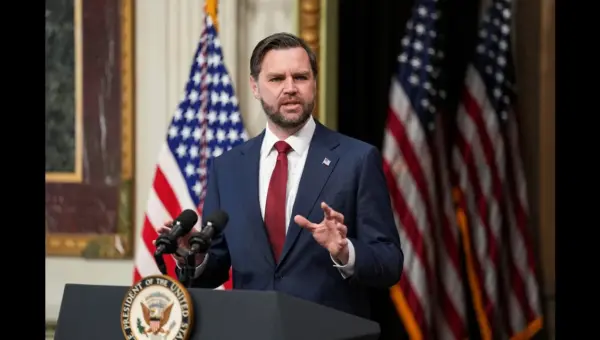
Trump Directs Vance to Target Blue States for Fraud Investigations
President Trump has appointed J.D. Vance to lead a new national task force focused on investigating fraud, with a stated emphasis on Democratic-led states. Trump claims these efforts could significantly impact the national budget if successful.

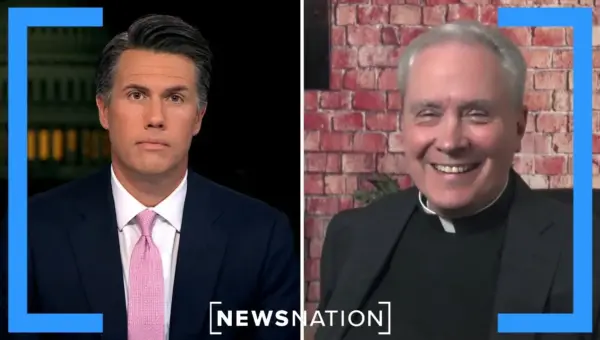
Pope and Trump Clash Over Iran, Faith Sees Youthful Revival
Pope Francis's calls for peace contrast with President Trump's policies, particularly concerning Iran. Meanwhile, a surprising number of young Americans are turning to the Catholic Church, seeking deeper meaning and unconditional love in a complex world.