Israel Cripples Iran’s War Machine: 70% of Steel Output Gone
Israeli Prime Minister Benjamin Netanyahu announced a major strike against Iran's military funding. He claims Israel destroyed 70% of Iran's steel production capacity, significantly weakening the Revolutionary Guard Corps. This action is part of a long-standing conflict and could have major implications for regional stability.


Israel Strikes Blow Against Iran’s Military Funding
Israeli Prime Minister Benjamin Netanyahu recently announced a significant military action against Iran. He stated that Israel, working with the United States, has severely damaged Iran’s ability to fund its military operations. Netanyahu specifically highlighted that the Israeli Air Force has destroyed 70% of Iran’s steel production capacity in recent days.
Strategic Impact of Destroying Steel Production
Netanyahu explained the importance of this strike. Destroying Iran’s steel-making ability is seen as a major blow to the Iranian Revolutionary Guard Corps. This action aims to cut off vital financial resources. It also limits Iran’s capacity to produce weapons, directly weakening its military strength. Netanyahu framed this as a success achieved through close cooperation with the U.S. and President Trump.
Context: A Long-Standing Conflict
The actions described by Netanyahu are part of a larger, ongoing conflict between Israel and Iran. Both nations have been involved in a shadow war for years, often through proxy forces in the Middle East. Iran supports groups like Hezbollah and Hamas, which Israel views as terrorist organizations. Israel, in turn, has conducted operations targeting Iranian interests and weapons shipments in Syria and other regions. This latest announcement suggests a more direct and impactful approach by Israel.
Weighing the Claims
Prime Minister Netanyahu presented these actions as evidence of Iran’s weakness and Israel’s growing strength. He asserted that the Iranian regime is weaker than it has ever been. Conversely, he claimed Israel is stronger than ever. These are strong statements intended to project confidence and deter further aggression from Iran and its allies.
However, it is important to consider these claims within the broader geopolitical context. Iran has a complex and resilient economy, and its military capabilities are spread across various sectors. While destroying steel production capacity would undoubtedly have a significant impact, it is unclear if it would completely cripple the Revolutionary Guard Corps’ financial resources or weapons production. Iran has also demonstrated an ability to adapt and rebuild its infrastructure over time. The full extent of the damage and Iran’s response remain to be seen.
Why This Matters
This development is significant because it represents a direct and potentially devastating strike against Iran’s ability to finance and arm its regional activities. If the claims are accurate, it could alter the balance of power in the Middle East. It shows Israel’s willingness to take aggressive action to counter perceived threats. Such actions can have ripple effects, potentially leading to increased tensions or retaliatory measures from Iran or its proxies. Understanding these military and economic dimensions is crucial for grasping the ongoing conflicts in the region.
Implications and Future Outlook
The destruction of 70% of Iran’s steel capacity, if true, could lead to a severe economic strain on the Iranian regime. This might force them to reassess their foreign policy and military spending. It could also lead to increased internal pressure within Iran. For Israel, this would be a major strategic victory, potentially reducing the threat from Iranian-backed groups. However, it could also provoke a strong response from Iran, possibly through cyberattacks or support for attacks on Israeli interests elsewhere. The situation requires careful monitoring as it unfolds, as the long-term consequences are not yet clear.
Historical Background
The animosity between Israel and Iran dates back to the 1979 Iranian Revolution. Before the revolution, the two countries had relatively friendly relations. However, the new Islamic Republic of Iran views Israel as an illegitimate state and a threat to the region. This has fueled decades of covert and overt conflict. Israel has consistently sought to prevent Iran from developing nuclear weapons and from establishing a significant military presence on its borders, particularly in Syria. This recent action is a continuation of that long-standing policy.
Source: Netanyahu Says 70 Percent of Iran’s Steel Making Capacity Destroyed (YouTube)

Related Articles

Israel Strikes Iran: Escalation Ignites Mideast Tensions
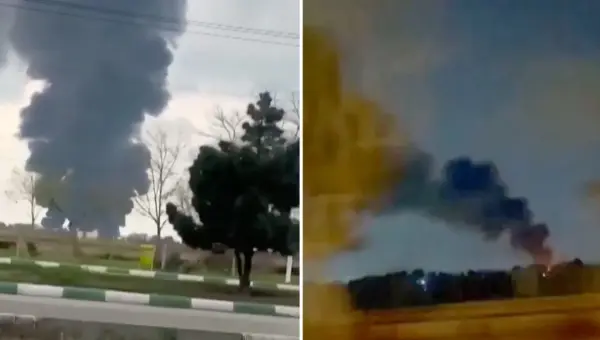
Black smoke was seen near an Iranian airport after reported airstrikes, fueling fears of wider conflict. Israel claims to have hit over 70 Iranian targets, while diplomatic talks appear to be faltering. This escalation marks a dangerous increase in direct confrontation in the Middle East.


US Jet Downed Over Iran: Crew Separation Risks Examined
A U.S. fighter jet downed over Iran prompts a search and rescue mission, highlighting the risks and challenges faced by aircrews. Analysts suggest factors like low altitude and wind may have contributed to the incident, while the vital role of the Space Force in modern military operations is also examined.

Iran’s Strait of Hormuz Threats Offer Chance to Reshape Middle East
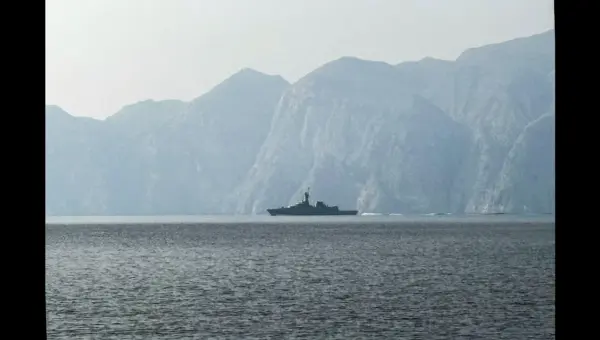
Iran's aggressive tactics in the Strait of Hormuz, while threatening global energy supplies, present a unique opportunity to reshape Middle East dynamics. Analyst David Wormser suggests that new energy routes and strategic island seizures could fundamentally alter regional power structures and trade.