Artemis II Blasts Off: Humanity’s Lunar Leap Renewed
Humanity is returning to the Moon with the Artemis II mission, marking the first crewed journey beyond Earth orbit in over 50 years. The mission aims to set a new distance record and is the first step in NASA's plan for a sustained lunar presence.

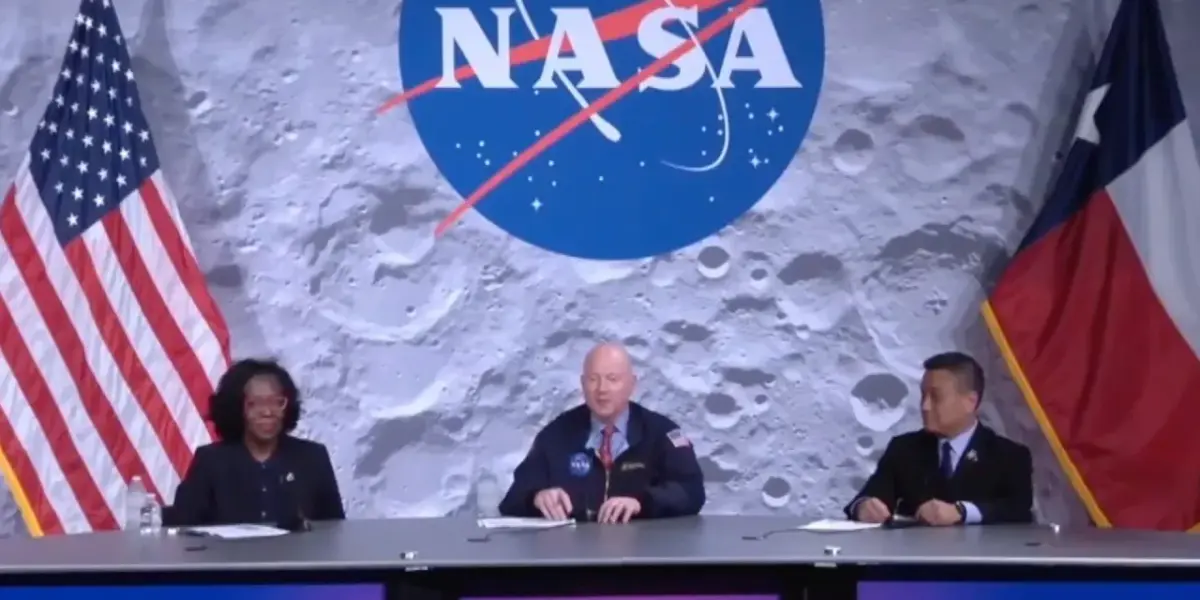
Artemis II Blasts Off: Humanity’s Lunar Leap Renewed
For the first time in over 50 years, humans are on their way back to the Moon. The Artemis II mission launched from Florida on Wednesday evening, carrying four astronauts. They are expected to reach the Moon by Monday, marking a significant moment in space exploration. This journey is not just a trip; it’s the first step in a larger plan to establish a lasting presence on the lunar surface.
A Historic Return
The last time humans ventured to the Moon was in 1972 with the Apollo 17 mission. Now, over five decades later, astronauts are once again heading towards our celestial neighbor. This return signifies a renewed commitment to lunar exploration and scientific discovery. NASA sees this mission as the beginning of an ongoing effort to go back to the Moon and stay there, building the infrastructure needed for future missions.
Setting New Records
Beyond the historical significance, Artemis II is also set to break records. The crew is on track to achieve the furthest distance ever traveled from Earth by a human crew. This milestone is scheduled to occur on Monday as they approach the Moon. The mission aims to test and refine the systems needed for long-duration space travel, pushing the boundaries of what’s possible.
Challenges and Triumphs
The journey hasn’t been entirely without its hiccups. Shortly after liftoff, the crew experienced an issue with the spacecraft’s toilet. While seemingly a minor problem, it highlights the critical importance of every piece of equipment on board a spacecraft. Fortunately, the issue was resolved within a few hours, bringing relief to the mission control and the astronauts. The smooth performance of the rocket’s solid rocket boosters was also a notable success, as reported by NASA.
Building for the Future
NASA officials emphasize that Artemis II is about building a reliable transportation system to the Moon. Successful test flights like this are crucial for ensuring the safety and effectiveness of future missions. The goal is not just to visit the Moon but to create a sustainable pathway for ongoing exploration and potential settlement. This mission is a vital part of that long-term vision.
Looking Ahead
After completing their lunar objectives and setting the new distance record, the Artemis II crew is expected to splash down in the Pacific Ocean on April 10th. The mission’s success will pave the way for future Artemis missions, which aim to land astronauts on the Moon and conduct more extensive research. The journey back to the Moon is a testament to human ingenuity and our enduring desire to explore the unknown.
Why This Matters
Artemis II represents more than just a return to the Moon; it symbolizes a renewed era of human space exploration. After decades of focusing primarily on low Earth orbit, this mission re-establishes our celestial neighbor as a key destination. It’s about learning to live and work in space for longer periods, which is essential for future journeys to Mars and beyond. The technological advancements and operational experience gained from missions like Artemis II will be invaluable for humanity’s expansion into the solar system.
Historical Context
The Apollo program in the 1960s and 70s captivated the world and achieved what many thought impossible. However, after the last lunar landing in 1972, human spaceflight beyond Earth orbit largely ceased. Various factors, including cost and shifting priorities, led to a long hiatus. Now, with Artemis, NASA and its international partners are aiming for a more sustained presence, learning from the past while forging a new path forward.
Implications and Future Outlook
The success of Artemis II will boost confidence and support for further lunar missions, including the eventual landing of astronauts. It also strengthens the case for continued investment in space exploration, both from government agencies and private companies. The data gathered and the technologies tested will inform the design of future spacecraft, habitats, and exploration strategies. This mission is a crucial stepping stone, demonstrating capability and building momentum for a future where humans regularly travel to and operate on the Moon.
Source: Artemis II on Track to Reach the Moon on Monday (YouTube)

Related Articles


Americans Rally Behind Moon Mission, Seek Space Supremacy
Americans are expressing strong support for NASA's Artemis II moon mission, seeing it as a symbol of progress and national pride. The excitement echoes past space race achievements, with many looking forward to new discoveries and even future Mars missions.


Youthful Space Expert Captures Nation’s Attention
A young space enthusiast has captured national attention with his clear explanations of lunar travel. His insights, praised by astronauts, highlight a growing public interest in space exploration. This viral moment could inspire the next generation of scientists.


Artemis II Astronauts Study Radiation’s Effects on Human Body
NASA's Artemis II mission is not only sending astronauts on a lunar flyby but also conducting vital research into the effects of deep space radiation on the human body. Using biological "avatars" derived from astronaut stem cells, scientists aim to gather crucial data for long-duration missions, like those planned for Mars. Stunning images from the mission also offer a new perspective on Earth and inspire future generations in STEM.