China’s Leader Purges Top Officials, Shaking Defense Industry
China's leader Xi Jinping is widening a purge, targeting top officials in the Politburo and shaking the defense industry. This crackdown signals a consolidation of power and could lead to significant changes in military strategy and production.

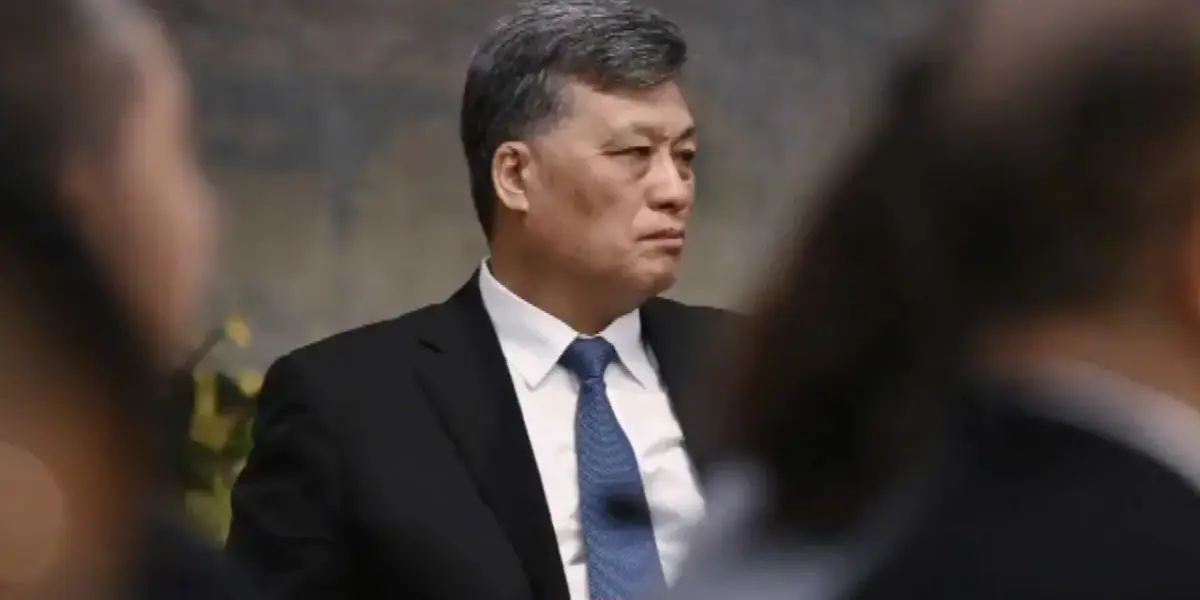
China’s Leader Purges Top Officials, Shaking Defense Industry
Communist China is carrying out a wide-reaching purge, targeting key members of its top decision-making body. The Politburo, which includes the country’s most powerful leaders, has seen several high-profile officials investigated for corruption in recent months. This crackdown signals a significant shift in leadership focus and could shake the foundations of China’s defense industry.
Recently, Beijing announced that Ma Xingrui, the former party head of Xinjiang, is under investigation. This charge usually points to serious corruption. Ma is the third Politburo member to be targeted in the last six months. His investigation has put other Chinese officials on edge, suggesting that no one is considered completely safe within Xi Jinping’s government.
Who is Ma Xingrui?
Ma Xingrui’s career has touched many important parts of China’s government and industry. He has worked in central government bodies, the defense sector, and aerospace programs. He also led the Xinjiang region, a highly controlled area in China. His background makes his purge particularly significant, as it connects the top political circle with critical industries.
A Shakeup in the Top Ranks
The Politburo is China’s highest decision-making committee. It was formed in 2022 with a core group of seven leaders, including Xi Jinping, and 17 additional members. The recent purges mean three members of this elite group have been targeted in just six months. This is the most significant shakeup in decades.
The crackdown has also reached the highest levels of China’s military. Generals Zhang Youxia and He Dong, who were second and third in command, have also been purged. One China affairs scholar noted that this wave of purges marks the beginning of a broader crackdown on the Politburo itself, a body that had largely been untouched by Xi’s previous purges.
Impact on the Defense Industry
Before entering top politics, Ma Xingrui was an expert in China’s aerospace industry. He was involved in major national projects, including satellite development, manned space missions, lunar exploration, and the creation of new rockets. Now, several aerospace officials who once worked under him have also faced corruption investigations. This includes the chief engineer of China’s J-20 fighter jet.
These purges come at a time when reports of Chinese-made weapons failing in countries like Venezuela and Iran have surfaced. Analysts suggest these failures may have led to increased scrutiny of the military industrial sector. Ma’s downfall could be just the start of wider purges across China’s entire military industry, aiming to improve efficiency and address potential weaknesses.
Xinjiang and Broader Crackdowns
Ma also served as the top party official in Xinjiang. This region is home to millions of Uyghurs and is known for strict government control. Rumors of a major purge began circulating late last year after Ma was absent from several important party meetings. His investigation adds to the growing concerns about leadership changes and potential crackdowns in sensitive regions.
Overall, Beijing’s top political circle is experiencing one of the most extensive and intense purges in the history of Communist China. Nearly 70 members of the party’s central committee, about 15% of the group, have now been removed. This widespread action indicates a strong push by Xi Jinping to consolidate power and ensure loyalty throughout the party and its key industries.
Why This Matters
These purges are more than just an anti-corruption campaign; they are a clear signal of Xi Jinping’s determination to solidify his control. By targeting high-ranking officials, including those in the defense and aerospace sectors, Xi is removing potential rivals and ensuring that his policies are followed without question. This consolidation of power could lead to more assertive foreign policy and a greater focus on military modernization.
Implications and Future Outlook
The targeting of the defense industry suggests that Xi Jinping sees weaknesses or potential threats within this critical sector. The reported failures of Chinese weapons could be a catalyst for change, pushing for greater accountability and innovation. This could lead to significant restructuring within the military industrial complex. Furthermore, the broad scope of the purges, affecting the Politburo and the central committee, indicates a desire for absolute loyalty and a less tolerant approach to dissent or perceived incompetence.
Historical Context
Purges have been a tool used by Chinese leaders throughout history to eliminate opposition and assert authority. Mao Zedong’s Cultural Revolution, for example, involved widespread purges that reshaped Chinese society and politics. While Xi Jinping’s current actions are framed as anti-corruption, they echo historical patterns of power consolidation. The Politburo, established in the 1920s, is meant to be the stable core of the Communist Party, and its recent instability is noteworthy.
Looking Ahead
The current wave of purges is likely to continue as Xi Jinping seeks to ensure his vision for China is implemented without challenge. The focus on the defense industry may intensify, potentially leading to new leadership and strategic shifts. The international community will be watching closely to see how these internal changes affect China’s global role and its approach to security and economic development. The message from Beijing is clear: loyalty and effectiveness are paramount, and even the highest ranks are not immune to scrutiny.
Source: China Purge Widens: 3rd Top Official Targeted (YouTube)

Related Articles

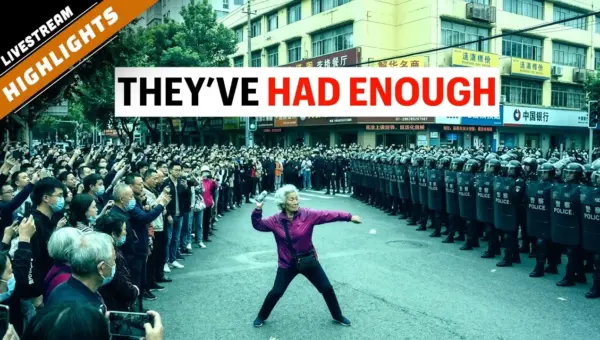
China’s Unrest Grows: Protests Ignite Over Deception and Grievances
Recent weeks have seen a surge in protests across China, fueled by local grievances ranging from land deception to unfair fees. The escalating demonstrations, some featuring direct political challenges to leadership, signal growing public discontent and a potential shift in how citizens voice their anger.

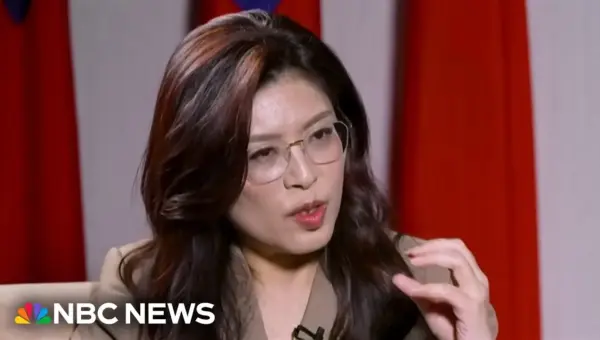
Taiwan Opposition Leader Seeks China Talks Amid US Tensions
Taiwan's opposition leader, Joong Lee Nguyen, is heading to Beijing for talks with President Xi Jinping, aiming to ease tensions ahead of President Trump's visit. Her approach of engaging directly with China aims to prevent conflict, though it faces skepticism both in Taiwan and regarding U.S. support.
China’s Iran Gambit: A Risky Game of Two Faces
China's public calls for peace in the Iran conflict mask a private strategy of buying discounted oil, reports suggest. This "double game" now risks China's economy through rising oil prices and supply chain stress, potentially costing billions.