Iran Operation: US Must Finish Mission for Freedom
U.S. military operations in Iran, dubbed "Operation Epic Fury," are viewed by some as a humanitarian intervention to support the Iranian people. Experts suggest the mission must continue to ensure global safety and allow for the will of the Iranian people to be met.

Iran Operation: US Must Finish Mission for Freedom
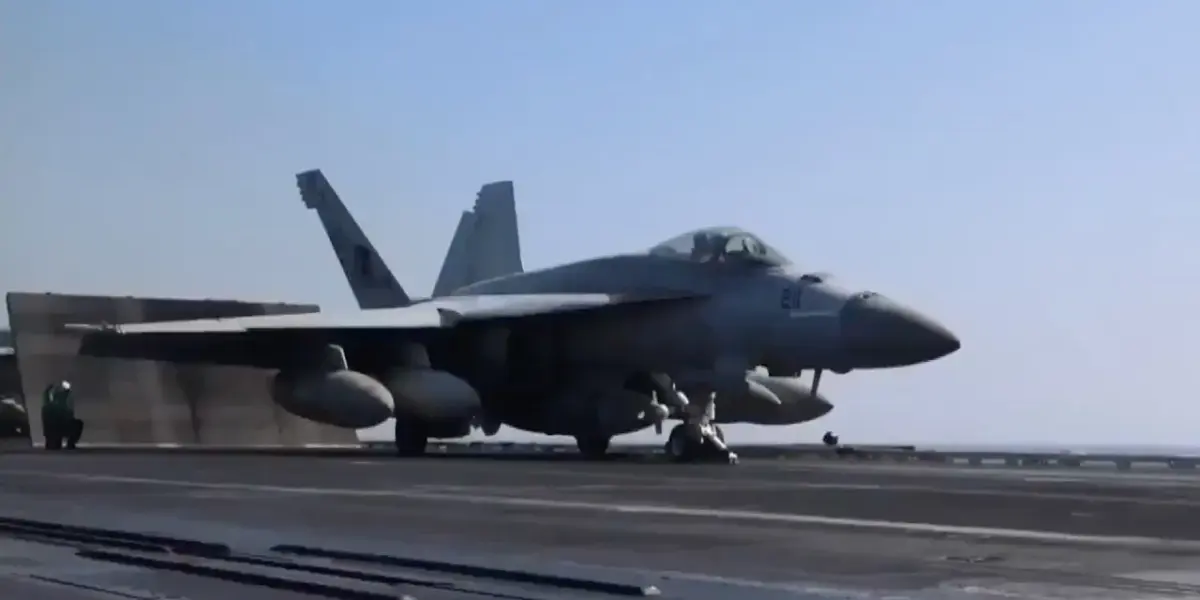
The United States has launched a significant military operation in Iran, dubbed “Operation Epic Fury.” While the stated goal is not outright regime change, the actions taken are seen by some as a humanitarian intervention aimed at supporting the Iranian people. The operation has involved extensive military actions, including over 13,000 combat flights, with the aim of dismantling Iran’s military capabilities and ability to threaten other nations.
A Humanitarian Intervention?
One perspective shared by an Iranian exile is that this operation is not merely a military act but a humanitarian intervention and a rescue mission. This view suggests that the actions are intended to help the people of Iran move in a new direction. However, the question remains whether meaningful regime change is truly possible and if the current strikes are enough to achieve it.
The Snake’s Heads: A Persistent Regime
Some analysts believe the operation is far from over. They argue that simply replacing one leader with another within the current system does not constitute true regime change. The idea is that the underlying structure of the regime remains, with new leaders being just another “head of the same snake” or “dragon.” To achieve the will of the Iranian people and ensure global safety, they suggest the U.S. may need to “go the distance” and continue its mission.
“I think we’re going to have to unfortunately go the distance here to get the will of the people in Iran met uh to what they need to keep the rest of the world safe.”
Resistance Within Iran
Despite significant efforts by the Iranian regime to suppress opposition, with estimates of around 40,000 strong voices silenced before Operation Epic Fury, there is still hope for internal resistance. Experts point to organized groups within Iran, including ethnic minorities like the Baluchi, Turkmen, Azeris, Kurds, and Arabs, as well as the Mujahideen, who have been actively fighting the regime for years. These forces, supported by operations like “Epic Fury” and Israel’s “Roaring Lion,” are seen as crucial in helping the Iranian people rid their country of the current regime.
Technological Superiority and Air Dominance
The operation has highlighted the overwhelming technological superiority of U.S. and Israeli forces, particularly in air power. While a U.S. fighter jet was reportedly shot down, this is seen as an isolated incident within a mission of massive scale. The ability to conduct successful rescue missions, even in challenging conditions, demonstrates continued air superiority. Experts note that this collaboration between the U.S. and Israeli air forces is a significant development, coordinating on the fly to maintain dominance over Iranian skies.
Lessons for Global Powers
The effectiveness of U.S. and Israeli technology against Iranian air defenses, which are equipped with Chinese and Russian technology, offers a clear message. It suggests that the military hardware supplied by China and Russia may not measure up to the advanced capabilities of Western powers. This serves as a lesson, particularly for China, indicating that their current military technology is not as formidable as perceived.
Comparing Operations: Speed and Efficiency
There has been discussion comparing Operation Epic Fury to previous long-term conflicts like those in Iraq and Afghanistan. Supporters of the current operation emphasize its speed and efficiency, noting that significant damage has been inflicted on Iran’s military in a matter of weeks, contrasting sharply with the years-long engagement in other conflicts. This is attributed to different leadership and a more decisive approach, avoiding the protracted engagements that some argue were unnecessary and costly in lives and resources.
“We are in this military operation so powerful, so brilliant against one of the most powerful countries for 32 days. And the country has been eviscerated and essentially is really no longer a threat.”
Why This Matters
The ongoing military operations in Iran carry significant weight for both the Iranian people and global security. If successful, these actions could pave the way for self-determination within Iran and reduce the threat posed by a regime that has been a destabilizing force in the region. The operation also serves as a demonstration of military capability and technological prowess, with implications for international relations and arms proliferation. The focus on supporting internal resistance suggests a strategy that aims for a more sustainable and internally driven change, rather than solely relying on external intervention.
Future Outlook
The “go the distance” sentiment suggests that the current operations are part of a longer-term strategy. The emphasis on enabling the Iranian people and their organized resistance forces indicates a belief that lasting change must come from within. The success of ongoing rescue missions and the continued assertion of air superiority suggest that the U.S. and its allies are committed to achieving their objectives. The effectiveness of this approach will likely influence future military interventions and U.S. foreign policy in volatile regions.
Source: US Will Have to Go the Distance for Iranians and for the Safety of the World: Panel (YouTube)

Related Articles
US Jet Downed Over Iran: Crew Separation Risks Examined
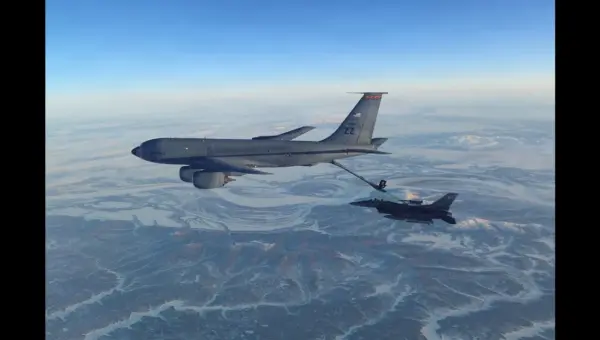
A U.S. fighter jet downed over Iran prompts a search and rescue mission, highlighting the risks and challenges faced by aircrews. Analysts suggest factors like low altitude and wind may have contributed to the incident, while the vital role of the Space Force in modern military operations is also examined.
Iran’s Strait of Hormuz Threats Offer Chance to Reshape Middle East
Iran's aggressive tactics in the Strait of Hormuz, while threatening global energy supplies, present a unique opportunity to reshape Middle East dynamics. Analyst David Wormser suggests that new energy routes and strategic island seizures could fundamentally alter regional power structures and trade.


US Pilot Missing After Jets Downed in Middle East
A U.S. pilot is missing after two American warplanes were shot down over the Middle East, with Iran claiming responsibility for one incident. The downed aircraft and ongoing search operation occur amid scrutiny of President Trump's strategy and response, as concerns mount over Iran's resilience and potential economic motivations behind the conflict.