China Wages ‘Unrestricted War’ on America, Author Claims
Author Casey Fleming claims China is waging a non-military "unrestricted war" on America using methods like drug trafficking, biological threats, and social media manipulation. He urges Americans to become informed and unite to counter these attacks.


China Wages ‘Unrestricted War’ on America, Author Claims
A new book, The Red Tsunami, argues that China is waging a multi-faceted, non-military war against the United States. Author Casey Fleming, CEO of Black Ops Partners Corporation, believes this conflict is unlike traditional warfare and directly targets every American.
Redefining Warfare
Fleming explains that China observed the U.S. military’s power during Desert Storm and realized it couldn’t compete directly. Instead, they developed a strategy called “unrestricted warfare,” outlined in a 1999 book by two Chinese colonels. This approach aims to weaken the U.S. from within, without direct military confrontation. The goal is to make Americans damage themselves, with China merely helping the process along.
This “unrestricted war” targets every man, woman, and child, meaning civilians are on the front lines. Most people, Fleming suggests, don’t even realize they are under attack. He points to events like the COVID-19 pandemic as an example, where many felt a sense of unease and a lack of clear truth about what was happening.
Methods of Attack
Fleming identifies several key methods China allegedly uses in this unrestricted war:
- Biological Warfare: The pandemic is cited as a prime example, with Fleming suggesting China is already working on subsequent viruses. He raises concerns about nanoparticles being spread via drones at public events.
- Drug Warfare: Wuhan, China, is described as the illicit capital for fentanyl. Fleming claims China ships fentanyl and precursor chemicals for other drugs to Mexico, where cartels use them for distribution. He states the official death toll from fentanyl is underestimated, suggesting it causes around 150,000 deaths annually among young adults, a number not seen since World War II. He also notes that fentanyl is becoming much more potent, making overdose reversals extremely difficult.
- Agricultural Warfare: The book alleges that Chinese Communist Party (CCP)-owned farms are growing marijuana laced with harmful chemicals. Fleming claims thousands of such farms exist in states like Oklahoma and Maine, and along the West Coast, leading to young people experiencing severe psychosis.
- Cognitive Warfare: Social media platforms like TikTok are identified as tools of cognitive warfare. Fleming calls TikTok a “weaponized military application” and a “Trojan horse” designed to influence American children. He argues that despite ownership changes, the CCP still influences the company and its algorithms.
Plausible Deniability
Fleming highlights that China is skilled at creating distance, allowing for “plausible deniability.” This makes it difficult to present a clear, tangible connection between their actions and the harm caused, such as with fentanyl or TikTok. He stresses the need for Americans to understand the personal and urgent nature of these threats.
The Call to Action
Fleming wrote The Red Tsunami because he felt no one else was telling the truth about this conflict. He believes the enemy does not want Americans to become informed, unite, or take action. His book aims to combat this by providing information.
The reason I wrote the book is because your enemy doesn’t want three things to happen. They don’t want you to become informed. … The second thing is they don’t want you to unite. And the third thing is if you unite and are knowledgeable, they don’t want you to take action.
He also points to a movement called “Freedom Forever Global” as a way for people to unify and take action. Fleming believes the U.S. government’s past policies have contributed to the current situation, and ultimately, individuals must take responsibility for their own awareness and actions.
Why This Matters
Fleming’s core message is that the U.S. is under a sustained, non-traditional attack that impacts every aspect of American life, from public health to mental well-being and societal values. By framing these issues as part of a deliberate, strategic effort by China, he urges citizens to recognize the severity and urgency of the situation. This perspective challenges conventional views of international relations and warfare, suggesting that the battlefield has expanded into civilian life, homes, and minds.
Implications and Future Outlook
If Fleming’s analysis holds true, the implications are vast. It suggests a need for a fundamental shift in how national security is understood and addressed, moving beyond military might to include defenses against biological, informational, and economic warfare. The author’s call for unity and action implies that public awareness and grassroots movements could play a crucial role in countering these threats. The future outlook, according to Fleming, depends heavily on the American public becoming informed and actively engaging to protect their society and values.
Historical Context
The concept of “unrestricted warfare” has roots in strategic thinking that predates China’s modern economic rise. However, the 1999 book by Qiao Liang and Wang Xiangsui is credited with formalizing this idea within China’s military doctrine. It draws on historical examples of asymmetric warfare and statecraft, adapting them to the modern era of globalization and advanced technology. The current discussion echoes concerns about foreign influence and interference that have been present throughout U.S. history, but Fleming frames it as a direct, ongoing war aimed at societal destabilization.
The book The Red Tsunami is available online through major retailers like Amazon and Barnes & Noble.
Source: Fentanyl Deaths in US Equivalent to Two 737S of People Going Down Every Day: Author (YouTube)

Related Articles
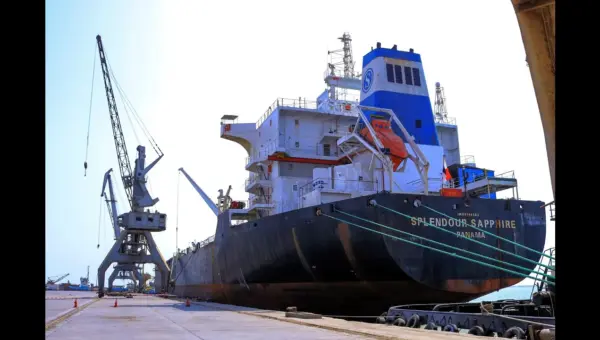
China’s Panama Canal Ports Move Sparks Trade War Fears
China's detention of Panama-flagged ships escalates a dispute over control of Panama Canal ports. US officials condemn the move as economic bullying, warning of disruptions to global trade and rising costs.
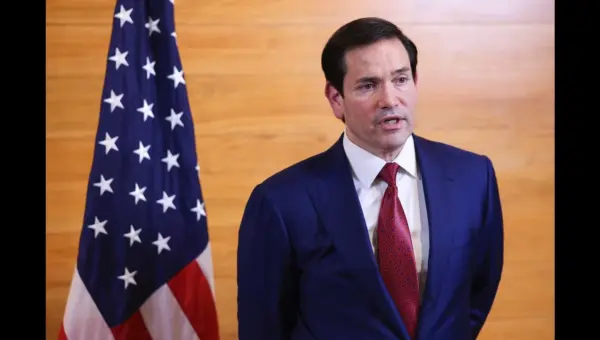
China’s Port Power Play Threatens Global Trade Routes
Senator Marco Rubio is condemning China's alleged detention of Panama-flagged vessels, calling it 'bullying' that destabilizes global supply chains. The dispute follows Panama's decision to regain control of two key ports from a Chinese-linked company, raising concerns about China's economic influence over vital trade routes.


NYC Mayor Embraces TikTok, Ignites Security Debate
New York City is reversing its ban on TikTok for government devices, aiming to better connect with citizens. However, security concerns from the FBI and Cyber Command persist regarding data privacy and potential Chinese government influence. This decision highlights the ongoing global debate over technology, security, and international relations.