NYC Mayor Embraces TikTok, Ignites Security Debate
New York City is reversing its ban on TikTok for government devices, aiming to better connect with citizens. However, security concerns from the FBI and Cyber Command persist regarding data privacy and potential Chinese government influence. This decision highlights the ongoing global debate over technology, security, and international relations.

NYC Mayor Embraces TikTok, Ignites Security Debate
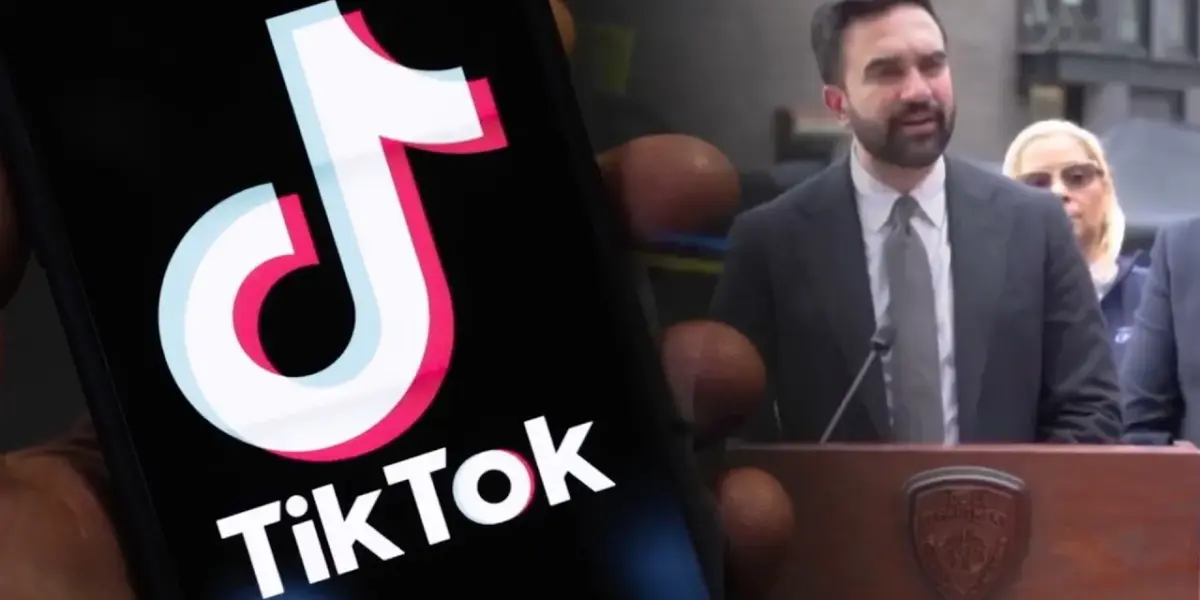
New York City Mayor Eric Adams has decided to bring TikTok back to city government devices. This move reverses a ban put in place last year due to national security worries. The decision comes at a time when the FBI is also warning people about the risks of apps from China.
A Shift in Policy, Lingering Doubts
On March 31st, Mayor Adams announced that city officials would once again be allowed to use TikTok. He explained that specific rules would be followed. Only authorized users could use the app on city devices, and these devices would need to be separate from those used for sensitive information or internal city business. This is a change from the previous ban, which was based on concerns about data privacy and potential Chinese government influence.
The Mayor pointed out that TikTok’s ownership has changed since the ban. He also noted that the federal government itself now uses the platform. “Our goal is to communicate with as many New Yorkers as possible,” Adams stated. “This is one way that many New Yorkers are engaging with the world around them.”
Security Measures and Underlying Concerns
Despite the Mayor’s optimism, New York City Cyber Command still has security questions. They are requiring that any city device used for TikTok be a separate device. This device cannot hold confidential data and should not be used for email or other important city systems. Specific employees will be chosen to use the app.
While TikTok has moved its data to American servers, which reduces some risks, a key concern remains. TikTok’s owner, ByteDance, still controls the app’s algorithm. Experts believe the underlying code of the app could still allow for control over various functions. This is a worry because China has an authoritarian government, and some fear its digital practices could impact democratic ideas and government structures elsewhere.
There’s also the issue of data ownership. China is known for its strict rules about where data is stored. This means it might be unclear who truly owns the data collected from city government communications on TikTok, unlike with Western social media platforms.
Broader Warnings on Data Risks
The FBI also issued a warning on the same day. They stated that even if you don’t download a Chinese app yourself, someone else doing so can still put your personal information at risk. With default settings, these apps can collect and store private data. This can include names, email addresses, phone numbers, and even contact lists from your device. This permission can give apps access to the personal details of both users and their contacts.
Global Implications and Future Outlook
Experts in Chinese technology and investment highlight that China is actively spreading its technologies worldwide. This is often seen in developing countries, where it can increase China’s influence. The decision by New York City, a major global hub, to embrace TikTok could unintentionally set an example for other regions. This could encourage the use of Chinese apps in new parts of the world, potentially tied to telecommunications infrastructure and security programs.
The actions taken in New York will likely be watched closely not just in the US, but globally. This scrutiny extends to how these technologies are introduced and how they might affect perceived development needs in other nations.
Government Crackdown Continues
This debate about Chinese technology and security is happening alongside broader government actions. Recently, the Federal Communications Commission proposed banning the import of electronic equipment from several Chinese companies. This follows an earlier decision in 2022 to stop approving new models of Chinese-made gear. These moves show Washington’s ongoing effort to control the use of Chinese-made electronics.
Why This Matters
The decision by New York City to allow TikTok on government devices highlights a difficult balance. On one hand, officials want to connect with citizens using popular platforms. On the other hand, serious security concerns about data privacy and foreign influence remain. This situation raises important questions about how governments should handle technology from countries with different political systems and data protection standards. It also shows how global politics and technology are deeply intertwined, affecting everything from local communication strategies to international relations.
Historical Context
Concerns about Chinese technology are not new. For years, governments and security experts have warned about potential risks. These include data collection, espionage, and the spread of influence. The ban on TikTok in 2023 by New York City was part of a larger trend of governments questioning the security of apps developed in China. Previous actions by the US government have also targeted Chinese tech companies, citing national security risks.
Trends and Future Outlook
The trend suggests a continued tension between the desire for digital connection and the need for security. As technology evolves, so do the methods of data collection and potential threats. Governments will likely continue to grapple with how to regulate or restrict foreign-made technology, especially in sensitive areas like government communications. The global nature of these platforms means that decisions made by one city or country can have ripple effects worldwide, influencing international policy and technological development for years to come.
Source: NYC Mayor Reverses TikTok Ban Despite Security Concerns (YouTube)

Related Articles
Trump Seeks Massive Defense Boost, Cuts ‘Woke’ Programs
President Trump's 2027 budget proposal calls for a significant increase in defense spending, aiming for $1.5 trillion. To offset this, the plan includes cuts to non-defense programs labeled as "woke" or "wasteful." The budget also prioritizes funding for law enforcement to combat violent crime.


Elite Scientists Vanish: A Disturbing Pattern Emerges
A series of perplexing disappearances involving highly skilled scientists working for the U.S. government and military is raising serious questions. Friends and colleagues are stunned and searching for answers as a troubling pattern of vanishing experts emerges.


US Military Risks All for Downed Pilot
American air crews fly into dangerous enemy territory knowing the entire U.S. military will work tirelessly to bring them home if shot down. This commitment highlights extreme risks and historical parallels, showcasing the nation's dedication to its service members.