Iran Downs US F-15; Pilot Missing in Action
An F-15 fighter jet crashed over Iran, with the pilot missing. This incident highlights the ongoing risks to U.S. airpower and raises concerns about political fallout and potential adjustments to military strategy in the region.

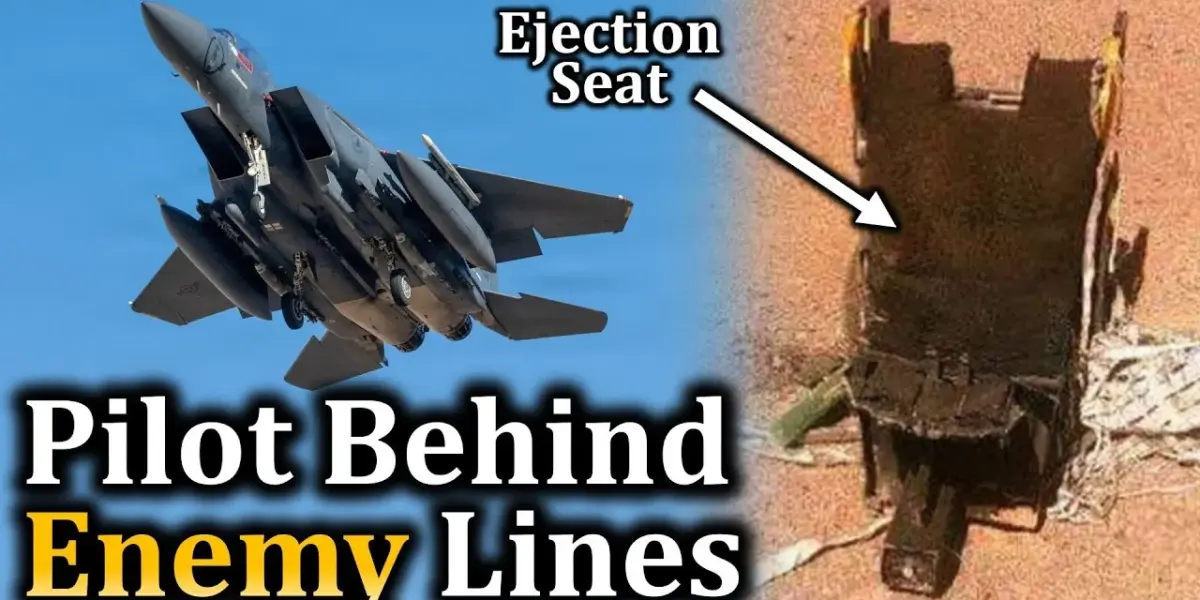
Iran Downs US F-15; Pilot Missing in Action
An F-15 fighter jet crashed over Iran, near Kharg Island, with the Iranian government claiming it was shot down. Both crew members ejected. One pilot was quickly recovered by U.S. search and rescue teams, but the second pilot remains missing at the time of this report. This incident highlights the persistent risks faced by U.S. airpower even in an era of technological dominance.
A Recurring Aerial Threat
The downing of the F-15 underscores a recurring challenge for modern air forces: no aircraft is truly invincible. While the United States possesses unparalleled air superiority, this does not guarantee immunity from enemy action. Historical examples illustrate this point. During Operation Desert Storm in 1991, Iraqi forces reportedly downed nearly 30 fixed-wing aircraft, many of them A-10 Warthogs. Although that conflict also saw the U.S. transition to high-tech air warfare, it demonstrated that even advanced forces can suffer losses.
A closer parallel to the current situation can be drawn from the Bosnian War. In that conflict, Captain Scott O’Grady, flying an F-16, was shot down and had to evade enemy forces for six days before being rescued. Later, during the Kosovo War, two aircraft were lost: an F-117 Nighthawk stealth fighter and another aircraft flown by David Goldfein, who would go on to become Chief of Staff of the U.S. Air Force.
The wars in Afghanistan and Iraq saw fewer such incidents. An A-10 Warthog was downed in Iraq in 2003, and while the Taliban claimed various strikes in Afghanistan, none were officially confirmed. More recently, friendly fire incidents involving Kuwaiti forces resulted in the loss of three F-15s on March 2nd, but these did not pose the risk of pilots landing in enemy territory.
Reports indicate Iran has struck U.S. MQ-9 Reaper drones, which are unmanned. However, the situation became more serious on March 9th when Iran reportedly hit an F-35 stealth fighter. Fortunately, the pilot managed to return the damaged aircraft to a friendly base. This incident, along with the recent F-15 downing, serves as a reminder that air dominance does not equate to absolute control of the skies.
Political Fallout and Public Perception
The potential capture of a downed U.S. pilot by Iran presents significant political challenges. The prospect of a captured aviator or the mishandling of a deceased pilot’s remains could generate severe negative optics for the U.S. administration. Such images, if they proliferate on social media, could inflame public opinion and potentially impact support for the ongoing military campaign. This echoes concerns from past conflicts, such as the “Black Hawk Down” incident in Somalia in 1993, where the fate of U.S. personnel had a profound effect on public perception and political resolve.
The current political climate in the United States, marked by deep polarization, adds another layer of complexity. While Democratic support for the war may already be low, public reaction among independents and Republicans remains a key question. The administration’s handling of such a crisis could influence broader political support, particularly among different factions of the Republican base.
Strategic Implications and Military Adjustments
The downing of the F-15 and the ongoing risks to U.S. aircraft may lead to adjustments in military strategy. While air strikes are expected to continue, there could be an increased focus on identifying and neutralizing Iranian anti-aircraft systems. This might delay strikes on other high-value targets. The incident also raises questions about the long-term trajectory of the aerial campaign, particularly if Iran can sustain its ability to challenge U.S. airpower.
In response to these threats, several strategic options are being considered. One possibility is a return to earlier tactics, such as increased use of Tomahawk cruise missiles. These weapons are launched from a safe distance, minimizing risk to U.S. personnel. However, relying heavily on Tomahawks would further deplete existing stockpiles. Another, less drastic, adjustment might involve reducing missions for aircraft like the A-10 Warthog along the Iranian coast, where their durability may not be enough to counter advanced air defenses.
A medium-term adjustment could involve reconsidering the mix of aircraft used over Iran. The F-15, unlike the stealthier F-35, is more vulnerable to detection and engagement. While the F-15 carries a larger payload, the increased risk might necessitate temporarily withdrawing these aircraft or conducting further preparatory strikes to degrade enemy air defenses before resuming full operations.
The broader geopolitical context, including China’s role in supplying Iran with defensive systems, remains a factor. U.S. military operations in the region also serve as a strategic signal regarding U.S. commitment and capabilities, particularly in relation to potential flashpoints like Taiwan. The ability of the U.S. to maintain air superiority in Iran, despite challenges, demonstrates a capacity that could be relevant in other theaters.
Conclusion
The downing of the F-15 and the disappearance of its pilot represent a significant development. While the U.S. military will likely make only minor tactical modifications unless Iran demonstrates a sustained capability to inflict losses, the political and strategic implications are considerable. The incident underscores the inherent risks of aerial warfare and the importance of carefully managing public perception and political fallout, even as military objectives are pursued.
Source: F-15 Downed in Iran: How Bad Is It Really? (YouTube)

Related Articles
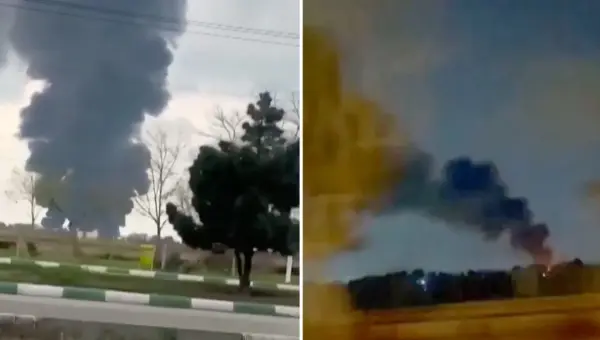
Israel Strikes Iran: Escalation Ignites Mideast Tensions
Black smoke was seen near an Iranian airport after reported airstrikes, fueling fears of wider conflict. Israel claims to have hit over 70 Iranian targets, while diplomatic talks appear to be faltering. This escalation marks a dangerous increase in direct confrontation in the Middle East.
US Jet Downed Over Iran: Crew Separation Risks Examined
A U.S. fighter jet downed over Iran prompts a search and rescue mission, highlighting the risks and challenges faced by aircrews. Analysts suggest factors like low altitude and wind may have contributed to the incident, while the vital role of the Space Force in modern military operations is also examined.
Iran’s Strait of Hormuz Threats Offer Chance to Reshape Middle East
Iran's aggressive tactics in the Strait of Hormuz, while threatening global energy supplies, present a unique opportunity to reshape Middle East dynamics. Analyst David Wormser suggests that new energy routes and strategic island seizures could fundamentally alter regional power structures and trade.