UNESCO Warns of ‘Priceless’ Iranian Heritage Damaged in Conflict
UNESCO has warned that Iran's "priceless" historical and cultural sites are suffering damage amidst ongoing conflict. Palaces and mosques, some dating back 2,000 years, have been reduced to rubble, raising global concerns. The agency calls for maximum restraint to protect cultural heritage, citing collateral damage from military operations.

World Heritage Sites Under Threat as Conflict Escalates
UNESCO, the United Nations agency for education, science, and culture, has issued a stark warning regarding the damage to Iran’s invaluable historical and cultural sites amidst ongoing conflict. The agency reports that centuries-old palaces, mosques, and other significant landmarks are suffering destruction, raising alarms about the loss of irreplaceable global heritage. The conflict, now entering its second month, has seen oil prices surge and maritime trade severely disrupted in the Strait of Hormuz, while also exacting a heavy toll on Iran’s rich historical legacy.
Iconic Landmarks Reduced to Rubble
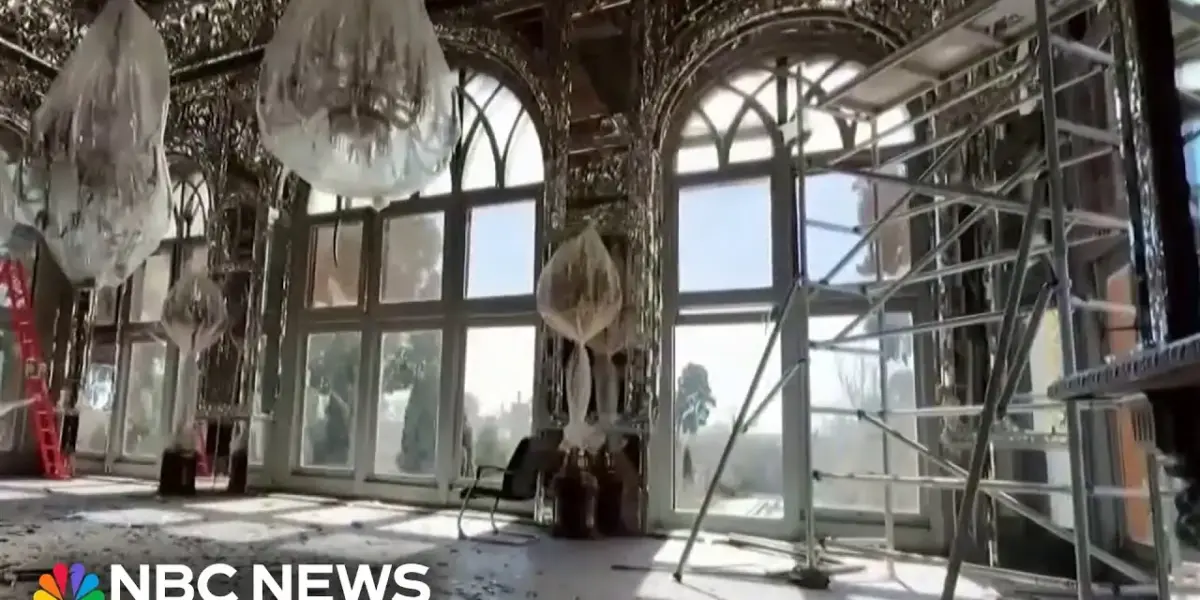
Images emerging from Iran reveal scenes of devastation, with historic squares littered with debris and treasured buildings in ruins. The Golestan Palace in Tehran, often called the ‘Versailles of Persia’ and designated a UNESCO World Heritage site, has reportedly suffered shattered windows in its Hall of Antique Mirrors. In Isfahan, another major city, videos show extensive damage to iconic palaces, including broken windows, crumbling ceilings, and cracked murals. These sites, which have withstood wars, invasions, and revolutions for centuries, are now succumbing to the ravaces of modern warfare.
“Several sites across the region are under threat, including damages reported in Israel and Lebanon,” stated UNESCO, emphasizing the widespread danger to cultural assets. The agency has called for maximum restraint to protect education, culture, media, science, and the environment during hostilities.
Collateral Damage: A Growing Concern
UNESCO attributes the destruction to collateral damage resulting from military operations. The agency’s warning highlights that even precision strikes in modern conflicts can inadvertently turn cultural treasures into rubble. This concern is echoed by reports of damage in other nations affected by the conflict, including Israel and Lebanon. The U.S. State Department has stated that its actions are aimed at military and strategic targets, not the Iranian people or their cultural heritage. However, the reality on the ground suggests a different outcome for sites that have survived for millennia.
Historical Precedents for Cultural Protection
The current situation prompts reflection on past efforts to safeguard cultural heritage during wartime. During World War II, the White House and military experts organized efforts to protect Italy’s cultural treasures, even arranging for experts to avoid combat zones in Florence. Following the war, U.S. General Lucius Clay oversaw the restoration and return of Nazi-looted artwork to Germany. These actions underscore a historical commitment to preserving cultural heritage, even amidst global conflict. In 1954, the U.S. and other nations signed a treaty obligating them to protect cultural property during armed conflict.
Modern Warfare’s Impact on Ancient Sites
Despite international treaties and historical precedents, modern warfare presents unique challenges. The scale and intensity of bombings, even those described as precision strikes, can lead to widespread destruction. The case of Syria, where the ancient city of Palmyra was ravaged in 2015 by ISIS, serves as a grim reminder of how cultural heritage can be deliberately targeted or accidentally destroyed. The deliberate targeting of Palmyra’s first-century AD theaters, sanctuaries, and temples by ISIS resulted in the loss of unique historical vestiges. The current conflict with Iran, though still in its early stages, already shows the potential for significant cultural losses.
Looking Ahead: The Future of Iran’s Heritage
As the conflict continues, the focus remains on the immediate human toll and the long-term consequences for Iran’s cultural identity. The destruction of these ‘priceless’ sites represents not only a loss for Iran but for the entire world. International bodies like UNESCO will likely continue to monitor the situation closely and advocate for the protection of cultural heritage. The coming weeks and months will be critical in determining the extent of the damage and the possibility of any future restoration efforts, highlighting the urgent need for de-escalation and adherence to international cultural protection laws.
Source: UNESCO warns of damage to ‘priceless’ Iranian heritage sites (YouTube)

Related Articles


Russia Strikes Heritage Site; War Looms
Russian forces reportedly struck a UNESCO heritage site in Liv, adding to escalating tensions. Meanwhile, Ukraine's President Zelenskyy may be preparing for a prolonged conflict. Propaganda efforts highlight decorated soldiers, while their real battlefield roles and post-service integration are scrutinized.

Iran’s Historic Golestan Palace Damaged in Reported Air Strikes
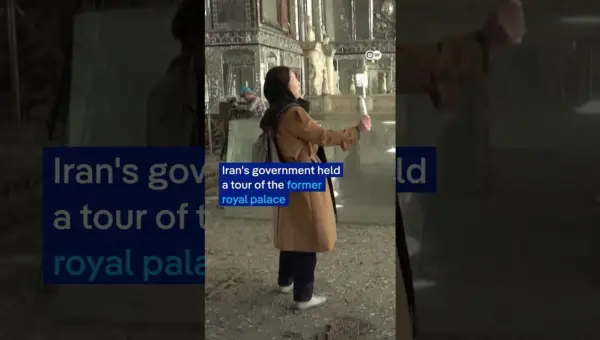
Iran's historic Golestan Palace, a UNESCO World Heritage site, has reportedly suffered damage to its windows, mirrors, and doors due to reverberations from alleged US-Israeli air strikes in central Tehran. The incident highlights the vulnerability of cultural landmarks amidst escalating regional conflicts.


Resume ‘Botox’: Older Women Fight Age Bias in Job Market
Older women are increasingly facing age discrimination in the job market, leading some to remove years of experience from their resumes in a practice dubbed 'resume Botox.' The rise of AI in hiring processes is exacerbating the issue, as algorithms may unfairly filter out older candidates. This comes at a time when the job market itself is struggling, making it harder for experienced professionals to find employment.