Jobs Surge in March, But Inflation Fears Loom Large
The U.S. economy added a robust 178,000 jobs in March, significantly exceeding expectations and signaling a strong rebound in hiring. However, this positive news is tempered by concerns over rising inflation and the economic impact of ongoing geopolitical conflicts, which could affect future job growth and consumer spending.

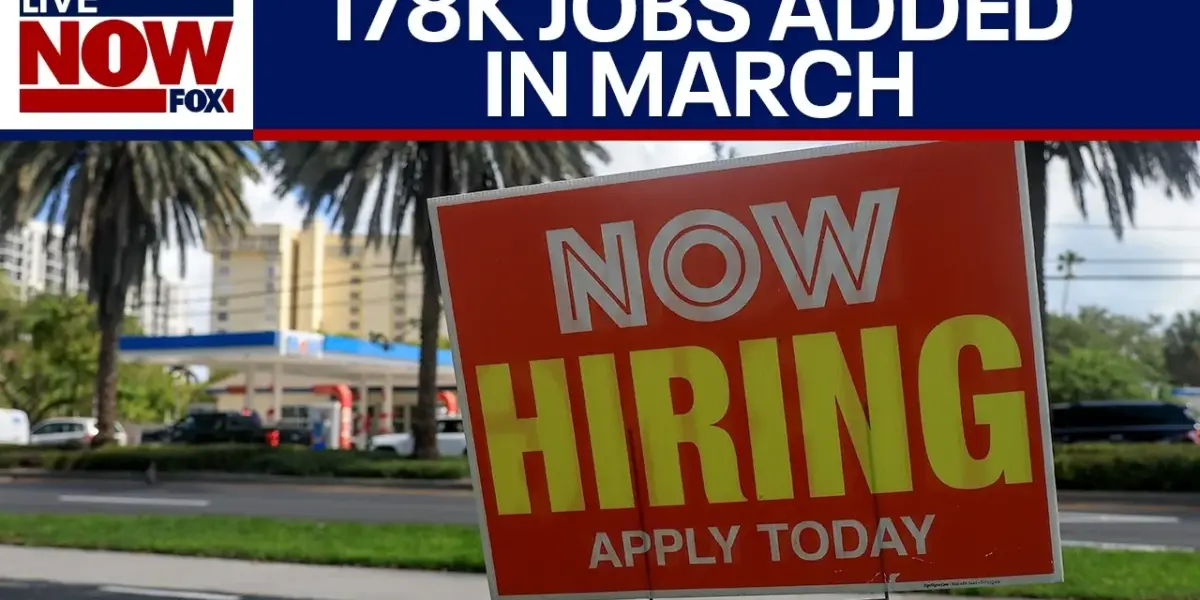
Jobs Boom in March Exceeds Expectations
The United States saw a significant surge in job creation in March, adding 178,000 new positions and far surpassing economists’ predictions. This marks a strong rebound after February saw a dip of over 130,000 jobs. The White House has pointed to these figures as evidence that current trade and labor policies are proving effective.
Key Sectors Drive Job Growth
Several key industries contributed to the impressive job numbers. Manufacturing saw an increase of 15,000 jobs, while the construction sector added 26,000 positions. The largest gains were in healthcare, which reported over 75,000 new jobs. Notably, about 30,000 of these healthcare positions were filled by workers rehired after a strike in California concluded.
Labor Force Participation Declines
Despite the strong job growth, the number of people actively looking for work dropped by nearly 400,000. This led to a decrease in the labor force participation rate, which fell to 61.9%. This is the lowest rate recorded since November 2021. The Trump administration, however, expressed confidence that rising wages would encourage more people to seek employment, citing wage growth that is currently outpacing inflation.
Economic Outlook Clouded by Geopolitical Tensions
The positive jobs report comes at a time of growing economic uncertainty, largely driven by the ongoing conflict in Iran and its impact on global oil prices. While most companies appear to be unaffected by the conflict so far, experts warn that sustained fighting could harm the economy. Gas prices have risen significantly, with the national average now exceeding $4 a gallon. This increase in fuel costs could lead to higher prices for consumer goods, reducing people’s spending power.
“The prices go up, people have to pay more for regular things like gasoline and food, and then they have less money to spend on… disposable income… And so they cut back their spending. And businesses… there’s a fear that businesses are going to be really sensitive to that. And as soon if people really pull back from spending, then businesses are going to let workers go.”
Inflation Concerns Grow
Economists are closely watching upcoming Consumer Price Index (CPI) data, expected next week. Forecasters anticipate a significant jump in headline inflation, potentially reaching 1% for the month, a sharp increase from the typical 0.2% to 0.3% monthly gains. While some believe this spike will be temporary, the Federal Reserve has been concerned about inflation remaining above its target for an extended period. Persistent high inflation can be difficult to control without negatively impacting economic growth.
Market Reacts to Data and Uncertainty
The market’s reaction to the jobs report was mixed, with some analysts suggesting the data might be backward-looking. The numbers were collected shortly after the conflict in Iran began, when gas prices were lower. Many economists are waiting for April, May, and June data to get a clearer picture of the economy’s true trajectory. The ongoing geopolitical situation and rising oil prices have created significant division among experts regarding the economy’s future performance.
Supply Chain Disruptions Pose Future Risk
Even if the conflict in Iran ends soon, experts believe the economic repercussions could linger. The disruption to oil supply chains, including the displacement of oil tankers, means that restoring normal operations could take months. This could lead to further snarling of supply chains, making a quick economic recovery unlikely even after the immediate crisis subsides.
Looking Ahead
While the March jobs report offers a positive snapshot of the economy, the rising cost of living and global instability present significant challenges. All eyes will be on future economic data, particularly inflation figures and subsequent jobs reports, to determine if the economy can maintain its momentum or if it will face a slowdown due to these persistent pressures.
Source: U.S. added 178K jobs in March, exceeding expectations (YouTube)

Related Articles


Walmart’s Stock Surge Signals Looming Recession Threat
An unusual economic indicator, the Walmart Recession Signal, is flashing a warning. When Walmart's stock rises and luxury goods stocks fall, it has accurately predicted the last three U.S. recessions. This pattern is happening now, suggesting potential economic trouble ahead.


US Jet Downed Near Iran; Pentagon Eyes $1.5 Trillion Budget
A U.S. fighter jet was downed near Iran, leading to search efforts and strong presidential warnings. Meanwhile, the Pentagon is proposing a historic $1.5 trillion defense budget for 2027. The U.S. economy showed strength with a robust March jobs report, but a DHS shutdown continues.


Jobs Surge, Wages Climb: Economy Defies Expectations
The U.S. economy added a surprising 178,000 jobs in March, significantly exceeding expectations. Average wages also climbed 3.5% year-over-year, outpacing inflation. This strong economic data raises questions about the Federal Reserve's ability to cut interest rates this year.