China Fuels Fentanyl Crisis, A New Form of Warfare
A senior fellow argues China is engaging in chemical warfare by supplying precursor chemicals for fentanyl, leading to mass death among American youth. Despite diplomatic efforts and tariffs, the flow of these deadly substances continues, highlighting a new, complex geopolitical challenge.

China Fuels Fentanyl Crisis, A New Form of Warfare
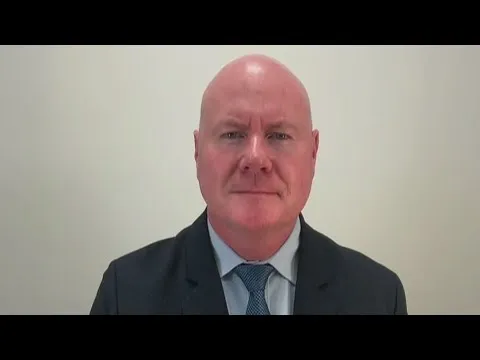
The United States faces a growing crisis driven by deadly synthetic drugs, particularly fentanyl. A senior fellow at The Heritage Foundation, Steve Yates, argues this is not just a criminal issue but a deliberate act of chemical warfare by China against America’s youth. Yates’s own daughter died from fentanyl poisoning in 2023, giving him a personal stake in this devastating problem.
A Devastating Toll on American Lives
The impact of fentanyl on American communities is widespread and heartbreaking. Yates notes that no matter what state or town he visits, he finds people directly affected by the drug. Conservative estimates suggest that half a million Americans between 18 and 35 have died from fentanyl overdoses in recent years. When considering potential counting errors, the true number could be even higher, with over a million deaths in the last decade.
China’s Role: Beyond Criminal Cartels
While drug cartels in Mexico are often seen as the direct distributors, Yates points to China as the source of the chemicals used to make these deadly substances. He believes these cartels are being used by the Chinese government. Yates describes the Chinese government’s actions as a form of chemical warfare aimed at the productive generation of American youth. He suggests that by intoxicating young people with addictive apps and then killing or harming them with chemicals, China weakens America’s ability to defend itself and its culture without firing a single shot.
Not Accidental: A Strategic Calculation
Yates is convinced that the massive scale of chemical production and the resulting death toll cannot be the work of small, independent operations. He believes the Chinese government can find and stop these illegal manufacturing and export activities but chooses not to. This suggests a strategic decision rather than accidental involvement.
Failed Diplomacy and Lingering Pressure
Previous U.S. administrations, both under President Trump and President Biden, have sought agreements with China to curb the flow of chemicals to Mexican drug cartels. However, these efforts have yielded little success. Yates recalls his own time in government, where many meetings, memos, and joint statements failed to make a significant impact.
A New Approach: Tariffs and Demands for Evidence
The current administration has taken a stronger stance by imposing a 20% tariff on certain Chinese goods, acting as an immediate penalty. While this tariff has been reduced, it represents a more significant action than previously taken and has apparently captured the attention of the Chinese government. Yates feels this is a step in the right direction but stresses that it hasn’t been enough. He calls for more concrete action from China, demanding evidence of prosecutions against companies involved in illegal chemical exports and public news coverage within China highlighting the shutdown of these facilities.
The Link Between Online Influence and Deadly Drugs
Yates also draws a connection between China’s influence in the digital space and the drug crisis. He suggests that by using addictive apps to influence young people, China can then lead them to buy fake pills containing fentanyl. This creates a dangerous cycle where online engagement can directly lead to deadly consequences.
Global Impact: Reshaping the World Order
This situation highlights a new frontier in geopolitical conflict, where non-military means are used to weaken adversaries. The deliberate use of synthetic drugs as a weapon challenges traditional notions of warfare and national security. It forces nations to consider how to protect their populations not only from physical threats but also from chemical and digital aggression. The economic leverage of sanctions and trade, combined with the control over chemical supply chains, becomes a critical battleground. The inability of diplomatic efforts to curb this flow of poison suggests a deeper, more complex power struggle that could redefine international relations and global security for years to come.
Historical Context: A Modern Form of Chemical Warfare
Historically, chemical weapons have been used in warfare to inflict mass casualties and terror. While treaties like the Chemical Weapons Convention aim to prevent their use, this situation represents a novel interpretation. Instead of battlefield agents, China is accused of supplying precursor chemicals that fuel a domestic drug crisis abroad. This shift from state-on-state military conflict to a strategy that targets a nation’s civilian population through its own citizens’ addiction represents a significant evolution in asymmetric warfare tactics.
Future Scenarios: Escalation or Stagnation?
One possible future scenario is increased U.S. pressure, potentially through more severe sanctions or international coalitions, forcing China to act decisively. Another is continued diplomatic stalemate, with the death toll continuing to rise, leading to greater domestic unrest and calls for more aggressive U.S. responses. A third scenario could involve China making token gestures while continuing to allow the flow of chemicals, prioritizing its economic interests over U.S. lives. The likelihood of each scenario depends heavily on the sustained political will within the United States and the strategic calculations of the Chinese leadership.
Source: 'Chemical warfare': Expert says spread of 'rhino tranq' fuels fentanyl crisis | Elizabeth Vargas Rep (YouTube)

Related Articles

Iran Shoots Down U.S. Jet, Pilot Evades Capture
A U.S. airman is missing after his aircraft was shot down over Iran. Trained in survival, he is reportedly in contact with his co-pilot, a positive sign. The U.S. military is preparing a rescue, but Iran's advanced electronic warfare poses significant challenges.

Iran Claims Air Combat Victory, Risks Pilot’s Capture
Iran claims to have downed U.S. aircraft, using the event for propaganda. An exiled prince's aide warns of grim fates for any captured U.S. airman, citing the regime's hostility and disregard for international law. He highlights widespread Iranian discontent, suggesting citizens may help, not betray, a captured pilot.
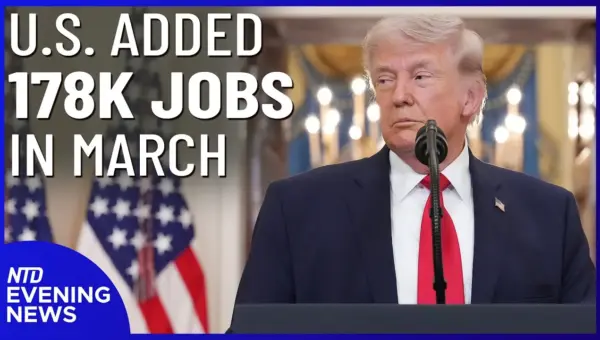
US Jet Downed Near Iran; Pentagon Eyes $1.5 Trillion Budget
A U.S. fighter jet was downed near Iran, leading to search efforts and strong presidential warnings. Meanwhile, the Pentagon is proposing a historic $1.5 trillion defense budget for 2027. The U.S. economy showed strength with a robust March jobs report, but a DHS shutdown continues.