Iran Escalates Tensions; Sports Betting Harms Student Athletes
The U.S. and Iran face escalating tensions following the downing of an F-15 jet, with the Strait of Hormuz remaining a critical flashpoint. Meanwhile, the booming sports betting industry is creating a hostile environment for college athletes, leading to increased harassment and calls for stricter regulations.


Iran Conflict Intensifies Amidst Fighter Jet Downing
Tensions between the United States and Iran reached a critical point following the apparent downing of a U.S. F-15 fighter jet over Iranian territory. A U.S. official confirmed that one crew member was rescued, while efforts continue to locate a second pilot. The incident, which occurred in a mountainous region of southern Iran, has raised serious questions about Iran’s military capabilities and its willingness to engage U.S. forces.
Iranian authorities quickly offered substantial rewards, reportedly around $60,000, to local tribes for the capture of the pilots, emphasizing that bringing them in alive was a priority. This urgency suggests the pilots could become significant bargaining chips in future negotiations, a potential leverage point for Iran beyond its control over the Strait of Hormuz.
Strait of Hormuz: A Strategic Chokepoint
The Strait of Hormuz remains a central focus in the escalating conflict. Before the recent hostilities, approximately 110 ships navigated the strait daily. Now, fewer than 10 ships are passing through, with many forced into Iranian territorial waters. This new route, dubbed the “Tehran Toll Booth,” has seen ships charged up to $2 million for passage, a system Iran appears intent on maintaining even after the conflict.
President Trump’s statements on the U.S. being a net oil exporter and thus less affected by disruptions in the Strait of Hormuz have been met with skepticism. Global oil markets operate as a single entity; scarcity in one region drives up prices everywhere, impacting American consumers at the pump.
International Response and European Stance
A virtual summit involving over 40 countries, including European and Gulf states, convened to discuss reopening the Strait of Hormuz and preventing Iran from holding the global economy hostage. However, the impact of this meeting appears minimal. European nations, not consulted on the initial U.S. and Israeli actions, find themselves on the sidelines.
New sanctions proposed by European countries are seen as unlikely to sway Iran, given the intense pressure it already faces from U.S. and Israeli airstrikes. The situation highlights a divergence in international approaches, with the U.S. pushing for aggressive action while European allies adopt a more cautious stance.
Student Athletes Face Harassment Amidst Sports Betting Boom
Beyond geopolitical tensions, the rise of legalized sports betting is creating significant challenges for college athletes. An estimated $3.3 billion was legally wagered on the NCAA Division I men’s and women’s basketball tournaments, a 54% increase over the last three years.
This surge in betting has led to a disturbing rise in harassment directed at student athletes. According to an NCAA survey, one in three Division I men’s basketball players reported receiving direct blame from fans for betting losses. This abuse often occurs on social media platforms, with angry bettors targeting athletes through direct messages, demanding more points or rebounds even after a win.
NCAA Takes Action to Protect Athletes
The NCAA is actively working to address the problem. A key initiative involves advocating for the removal of player-specific prop bets from regulated sports betting markets. Over half of U.S. states with legalized sports betting have already eliminated these bets, which focus on individual athlete performance and can make athletes targets for abuse and manipulation.
Clint Hunkerbrow, Managing Director of NCAA Administrative Services, explained that these bets break down contests into microscopic chunks, making them easier to fix and increasing the risk of insider information trading and point-shaving schemes. The NCAA is also enhancing mental health resources and harm prevention programs for student athletes on campus.
Integrity of the Game Under Scrutiny
The integrity of college sports is under increasing pressure. Federal indictments have targeted individuals involved in fixing games, including current and former players. The NCAA has banned athletes and staff from betting on professional sports, reversing a previous rule change.
To combat these threats, the NCAA utilizes integrity monitoring services that track over 23,000 collegiate competitions annually. These services look for suspicious betting activity and unusual line movements, allowing the NCAA to proactively identify potential issues. While no integrity concerns have been identified for the current March Madness tournament, the NCAA remains vigilant due to the rapid growth of legalized sports betting and prediction markets.
NIL Rights and Future Outlook
The introduction of Name, Image, and Likeness (NIL) rights in 2021 allows college athletes to earn money through endorsements and other ventures. While this could potentially reduce the temptation for athletes to engage in illicit betting schemes, some experts believe it might also increase disposable income, potentially leading to more problematic gambling habits.
Moving forward, the focus remains on de-escalating the conflict with Iran, securing the passage through the Strait of Hormuz, and protecting student athletes from the negative impacts of widespread sports betting. The coming days will reveal whether diplomatic efforts can resolve the geopolitical crisis and if further measures are needed to safeguard the integrity and well-being of college sports.
Source: Iran’s Bargaining Chips and The Cost of Sports Betting For Student Athletes | April 3 (YouTube)

Related Articles

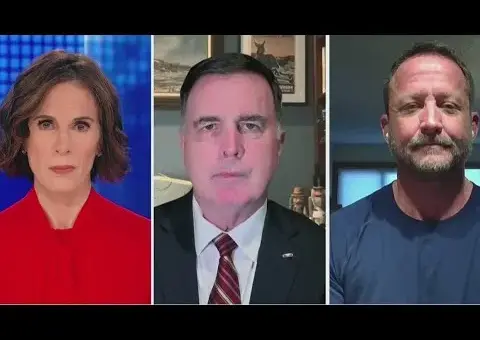
Iran Shoots Down U.S. Jet, Pilot Evades Capture
A U.S. airman is missing after his aircraft was shot down over Iran. Trained in survival, he is reportedly in contact with his co-pilot, a positive sign. The U.S. military is preparing a rescue, but Iran's advanced electronic warfare poses significant challenges.

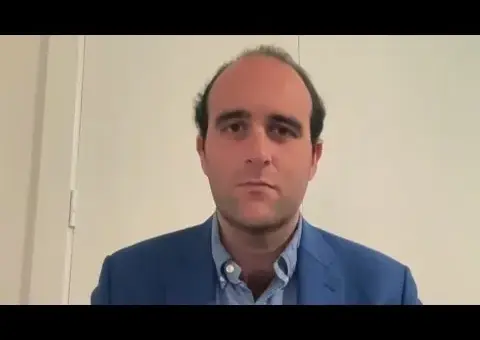
Iran Claims Air Combat Victory, Risks Pilot’s Capture
Iran claims to have downed U.S. aircraft, using the event for propaganda. An exiled prince's aide warns of grim fates for any captured U.S. airman, citing the regime's hostility and disregard for international law. He highlights widespread Iranian discontent, suggesting citizens may help, not betray, a captured pilot.
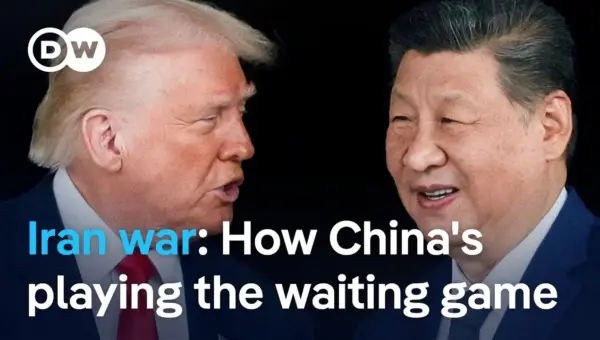
China Warns of Global Fallout as Iran War Escalates
China is calling for a ceasefire in the escalating Iran war, warning of global economic fallout and blaming the US and Israel for disruptions. Beijing's response is cautious, prioritizing stability for its export-driven economy over actively shaping the conflict's outcome. The war highlights China's complex position, needing a stable global system it has also sought to challenge.