US Jet Downed Near Iran; Pentagon Eyes $1.5 Trillion Budget
A U.S. fighter jet was downed near Iran, leading to search efforts and strong presidential warnings. Meanwhile, the Pentagon is proposing a historic $1.5 trillion defense budget for 2027. The U.S. economy showed strength with a robust March jobs report, but a DHS shutdown continues.

US Jet Incident Sparks Tensions, Pentagon Seeks Massive Budget Boost
An American fighter jet was shot down over Iran, prompting urgent search and rescue operations. This incident has escalated tensions between the two nations. President Trump issued a strong warning to Iran, specifically mentioning its bridges and power plants.
The President also suggested taking control of oil supplies from the Strait of Hormuz. He proposed profiting from these supplies by distributing them worldwide. This statement signals a potential shift in U.S. foreign policy and economic strategy concerning oil-rich regions.
Pentagon Proposes Historic $1.5 Trillion Budget
In a related development, the administration is proposing a massive defense budget for fiscal year 2027. This budget, set at $1.5 trillion, would represent a significant increase in military spending. It aims to strengthen national security through various initiatives.
Key components of the proposed budget include a pay raise for military personnel, reflecting a commitment to supporting service members. It also allocates funds for the development of the President’s Golden Dome missile defense system. Furthermore, the budget includes substantial investment in expanding and modernizing the U.S. shipbuilding capabilities.
Economy Shows Strength Amidst Political Stalemate
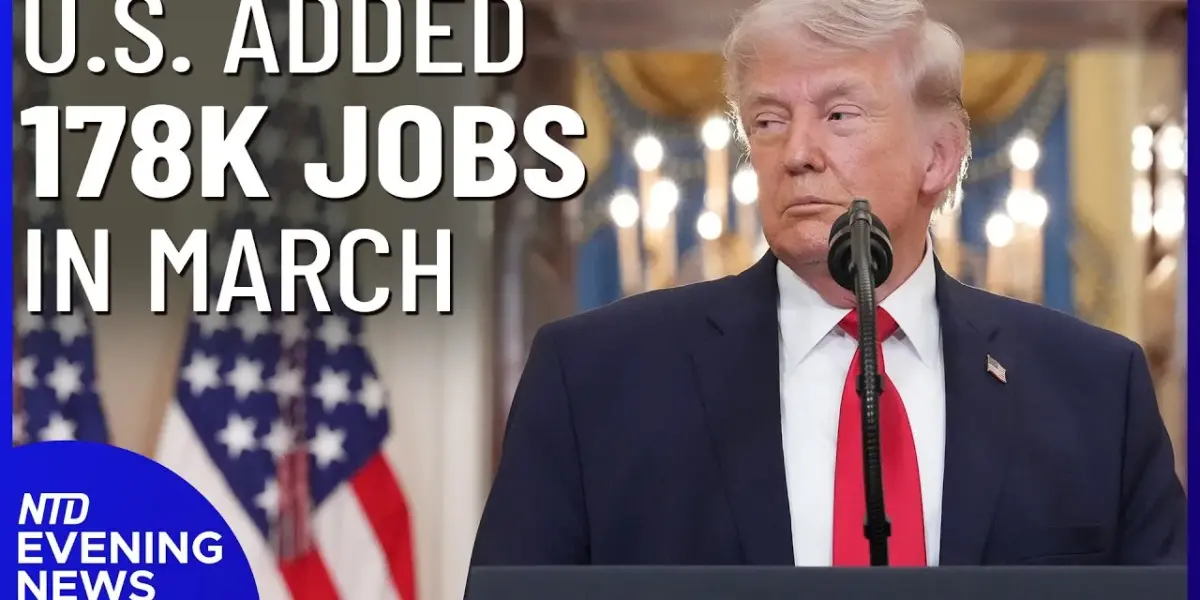
On the economic front, the latest jobs report for March showed a surprisingly strong performance. The number of new jobs added nearly tripled expectations, with 178,000 positions created. This indicates a healthy and growing labor market, which is a positive sign for the overall economy.
However, domestic political challenges persist. The Department of Homeland Security (DHS) shutdown is approaching its 50th day. While Republican leadership has reached an agreement to end the shutdown, the House of Representatives has yet to hold a vote on the matter. This ongoing stalemate highlights partisan divisions and their impact on government operations.
Why This Matters
The downing of a U.S. fighter jet near Iran is a critical event that demands careful attention. It raises immediate concerns about de-escalation and diplomatic engagement to prevent further conflict. The President’s strong rhetoric and proposed actions regarding Iranian infrastructure and oil supplies could have far-reaching geopolitical and economic consequences.
Simultaneously, the proposed $1.5 trillion defense budget signals a major commitment to military strength and technological advancement. Such a significant allocation of resources could reshape defense priorities and international security dynamics. It also raises questions about budget allocation and its impact on other domestic programs.
The robust jobs report offers a counterpoint of economic optimism. It suggests that the U.S. economy remains resilient despite ongoing political uncertainties. However, the prolonged DHS shutdown underscores the challenges in achieving bipartisan consensus on key domestic issues.
Implications and Future Outlook
The geopolitical implications of the Iran incident are significant. Increased military posturing and the threat of economic sanctions could lead to a volatile situation in the Middle East. It’s crucial for diplomatic channels to remain open to avoid miscalculation and unintended escalation. The global energy market could also be affected by any disruption in oil supplies from the Strait of Hormuz.
The proposed defense spending hike could spur innovation in military technology but also raises concerns about the national debt and the balance of government spending. Future defense strategies will likely focus on advanced missile defense and naval power, reflecting evolving global threats.
Economically, continued job growth is a positive indicator. However, the resolution of the DHS shutdown is important for restoring full government functionality and addressing critical national security and immigration issues. The interplay between economic strength and political stability will be key in the coming months.
Historical Context
Tensions between the United States and Iran have a long history, marked by periods of confrontation and attempted diplomacy. The Strait of Hormuz has been a focal point for international concern due to its vital role in global oil transportation. Past incidents have often led to increased military presence and heightened rhetoric from both sides.
The concept of significantly increasing defense budgets is not new, especially during times of perceived international instability. However, the scale of the proposed $1.5 trillion budget is historic, reflecting a strategic decision to prioritize military readiness and technological superiority. This comes at a time when global powers are re-evaluating their defense postures in response to emerging threats and geopolitical shifts.
Government shutdowns, though disruptive, have occurred before, often stemming from deep political disagreements. The current DHS shutdown highlights the ongoing challenges in border security and immigration policy debates, issues that have consistently divided policymakers.
Source: 1 Rescued After US Fighter Jet Downed in Iran; Strong March Jobs Report | NTD Evening News (Apr. 3) (YouTube)

Related Articles


Jobs Surge, Wages Climb: Economy Defies Expectations
The U.S. economy added a surprising 178,000 jobs in March, significantly exceeding expectations. Average wages also climbed 3.5% year-over-year, outpacing inflation. This strong economic data raises questions about the Federal Reserve's ability to cut interest rates this year.

US Claims Victory in Iran; NATO Alliance Strong, Expert Says
A retired U.S. Army Lieutenant Colonel asserts that the United States has achieved its primary objectives in Iran, effectively winning the conflict. He also defends the strategic importance of the NATO alliance, arguing its value is often underestimated by focusing on a few key members.


Trump’s Iran Claims Crumbled as Jets Fall from Sky
President Trump's claims about Iran's weakened air defenses were sharply contradicted when U.S. jets were shot down over Iranian territory and the Strait of Hormuz. This forced an emergency meeting, highlighting a dangerous gap between rhetoric and reality in a volatile region.