Iran Escalates: Jets Downed, Peace Talks Collapse
Two US jets were shot down by Iran as peace talks collapsed, pushing the conflict into a dangerous new phase. The loss of aircraft and failure of diplomacy signal a potential shift in military strategy, with harsher actions possibly on the horizon.

Iran Escalates: Jets Downed, Peace Talks Collapse
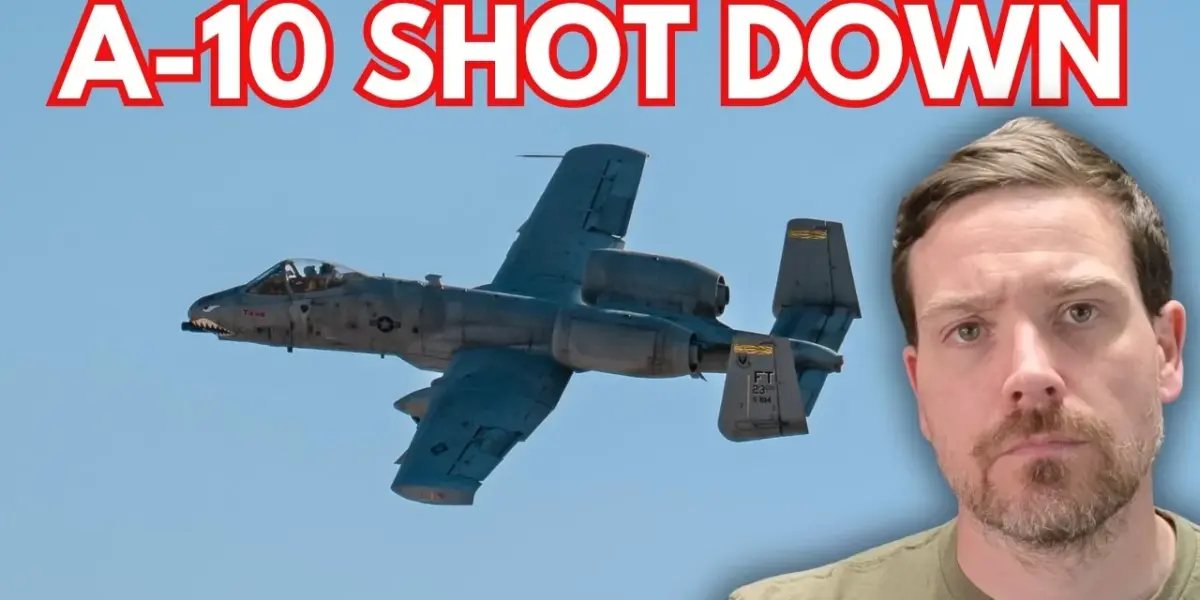
The conflict between the United States and Iran has entered a dangerous new phase. Two American jets, an F-15 and an A-10, were shot down by Iranian forces. This happened as diplomatic talks between the two nations officially broke down, signaling a potential shift in the war’s strategy.
A Deadly Day in the Skies
The day began with the news that a US F-15 Strike Eagle was shot down over western Iran. This was the first manned American aircraft lost to Iranian fire since the conflict started. Before this, Iran had mainly targeted and downed less valuable drones. While these drones, like the Reaper, are expensive, they do not carry pilots into enemy territory.
The loss of the F-15 was particularly concerning because it meant a pilot was now behind enemy lines. Search and rescue efforts immediately began. During these operations, an A-10 Warthog was damaged by fire while searching for the missing F-15 crew member. The A-10 pilot ejected safely over the Persian Gulf and was recovered. Additionally, two American helicopters involved in the rescue mission were hit by ground fire, wounding some crew members. These helicopters managed to land safely back at a US base, and the injured service members received medical attention.
The F-15 carried a two-person crew. While the pilot was rescued, the weapon systems officer remained missing at the time of the report. A race was reportedly underway between the US, Israel, and Iran to locate this airman. Unverified reports of capture circulated, but lacked evidence.
Why This Matters: A Shift in Tactics?
The downing of multiple aircraft in one day raises questions about what has changed. Several possibilities exist. One is that Iran may have acquired new anti-aircraft technology from allies like Russia. Another idea is that Iran had been holding back certain advanced weapon systems, perhaps saving them for a potential US ground invasion. However, it seems unlikely Iran would have held back such capabilities for weeks if they could have inflicted damage earlier.
A more probable explanation is that American aircraft recently flew within range of Iran’s existing air defense systems. Man-portable air-defense systems (MANPADS), for example, are effective against low-flying helicopters and aircraft but cannot reach high-flying planes. It’s possible the F-15 entered an area where Iranian defenses had been reinforced or were more active. Once the F-15 went down, the subsequent search and rescue mission may have put other aircraft, like the A-10 and helicopters, in vulnerable positions, making them targets for ground fire.
This situation brings to mind the “Black Hawk Down” incident in Mogadishu in the early 1990s. A seemingly standard operation to capture a militia leader turned chaotic when a helicopter was shot down. This single event triggered a chain reaction, forcing the US military to divert resources and engage in a prolonged, intense battle. Similarly, the loss of the F-15 appears to have created a domino effect, escalating the immediate danger and changing the nature of ongoing operations.
Diplomacy Reaches a Dead End
Behind the military actions, diplomatic efforts have also failed. Recent reports indicate that talks aimed at a ceasefire between the US and Iran have hit a wall. Iran has officially told mediators, including Pakistan, that it will not meet with US officials. They also stated that the US demands are unacceptable.
Earlier in these negotiations, Iran had laid out its conditions for ending the war. These included the US paying reparations, withdrawing forces from the Middle East, and guarantees against future attacks. These demands are a significant departure from the initial US position. The US had presented a 15-point plan, likely hoping that military pressure would force Iran to negotiate on American terms.
It appears that the military actions taken so far have not brought Iran to the point of accepting US demands. This suggests that the current strategy may need to change. President Trump has previously mentioned targeting Iran’s energy infrastructure, including oil facilities and desalination plants, if a deal wasn’t reached. With negotiations now officially over, such actions could be considered.
Future Outlook: What’s Next?
The failure of talks and the downing of US aircraft signal a critical juncture. The US faces a choice: continue the current level of bombardment, potentially for a longer duration, or change its strategy. Targeting different sites, as previously threatened, is a likely option.
Other potential actions could include seizing Iranian oil tankers, attacking oil fields directly, or even deploying US troops on the ground. Special operations raids to secure nuclear materials or seizing islands in the Strait of Hormuz are also possibilities. As the conflict enters this new phase, these options will likely be on the table.
The bravery of US service members, especially during search and rescue operations in hostile territory, cannot be overstated. Their commitment to bringing personnel home, even at great personal risk, is a testament to their dedication. However, the escalating events suggest that the conflict is far from over and may become even more intense.
Source: Iran Just Shot Down Two US Jets – War Enters Deadly New Phase (YouTube)

Related Articles


Iran’s Leaders Seek Leverage, Ignore U.S. for Decades
For 47 years, Iran's leadership has harbored a deep-seated animosity towards the United States, seeking to obliterate it and capture American personnel for leverage. This long-standing hostility, often ignored, is now being revealed through their actions and persistent agenda.
Iran’s Internal Struggle: War Fuels Division, Undermines Regime
A firsthand account from a former U.S. operative detained in Iran reveals deep internal divisions. While some Iranians see external actions as liberation, hostile rhetoric alienates many. The IRGC struggles to control information as citizens subtly resist the regime's narrative.


US Jets Downed in Iran; Rescue Mission Faces Iranian Fire
An American F-15 fighter jet has been shot down over Iran, triggering a risky search and rescue mission that has already faced Iranian fire. A second U.S. aircraft also went down, though its pilot was rescued. The incidents escalate a conflict that has drawn criticism for potentially underestimating Iranian capabilities and leaving allies concerned.