Iran’s Internal Struggle: War Fuels Division, Undermines Regime
A firsthand account from a former U.S. operative detained in Iran reveals deep internal divisions. While some Iranians see external actions as liberation, hostile rhetoric alienates many. The IRGC struggles to control information as citizens subtly resist the regime's narrative.

Iran’s Internal Struggle: War Fuels Division, Undermines Regime
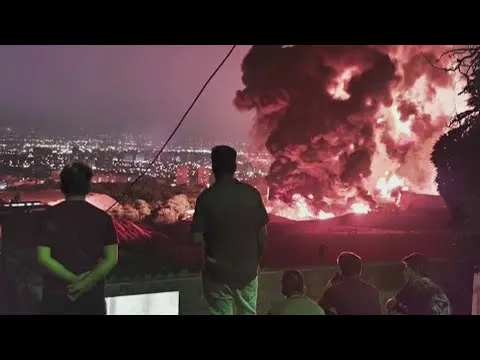
The ongoing conflict is creating deep divisions within Iran, pushing some citizens to see external actions as liberation while others feel increasingly alienated by hostile rhetoric. A recent firsthand account from a former U.S. political operative detained and interrogated by Iran’s Islamic Revolutionary Guard Corps (IRGC) reveals the complex internal landscape. This individual, who ran for office as a Republican in South Carolina and worked on Mark Sanford’s presidential campaign, was detained while attempting to leave Iran through the Armenian border. Despite finding footage on his devices, including pictures with Sanford, the IRGC ultimately released him. They tried to turn him into a spy, asking him to help the ‘motherland.’ He used this as leverage to escape further interrogation, promising not to speak about his ordeal.
Regime Propaganda vs. Public Voice
The former operative’s decision to speak out was partly driven by what he sees as Western media often broadcasting regime propaganda. He highlights that the voices of ordinary Iranians are being silenced. Internet access has been severely restricted during the conflict, with only those using expensive VPNs able to connect. Even these connections are increasingly monitored or controlled by the IRGC or sanctioned individuals. This leaves many Iranians unable to share their true experiences or perspectives.
Mixed Reactions to External Actions
Inside Iran, people are struggling under the pressures of war. However, some welcome external actions, viewing them as a form of liberation from the current regime. This sentiment is complicated by aggressive rhetoric, such as former President Donald Trump’s statements about bombing Iranians ‘back to the Stone Age.’ Such language makes it difficult for Iranians to distinguish between criticism of the regime and attacks on the people. This is causing trauma and alienating those who might otherwise see external pressure as a path to change.
Shifting Public Opinion and Resistance
The former operative has observed a ‘wobble’ in the views of some Iranians he can still connect with. They are becoming upset with rhetoric that suggests changing Iran’s borders or bombing civilian infrastructure. Recent actions, like the bombing of a bridge, are viewed by some as attacks on civilian life, not just military targets. This has led to increased anger towards external actors who appear to be bombing their country.
Despite the challenges and the regime’s efforts to control the narrative, signs of defiance persist. When an Iranian fighter jet was shot down, and one pilot was rescued while another was still being sought, memes quickly appeared on Iranian social media. Some of these memes, possibly originating from within Iran, showed civilians casually eating kabobs with what appeared to be the American pilot. This imagery signals a willingness among some Iranians to welcome the pilot, rather than hand him over to the authorities. It suggests a subtle, yet significant, form of passive resistance against the state’s narrative.
Historical Context and Information Warfare
This situation echoes past instances where public opinion within a nation diverged sharply from its government’s official stance, particularly during times of conflict. The battle for hearts and minds is a critical aspect of modern warfare. Experts like Sebastian Gorka have pointed to information operations as a top priority for various actors. However, the effectiveness of Iran’s own information operations appears to be faltering, as evidenced by the public’s reaction to the captured pilot incident. The regime’s attempt to put a bounty on the pilot was met with images of civilians interacting amicably with him, undermining the state’s narrative of national unity against external enemies.
Global Impact
The internal divisions within Iran, fueled by external conflict and rhetoric, have significant global implications. They highlight the challenges of applying external pressure without alienating the very population one might seek to support. The IRGC’s efforts to control information and co-opt individuals demonstrate the regime’s deep-seated fear of internal dissent. As Western powers consider their strategies, understanding these complex internal dynamics is crucial. Misjudging public sentiment could inadvertently strengthen the regime’s narrative of victimhood or create greater instability. The situation underscores the delicate balance between military action, diplomatic pressure, and the critical need for accurate information about the lived experiences of ordinary citizens in Iran.
Source: How is the war being viewed inside Iran? | NewsNation Live (YouTube)

Related Articles
US Jets Downed in Iran; Rescue Mission Faces Iranian Fire
An American F-15 fighter jet has been shot down over Iran, triggering a risky search and rescue mission that has already faced Iranian fire. A second U.S. aircraft also went down, though its pilot was rescued. The incidents escalate a conflict that has drawn criticism for potentially underestimating Iranian capabilities and leaving allies concerned.


Iran Rejects Ceasefire: US Military Claims Unravel
Iran has reportedly rejected a U.S. ceasefire proposal, directly contradicting White House claims of military success. Amidst aircraft losses and a significant shake-up in Pentagon leadership, conflicting narratives are emerging. Public approval for the war is plummeting, raising questions about the administration's strategy and transparency.

Global Travel Snarls Force Midday Flights For Savings
Millions are traveling this Easter weekend despite rising gas prices and flight costs. Global tensions in the Middle East are rerouting flights and increasing fuel expenses. Travel expert Clint Henderson advises flying mid-day on Tuesdays, Wednesdays, or Saturdays for better deals and fewer crowds.