US Jets Downed in Iran; Rescue Mission Faces Iranian Fire
An American F-15 fighter jet has been shot down over Iran, triggering a risky search and rescue mission that has already faced Iranian fire. A second U.S. aircraft also went down, though its pilot was rescued. The incidents escalate a conflict that has drawn criticism for potentially underestimating Iranian capabilities and leaving allies concerned.


US F-15 Jet Crashes in Iran, Search for Pilot Underway
A U.S. F-15 fighter jet was shot down over Iran earlier today, prompting an urgent search and rescue mission for the missing pilot. U.S. officials confirmed the incident, which marks a significant escalation in the ongoing conflict. The military is working against the clock to find the service member before they can be captured by Iranian forces.
Iranian state television has reported that authorities are asking residents to help locate the missing American. The U.S. military has labeled the pilot’s status as “duty status whereabouts unknown.” This designation suggests that while the pilot is unaccounted for, there is no current belief that they have been captured.
Risky Rescue Operations Amid Iranian Fire
The search and rescue operation for the downed pilot is already facing serious threats. According to NBC News, two U.S. military helicopters involved in the effort were struck by Iranian fire. Fortunately, the service members aboard these helicopters are reported to be safe.
“This is dangerous stuff. It’s very risky. You’re in the middle of an adversary during a time of war. And so whatever we use to conduct the search and rescue operation is going to be targeted by the Iranians.”
Former Secretary of Defense Leon Panetta
Leon Panetta, former Secretary of Defense, highlighted the extreme danger involved. He stated that any search and rescue assets would likely be targeted by Iran. However, he stressed the commitment to not leaving American personnel behind.
Second Aircraft Downed Near Strait of Hormuz
Adding to the day’s alarming developments, a second U.S. combat plane crashed earlier today near the Strait of Hormuz. U.S. officials confirmed that the pilot of this aircraft was successfully rescued by American forces.
These events follow a U.S. attack on a highway bridge near Tehran, reported by The New York Times to have been struck twice. This marks the first known U.S. strike on civilian infrastructure in the conflict, occurring after threats from Donald Trump to bomb Iran “back to the Stone Age.”
Iran Conflict Escalates Amid Diplomatic Tensions
The situation is further complicated by a Monday deadline set by Donald Trump. He has demanded that Iran reopen the Strait of Hormuz, threatening U.S. strikes on Iranian power plants if the demand is not met.
Retired U.S. Army Brigadier General Steve Anderson described the situation as former President Trump having “stuck his hand in the middle of a hornet’s nest” without a clear exit strategy. He noted that despite previous claims of U.S. air superiority, Iran still possesses the capacity to shoot down advanced aircraft like the F-15.
Underestimation of Iranian Capabilities
Experts suggest that Iran’s capabilities may have been underestimated. “Iran was by far the most formidable opponent in the Middle East that the U.S. was going to ever face,” said one analyst. The country had prepared a defense strategy, decentralizing its capabilities.
General Anderson explained that even a shoulder-fired missile from a hidden location could bring down an aircraft. He called the idea of Iran’s air defenses being decimated “ludicrous,” pointing out that Iran continues to pose threats and maintain its will to fight.
Allies Express Concern Over US Strategy
European allies have shown skepticism about the war’s endgame and the reasons for U.S. involvement. Many have not joined the U.S. effort, concerned about the lack of a viable military solution for reopening the Strait of Hormuz.
While annoyed by other U.S. foreign policy actions, European leaders’ primary concern regarding Iran is the military aspect of the conflict. There is little public support for involvement in such a war among European populations, making it politically risky for their leaders.
Gulf states, though initially hesitant about U.S. intervention, now want to maintain close ties with the U.S. to ensure continued involvement. They fear being left with a weakened but still dangerous Iranian regime if the U.S. withdraws.
Uncertain Future and Limited Options
The U.S. faces difficult choices with no easy solutions. Leaving now could embolden the current Iranian regime. Negotiating from a position of distrust is challenging, and continued escalation does not guarantee an end to the conflict.
The economic and geopolitical impacts of the war are expected to last for months, if not years. The U.S. has yet to clearly outline an endgame for the conflict or provide the American public with a clear timeline for its resolution beyond immediate military objectives.
Source: ‘Trump has STUCK his hand in the middle of a hornets nest!’: Anxiety piling over Iran war chaos (YouTube)

Related Articles
Iran Rejects Ceasefire: US Military Claims Unravel
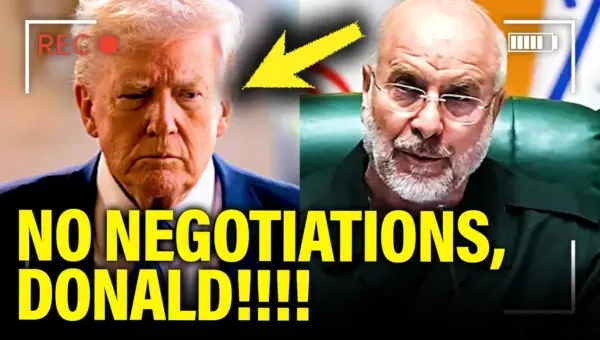
Iran has reportedly rejected a U.S. ceasefire proposal, directly contradicting White House claims of military success. Amidst aircraft losses and a significant shake-up in Pentagon leadership, conflicting narratives are emerging. Public approval for the war is plummeting, raising questions about the administration's strategy and transparency.
F-15E Jet Downed Over Iran; US Warns on Chinese Apps
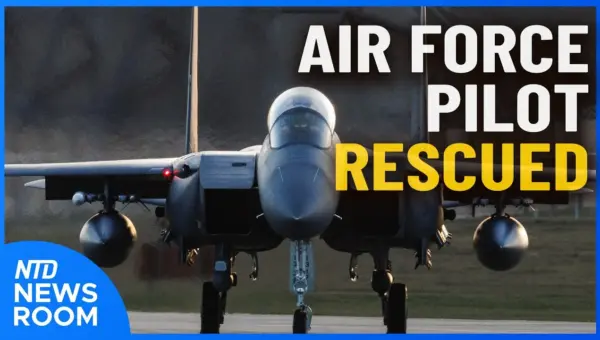
An F-15E jet has reportedly been shot down over Iran, with one crew member rescued. The FBI also issued a warning about potential security risks associated with Chinese-developed apps. Meanwhile, a strong March jobs report indicates a rebound in the labor market.

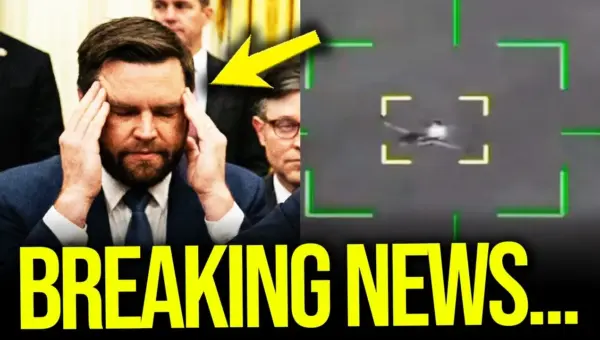
Iran Shoots Down Jets, Trump Faces Middle East Crisis
U.S. aircraft shot down over Iran, including an F-15E and an A-10, have forced President Trump into an emergency national security meeting. The incidents challenge claims of Iran's weakened defenses and highlight a diplomatic stalemate, with Iran rejecting U.S. demands and potential economic fallout looming.