Iran Rejects Ceasefire: US Military Claims Unravel
Iran has reportedly rejected a U.S. ceasefire proposal, directly contradicting White House claims of military success. Amidst aircraft losses and a significant shake-up in Pentagon leadership, conflicting narratives are emerging. Public approval for the war is plummeting, raising questions about the administration's strategy and transparency.


Iran Rejects Ceasefire: US Military Claims Unravel
In a rapidly shifting situation, reports indicate that Iran has rejected a United States proposal for a 48-hour ceasefire. This development directly challenges recent claims made by the Trump administration regarding the state of the conflict. The news comes as the U.S. military faces setbacks, including the loss of at least two aircraft over Iran.
Conflicting Narratives Emerge
The White House, and President Trump himself, had previously stated that Iran’s air defenses were neutralized and that U.S. forces could operate freely. President Trump posted on Truth Social, stating, “Iran’s new regime president, much less radicalized and far more intelligent than his predecessors, has just asked the United States of America for a ceasefire.” He added that the U.S. would consider it when the Strait of Hormuz was open and clear, vowing to otherwise “blast Iran into oblivion.”
However, reports from Reuters, citing an unnamed source, suggest Iran has rejected this U.S.-backed proposal. This rejection implies that Iran does not believe it is losing the conflict or feels no pressure to stop fighting. This directly contradicts the narrative of swift U.S. military victory that has been promoted by the administration.
Military Setbacks Undermine Claims
Adding to the confusion, the U.S. has lost at least two military aircraft over Iran. One incident involved an F-15 fighter jet being shot down, with search and rescue operations underway for a missing crew member. Another U.S. aircraft, an A-10 plane, also went down in the region. These events are significant because they occurred despite previous assertions that Iran’s anti-aircraft capabilities had been eliminated.
For context, while three U.S. F-15s were previously shot down in a friendly fire incident by Kuwaiti forces, this marks the first time a U.S. aircraft has reportedly been downed by enemy fire in this conflict. The loss of these aircraft raises serious questions about the accuracy of intelligence and public statements coming from the administration.
Pentagon Shake-up Amidst Conflict
The turmoil extends to the Pentagon, where Defense Secretary Pete Hegsth has reportedly been removing or sidelining senior military officials during the ongoing conflict. This includes the forced removal of the Army’s Chief of Staff, General Randy George, who was asked to retire immediately. General George is described by a national security analyst and retired U.S. Marine as a “generational chief of staff” with immense intelligence, discipline, and war-fighting experience, who was leading the Army’s transformation into new warfare technologies.
This shake-up, involving the dismissal of about a dozen flag and general officers, including the former Chairman of the Joint Chiefs and the head of the Navy, is seen as highly unusual, especially during active conflict. Critics argue that such changes, driven by loyalty rather than qualification, can put soldiers in greater danger and create instability within the military leadership.
Public Opinion and Future Outlook
Public support for the war appears to be waning significantly. Recent polling indicates that only a third of Americans approve of President Trump’s handling of the conflict, with two-thirds disapproving of the military action in Iran. Strong opposition has grown, and a majority of Americans believe the war is likely to become a long-term conflict. Nearly 70% oppose sending U.S. ground troops into Iran, despite the administration repeatedly refusing to rule out this possibility.
Furthermore, a large majority of Americans do not want Congress to authorize additional funding for military action. The administration’s changing narratives, from claiming victory to requesting significant funding and potentially deploying ground troops, are making it harder to convince the American public. The situation suggests a growing disconnect between the administration’s messaging and the reality on the ground, raising concerns about the long-term implications of the conflict and the stability of U.S. military leadership.
Why This Matters
The conflicting reports about the ceasefire, coupled with military losses and internal Pentagon changes, highlight a critical lack of transparency and potentially flawed decision-making. The administration’s claims of success are being challenged by evidence of ongoing resistance and significant military setbacks. This creates public distrust and raises serious questions about the strategy and objectives of the U.S. in Iran. The forced removal of experienced military leaders during wartime is particularly concerning, suggesting potential political interference over military readiness. As the situation develops, the American people deserve clear, consistent, and accurate information about the conflict and its true costs.
Implications and Future Outlook
The rejection of the ceasefire by Iran, if confirmed, suggests that diplomatic efforts may be failing and the conflict could escalate further. The administration’s shifting explanations and the shake-up at the Pentagon create an environment of uncertainty. This could lead to a prolonged and potentially more costly engagement. The growing public opposition also puts pressure on the administration to provide a clearer path forward. The future outlook depends heavily on whether the U.S. can reconcile its public messaging with the on-the-ground realities and whether it can restore confidence in its military leadership and strategy.
Historical Context
U.S. involvement in the Middle East has a long and complex history, marked by shifting alliances and repeated military interventions. The current situation echoes past instances where initial claims of rapid success have been followed by prolonged conflicts and unforeseen challenges. The tension between presidential directives and military realities has often played out in the region. The current administration’s approach, characterized by bold pronouncements and a willingness to challenge established norms, adds another layer to this historical pattern.
Source: Trump BLINDSIDED as IRAN REJECTS CEASEFIRE!! (YouTube)

Related Articles

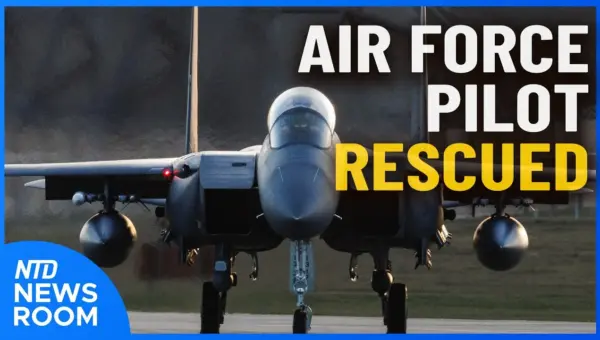
F-15E Jet Downed Over Iran; US Warns on Chinese Apps
An F-15E jet has reportedly been shot down over Iran, with one crew member rescued. The FBI also issued a warning about potential security risks associated with Chinese-developed apps. Meanwhile, a strong March jobs report indicates a rebound in the labor market.

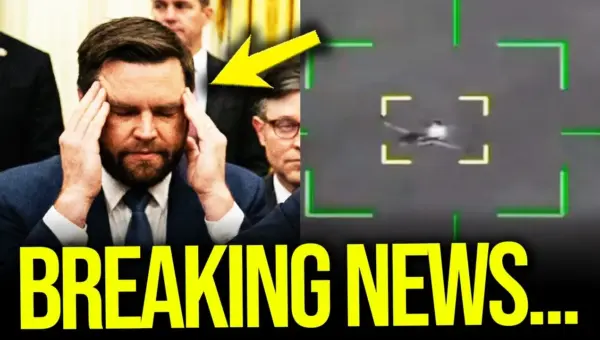
Iran Shoots Down Jets, Trump Faces Middle East Crisis
U.S. aircraft shot down over Iran, including an F-15E and an A-10, have forced President Trump into an emergency national security meeting. The incidents challenge claims of Iran's weakened defenses and highlight a diplomatic stalemate, with Iran rejecting U.S. demands and potential economic fallout looming.


US Pilot Rescued, Another Missing After Iran Downs Fighter Jet
A U.S. F-15E fighter jet was shot down over Iranian airspace, prompting an urgent search for a missing pilot. One pilot has been rescued, while the other remains unaccounted for. The incident occurred during a rescue operation where three other U.S. aircraft were reportedly struck by Iranian fire, raising concerns about regional stability and Iran's military capabilities.