Iran Shoots Down Jets, Trump Faces Middle East Crisis
U.S. aircraft shot down over Iran, including an F-15E and an A-10, have forced President Trump into an emergency national security meeting. The incidents challenge claims of Iran's weakened defenses and highlight a diplomatic stalemate, with Iran rejecting U.S. demands and potential economic fallout looming.

Iran Shoots Down Jets, Trump Faces Middle East Crisis
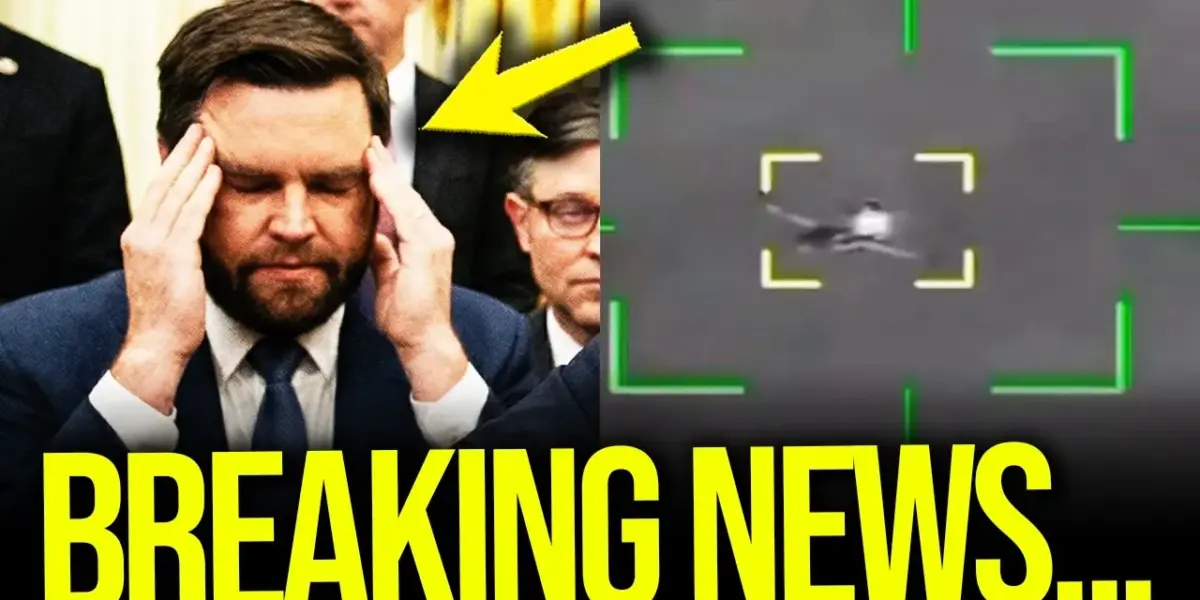
Tensions in the Middle East have reached a critical point, forcing President Donald Trump to call an emergency meeting with his top national security advisers. This urgent gathering comes after a significant escalation: an F-15E fighter jet was shot down over Iran, leading to a military rescue operation for two service members. Shortly after, another U.S. military plane, an A-10 Thunderbolt II, also crashed in the Persian Gulf. Reports indicate Iran’s air defense systems targeted both aircraft.
This situation directly contradicts President Trump’s earlier assertion that Iran’s defense systems had been completely destroyed. The ongoing incidents suggest a misunderstanding of Iran’s military capabilities, particularly its IRGC Navy, which specializes in asymmetric warfare. While the U.S. may have degraded Iran’s older, conventional fleet, the IRGC Navy remains capable of disrupting crucial shipping lanes like the Strait of Hormuz and engaging U.S. aircraft.
A Two-Tiered Iranian Navy
Iran’s military structure is not monolithic. It possesses a conventional navy, which has indeed seen much of its older equipment destroyed. However, it also operates the IRGC Navy. This second force is adept at asymmetric tactics. These include mining operations, employing suicide drones and ships, and using missile defense systems. These are precisely the capabilities that allow Iran to threaten the Strait of Hormuz and engage in regional conflict, despite claims of its military being crippled.
Escalation and Diplomatic Stalemate
The downing of the U.S. aircraft occurred just after President Trump stated Iran had no defense systems left. This stark contrast highlights the volatile nature of the conflict. Reports suggest Iran rejected all U.S. demands following these events. This rejection stems from Iran’s perceived position of relative strength, believing its key military assets remain intact and effective.
Mediators are currently struggling to find a path forward. Iran has refused to meet with U.S. officials in Pakistan, and proposed alternative venues like Doha or Istanbul are being considered. This diplomatic deadlock suggests Iran feels it has leverage, while the U.S. seeks a swift resolution without appearing weak.
Conflicting Reports and Missing Personnel
Amidst the military events, there has been conflicting information regarding the status of U.S. personnel. While initial reports indicated all downed pilots were rescued, later information confirmed one American fighter pilot remained missing, with search operations underway. The U.S. has reportedly lost at least three aircraft, with some reports suggesting a fourth was hit, including a helicopter. Iranian state media has released footage of downed aircraft, seemingly aimed at humiliating President Trump and the United States on the global stage.
Historical Context and Strategic Miscalculations
The U.S. military has not seen aircraft shot down by Iran since World War II, underscoring the significance of these recent events. Meanwhile, reports also indicate U.S.-Israeli strikes have hit Iranian infrastructure, including a university and gas facilities, with casualties reported. This situation presents a complex picture where both sides are experiencing damage, rather than a clear victory for either.
President Trump’s public statements have also drawn scrutiny. He suggested targeting civilian infrastructure like bridges and power plants, a stance that has drawn criticism for potentially escalating civilian harm. His remarks about easily reopening the Strait of Hormuz are also being questioned, as many believe Iran’s capabilities in that area remain significant and profitable for them through oil ‘tolling’.
Economic Implications: The Looming Oil Shock
Beyond the immediate military and diplomatic tensions, there are potential economic consequences. Global oil in transit has dropped significantly, and Western countries have yet to fully feel the delayed impact. Ships have delivered their last cargos through the Strait of Hormuz, and incoming shipments are dwindling. This could lead to an oil shock in the West, as the full effects of the disruption begin to manifest.
Why This Matters
The current crisis in the Middle East, marked by the downing of U.S. aircraft and a diplomatic impasse, raises serious questions about strategic planning and international relations. The situation highlights the dangers of underestimating an adversary and the potential for miscalculation to lead to wider conflict. The inability to secure a diplomatic resolution, coupled with escalating military actions and economic fallout, creates a volatile environment with far-reaching consequences.
Future Outlook
The coming weeks will be critical in determining the trajectory of this conflict. President Trump’s administration faces immense pressure to de-escalate while avoiding concessions that could be perceived as weakness. Iran, on the other hand, appears determined to leverage its asymmetric capabilities to its advantage. The effectiveness of ongoing diplomatic efforts, the potential for further military engagement, and the impact of economic sanctions and oil market disruptions will all play a crucial role in shaping the future of the region.
Source: Trump Calls EMERGENCY MEETING after Iran BACKFIRE (YouTube)

Related Articles


US Pilot Rescued, Another Missing After Iran Downs Fighter Jet
A U.S. F-15E fighter jet was shot down over Iranian airspace, prompting an urgent search for a missing pilot. One pilot has been rescued, while the other remains unaccounted for. The incident occurred during a rescue operation where three other U.S. aircraft were reportedly struck by Iranian fire, raising concerns about regional stability and Iran's military capabilities.

Iran Fires on US Aircraft During Rescue Mission
Iran has fired upon and struck multiple U.S. aircraft, including an F-15 jet and an A-10 Warthog, as well as two Black Hawk helicopters, during search and rescue operations. The incidents occurred amidst significant and unusual leadership changes within the U.S. Army.


US Faces Growing Pressure Over Arms Sales
The United States is facing mounting international pressure over its global arms sales. The debate pits national security and economic interests against human rights concerns, influencing alliances and regional power balances worldwide.