US Pilot Rescued, Another Missing After Iran Downs Fighter Jet
A U.S. F-15E fighter jet was shot down over Iranian airspace, prompting an urgent search for a missing pilot. One pilot has been rescued, while the other remains unaccounted for. The incident occurred during a rescue operation where three other U.S. aircraft were reportedly struck by Iranian fire, raising concerns about regional stability and Iran's military capabilities.


US Pilot Rescued, Another Missing After Iran Downs Fighter Jet
A U.S. fighter jet was shot down over Iranian airspace, leading to an urgent search for a missing pilot. One pilot has been rescued, while the other remains unaccounted for. The incident occurred during a search and rescue operation, during which three other U.S. military aircraft were reportedly struck by Iranian fire. The situation remains fluid as the U.S. military works to locate the missing airman and assess the implications of Iran’s actions.
U.S. Fighter Jet Downed Over Iran
An F-15E Strike Eagle, a two-seater aircraft, was shot down by Iran while flying over its airspace, according to U.S. officials. Images released by Iranian state media appear to show the downed jet. The incident has triggered a high-stakes search and rescue mission for the two pilots on board.
Rescue Efforts and Iranian Fire
In the midst of the search for the downed pilots, two U.S. military Blackhawk helicopters and an A-10 Warthog aircraft were reportedly struck by Iranian fire. The A-10 managed to reach friendly airspace in Kuwait, where its pilot ejected safely, but the aircraft crashed. The U.S. officials confirmed that all service members involved in these separate incidents are safe, but the exact details of which helicopters were hit remain unclear.
“It’s just as important as people’s brackets are. It’s where they’re going to eat and stay when there’s a Final Four in town.”
— Co-owner of St. Elmo’s Steakhouse, Indianapolis, on preparations for major events.
Iran’s Military Capabilities Questioned
The downing of the F-15E and the subsequent attacks on aircraft involved in the rescue operation raise questions about Iran’s current anti-air capabilities. While U.S. military actions have degraded Iran’s conventional forces, experts suggest that Iran still possesses systems, including shoulder-fired missiles and guns, that can pose a threat to low-flying aircraft, particularly during search and rescue missions.
Army Leadership Changes Amidst Tensions
The U.S. military is facing upheaval in its leadership ranks, with changes occurring within the Army. While these changes are reportedly unrelated to the ongoing situation with Iran, making such shifts during a time of war can send a message of uncertainty or disagreement to adversaries. The timing of these leadership changes, especially as President Trump indicated an end to the conflict was near, has drawn scrutiny.
President’s Mixed Signals on Iran Conflict
President Trump’s administration has sent mixed signals regarding the conflict with Iran. While previously suggesting the war was winding down, recent statements and actions, including the downing of the U.S. jet, have raised concerns about potential escalation. The President’s national security team has been in continuous meetings to discuss the developing situation, though he has not made a public appearance. His social media posts have touched on the economy and the conflict, but not directly addressed the downed aircraft.
Strait of Hormuz and Shifting Objectives
The President’s rhetoric concerning the Strait of Hormuz has also been a point of discussion. Initially suggesting the waterway would reopen naturally once the conflict ended, his later posts indicated a desire for the U.S. to control the oil in the region. These shifts in messaging and objectives have left allies and observers questioning the administration’s strategy and who is providing guidance on dealing with the blockade.
International Reactions and Search for Pilot
Iran has reportedly placed a bounty on the captured pilot, highlighting the strategic importance of taking a U.S. pilot as a prisoner of war. This could significantly alter negotiation dynamics between the two countries. The U.S. military is deeply concerned for the well-being of the missing pilot, recognizing that finding them is a critical priority amidst the ongoing conflict.
Civilian Infrastructure Targeted
In addition to military targets, Iran has also been striking civilian infrastructure, particularly in the Gulf region. This tactic is seen as a way to inflict pain on the civilian population, potentially pressuring their government. The targeting of desalination plants, crucial for water supply, and oil infrastructure in Kuwait underscores the broader impact of the conflict on civilian life and regional stability.
Combat Search and Rescue Operations
U.S. military crews are equipped with highly trained Combat Search and Rescue (CSAR) teams, ready to operate in hostile environments. These teams, supported by a fleet of helicopters and refueling tankers, work to locate and extract downed airmen. A virtual armada of combat aircraft provides an aerial dome over the search area to deter enemy interference. Despite the risks, these operations are expected to continue with full momentum.
Severe Weather Threatens Millions
Beyond the tensions in the Middle East, severe weather poses a significant threat to millions across the United States. Heavy hail, strong winds, and tornadoes are expected to impact Texas and the Midwest, with flood watches in effect for areas like Oklahoma. Meanwhile, parts of Michigan and Minnesota are bracing for up to a foot of snow, following intense storms that hit the Midwest the previous day, causing widespread damage.
Looking Ahead
The immediate focus remains on the intensive search for the missing U.S. pilot in Iran and the diplomatic and military responses to the downed fighter jet. Simultaneously, the U.S. is monitoring severe weather patterns across the country. The coming days will be crucial in understanding the full implications of Iran’s actions, the effectiveness of U.S. military strategy, and the impact of extreme weather events on American communities.
Source: LIVE: NBC News NOW – April 3 (YouTube)

Related Articles


Iran Fires on US Aircraft During Rescue Mission
Iran has fired upon and struck multiple U.S. aircraft, including an F-15 jet and an A-10 Warthog, as well as two Black Hawk helicopters, during search and rescue operations. The incidents occurred amidst significant and unusual leadership changes within the U.S. Army.


US Faces Growing Pressure Over Arms Sales
The United States is facing mounting international pressure over its global arms sales. The debate pits national security and economic interests against human rights concerns, influencing alliances and regional power balances worldwide.

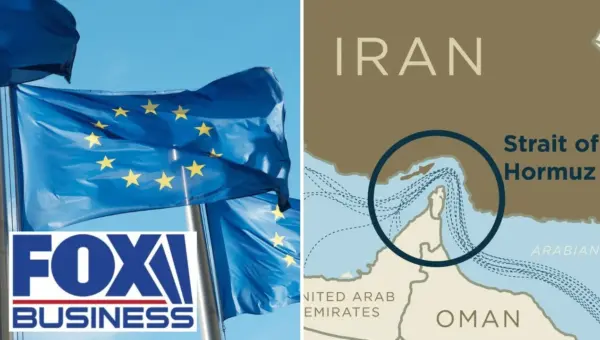
Europe’s Stance Risks Global Stability, Analyst Warns
An analyst expresses concern over traditional European allies' slow response to geopolitical threats, warning it could destabilize global markets. The focus shifts to nations like Saudi Arabia and the UAE for security contributions, while Europe's energy vulnerability is highlighted. Market anxiety over potential recession and volatility is growing.