Unlock Rental Profits: The 60-30-10 Land Rule
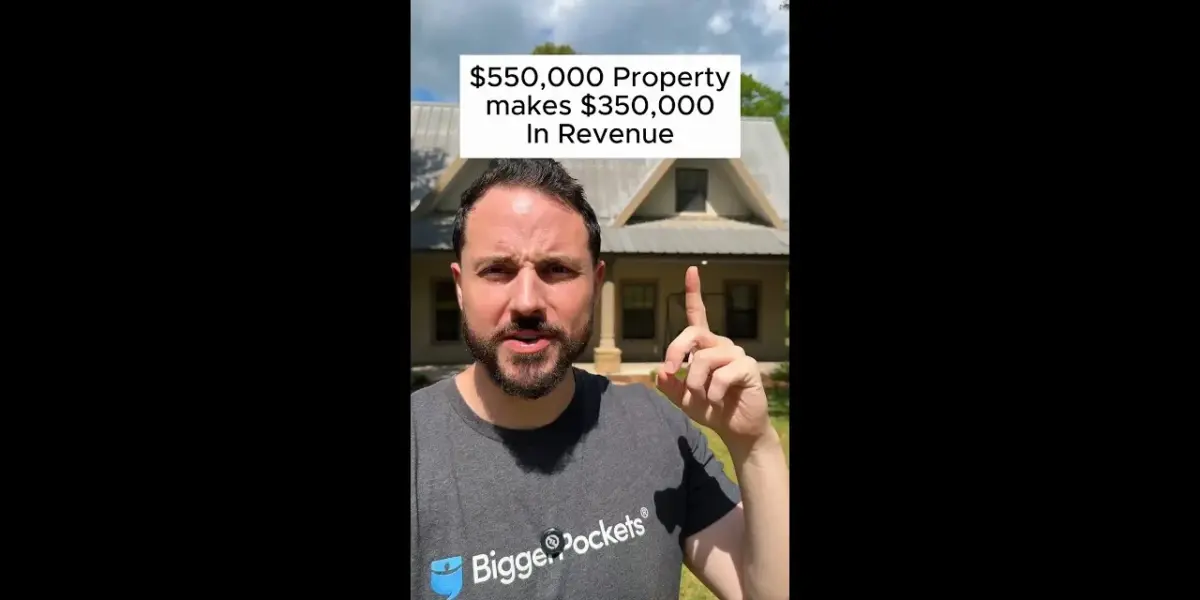
A $550K property generated $350K in revenue by strategically using the 60-30-10 land rule. This framework focuses on proximity to major cities, attractions, and amenities, alongside site suitability. It highlights potential for short-term rental success.

Unlock Rental Profits: The 60-30-10 Land Rule
A $550,000 property generated $350,000 in revenue last year, with projections hitting $450,000 this year. This success story comes from a piece of land many would overlook. It avoids traditional long-term rentals and HOA fees. This strategy works by following two simple rules: the 60-30-10 rule and the four S rule.
The 60-30-10 rule guides the location choice for profitable ventures. First, the property must be within 60 minutes of a major city. This ensures access to a large population and potential renters. Second, it needs to be within 30 minutes of a significant attraction. Think state parks, national landmarks, or popular tourist spots. This draws visitors looking for short-term stays. Finally, it must be just 10 minutes from basic amenities. This includes places like gas stations or discount stores, offering convenience to guests.
The Four S Rule for Site Selection
Beyond location, the four S rule helps evaluate the land itself. It asks four key questions to ensure the site is suitable and appealing. Does the property have a bad sound? Is there an unpleasant smell nearby? Does it offer a bad view? Most importantly, is there enough usable space?
If you have doubts about any of these factors, the land might not be the right choice for your project. This framework helps filter out potential problems before investing. For example, a beautiful piece of land next to a noisy highway might fail the ‘sound’ test. Similarly, land near a landfill would fail the ‘smell’ test. A property with limited space might not be suitable for building multiple units or offering desired amenities.
Understanding Investment Metrics
This approach often involves short-term rentals, like vacation homes. These differ from traditional long-term leases. Short-term rentals can offer higher potential income but also require more active management. Key financial concepts help investors understand the potential returns.
Gross Revenue is the total income earned before any expenses are deducted. In this case, $350,000 last year and an expected $450,000 this year are gross revenue figures. Expenses like property taxes, insurance, maintenance, and management fees would be subtracted from this to find the net profit.
Cash Flow is the money left over after all operating expenses and debt payments are made. Positive cash flow means the property is generating more income than it costs to run and service the loan. Investors aim for strong positive cash flow to ensure profitability. For instance, if a property generates $10,000 in revenue and has $6,000 in expenses and loan payments, it has a $4,000 monthly cash flow.
Capitalization Rate (Cap Rate) is a measure of a property’s profitability. It’s calculated by dividing the net operating income (income after expenses but before debt payments) by the property’s current market value. A higher cap rate generally indicates a better return on investment. For example, a property with $50,000 in net operating income and a $500,000 value has a 10% cap rate.
Loan-to-Value (LTV) ratio compares the loan amount to the property’s appraised value. A lower LTV means you have more equity in the property. Lenders often prefer lower LTVs. For example, a $400,000 loan on a $500,000 property results in an 80% LTV.
Broader Economic Influences
The housing market is influenced by many economic factors. Interest rates play a big role. Higher rates make borrowing money more expensive, which can cool demand. Inflation can increase building costs and operating expenses. Job growth in nearby cities can boost rental demand, especially for short-term rentals catering to business travelers or relocating individuals. The overall economic health of a region directly impacts real estate values and rental income potential.
Regional differences are significant. Areas with strong tourism or proximity to major business hubs often see higher demand for short-term rentals. Properties near national parks or popular vacation destinations can command premium rates. Conversely, areas with less economic activity or fewer attractions may struggle to attract renters. This strategy’s success is highly dependent on understanding the specific local market dynamics and traveler needs.
Buyers looking for vacation homes or investment properties should consider these location factors. Sellers in desirable areas might see increased interest from investors. Property owners who can adapt their land to meet the demand for short-term stays, following rules like the 60-30-10 framework, can unlock significant revenue potential.
Source: This $550K Property Made $350K (Here’s The Framework) (YouTube)

Related Articles


Florida Builders Flood Market, Prices Tumble
Florida's housing market is seeing a surge in new construction, leading to a significant increase in inventory and a drop in home prices. Buyers can find deals, but face the risk of future value declines. Careful negotiation and market analysis are crucial.


Renters Gain Power as New Supply Floods Market
A surge in new apartment construction is shifting power to renters, offering them more choices and negotiating leverage. Tenants face affordability challenges, leading to increased use of rent financing and roommates. Property owners grapple with rising expenses and increased marketing costs amidst this competitive landscape.


Markets Brace for Geopolitical Shifts
Geopolitical events, particularly those involving major global players, can significantly impact financial markets. Investors should monitor shifts in international relations, as they can influence oil prices, currency values, and stock market performance.