Epstein Files: Cover-Up Allegations Surround Bondi’s Exit
Pam Bondi's departure as Attorney General amid the Epstein files controversy has sparked claims of a cover-up. Critics argue her firing was a tactic to deflect attention, while legal challenges continue over the release of millions of unreleased files. Subpoenas for Bondi's testimony remain, suggesting the scrutiny is far from over.

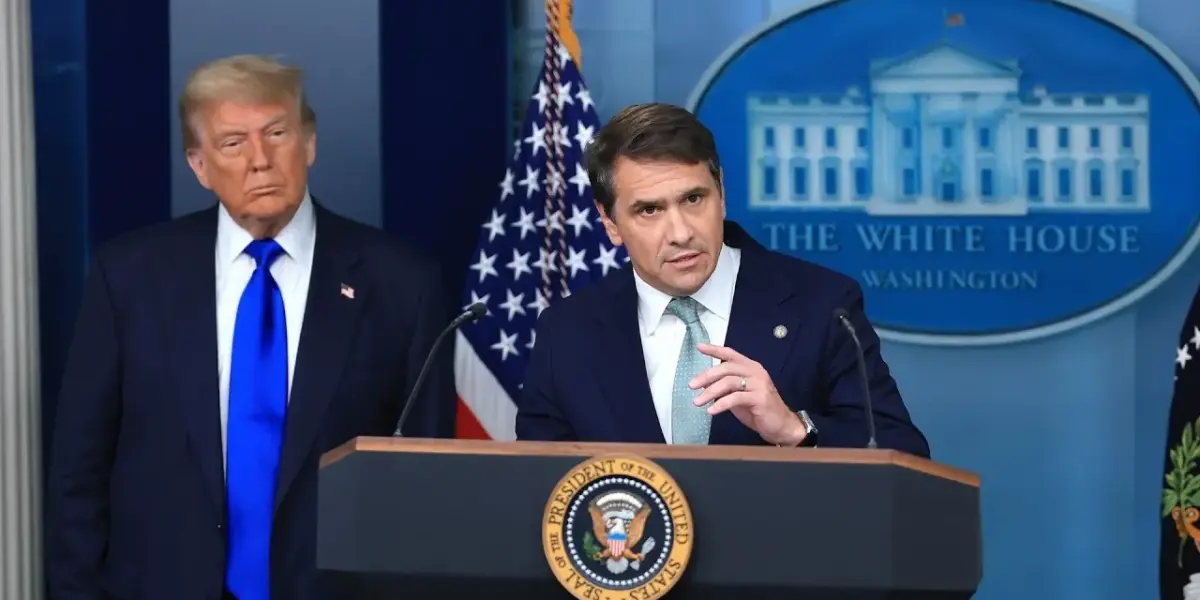
Epstein Files: Cover-Up Allegations Surround Bondi’s Exit
Recent events surrounding the Epstein files and the departure of Pam Bondi as Attorney General have sparked significant debate. Many observers found Bondi’s dismissal unusual, especially given her perceived loyalty to former President Trump. News emerging about the handling of the Epstein files has brought new perspective to these developments.
The Epstein Files Saga Continues
The Epstein files have been a major story for the past year. When the Transparency Act was signed, the Department of Justice began releasing information related to the case. Pam Bondi and others appeared before Congress to answer questions about the files. They offered lawmakers access to both redacted and unredacted documents.
However, critics argue that the process has not been transparent. The claim that the Department of Justice has released all relevant files is being challenged. Reports indicate that millions of files remain unreleased, raising questions about compliance with the Transparency Act.
The core issue seems to be whether the full scope of the Epstein files has truly been made public, or if this is a strategic move to shift blame and attention.
Bondi’s Departure and the ‘Bait and Switch’ Claim
Some believe that Pam Bondi’s firing was a calculated move. The idea is that she was made to bear the brunt of the negative attention from the Epstein saga. With her exit, the hope might have been that the controversy would simply fade away. This perspective suggests that Bondi was not acting independently but was following orders.
The argument is that removing Bondi was an attempt to create the illusion that the issue was resolved. This is described as a ‘bait and switch’ tactic. The administration is accused of believing that firing Bondi would make the Epstein drama disappear. The reality, according to this view, is that the problem has not been solved, and millions of files are still not public.
Subpoenas and Continued Scrutiny
Despite Bondi’s change in status, her legal obligations may remain. A subpoena for her testimony before the House Oversight Committee is reportedly still valid. This subpoena was issued by name, not by title, meaning it applies to Pam Bondi personally, regardless of her position.
Committee members have stated that the subpoena does not change based on her employment status. She is legally required to appear. The process to reverse such a subpoena would involve a formal vote by the committee, which may not gain enough support. This suggests that Bondi will likely still have to testify about what she knows regarding the handling of the Epstein files and any alleged cover-up.
Allegations of a Wider Cover-Up
The controversy extends beyond Pam Bondi. Allegations suggest a cover-up that reaches higher levels, potentially involving the President himself. Reports mention the former President’s name appearing thousands of times in the files. There are claims that law enforcement agencies may have been used to conceal involvement.
The strategy of removing Bondi is seen as an attempt to mask the true extent of the issue. Those who hold this view believe that the President is ultimately in charge, regardless of who holds specific positions. The ongoing release and withholding of information, along with alleged redactions of names, fuel these suspicions.
Historical Context and Future Outlook
This situation is being viewed through the lens of past political strategies. Some commentators draw parallels to previous administrations, suggesting a pattern of how power is wielded. The argument is that while some political parties may seek compromise, others may use power more assertively.
The lesson from these events, according to some analysts, is that a more aggressive approach may be necessary for accountability. They suggest that simply hoping for cooperation from opponents is not effective. Instead, a firm stance on demanding transparency and enforcing legal obligations, like subpoenas, is crucial.
Why This Matters
The handling of the Epstein files and the actions of public officials are critical for public trust. Transparency in investigations, especially those involving serious allegations, is paramount. The public has a right to know that the justice system operates fairly and without undue influence.
The ongoing scrutiny of these files and the legal processes involved highlight the importance of checks and balances within the government. Whether Pam Bondi testifies or not, the questions surrounding the Epstein case and its connection to powerful figures will likely persist. The outcome of these investigations and testimonies could have significant implications for accountability and the future of how such sensitive information is managed.
Implications and Future Trends
The events suggest a continued focus on accountability for those involved in the Epstein scandal. The legal battles over subpoenas and file releases are likely to continue. This could set precedents for how future investigations are conducted and how public officials respond to congressional oversight.
There is also a broader conversation about political strategy and the use of power. The differing approaches to governance and opposition are being debated. This discussion will likely influence how political parties strategize and interact in the future, particularly in high-stakes investigations.
Source: BREAKING: EXPLOSIVE Epstein update SURGES into news (YouTube)

Related Articles

Bondi’s Testimony: Jail Time or Truth?
Pam Bondi faces a critical decision regarding her testimony about Donald Trump. She could face contempt charges if she lies or obstructs, but telling the truth could help investigators and survivors find justice.

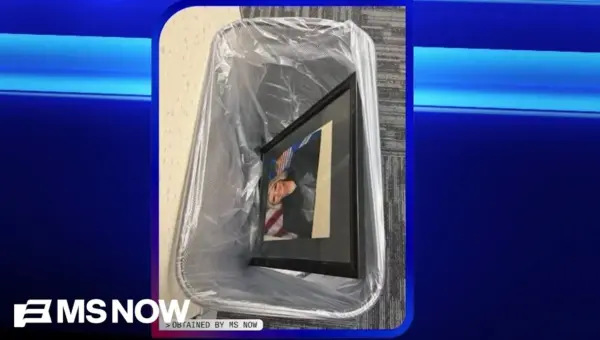
Pam Bondi’s DOJ Portrait Found in Trash, House Demands Testimony
Pam Bondi's DOJ portrait was found discarded in a trash bin, as House lawmakers demand her testimony regarding the handling of the Jeffrey Epstein files. Despite her departure from the Attorney General's office, a valid subpoena requires her appearance to explain the DOJ's actions and document withholding.


Trump Replaces Pam Bondi, Taps Todd Blanch as Acting AG
Pam Bondi has stepped down as Attorney General, with Todd Blanch named as the acting replacement. The departure is linked to the Epstein case and political pressures. Bondi is still expected to testify before a House committee.