Russia Stalls on Ukraine Front Lines, Escalates Air Attacks
Russia has failed to make significant territorial gains in Ukraine for the first time in 2.5 years, while simultaneously escalating aerial attacks. Ukrainian officials accuse Moscow of an "Easter escalation" using drones and missiles, leading to civilian casualties and destruction. Concerns also mount over shifting global focus and the need for continued international support.

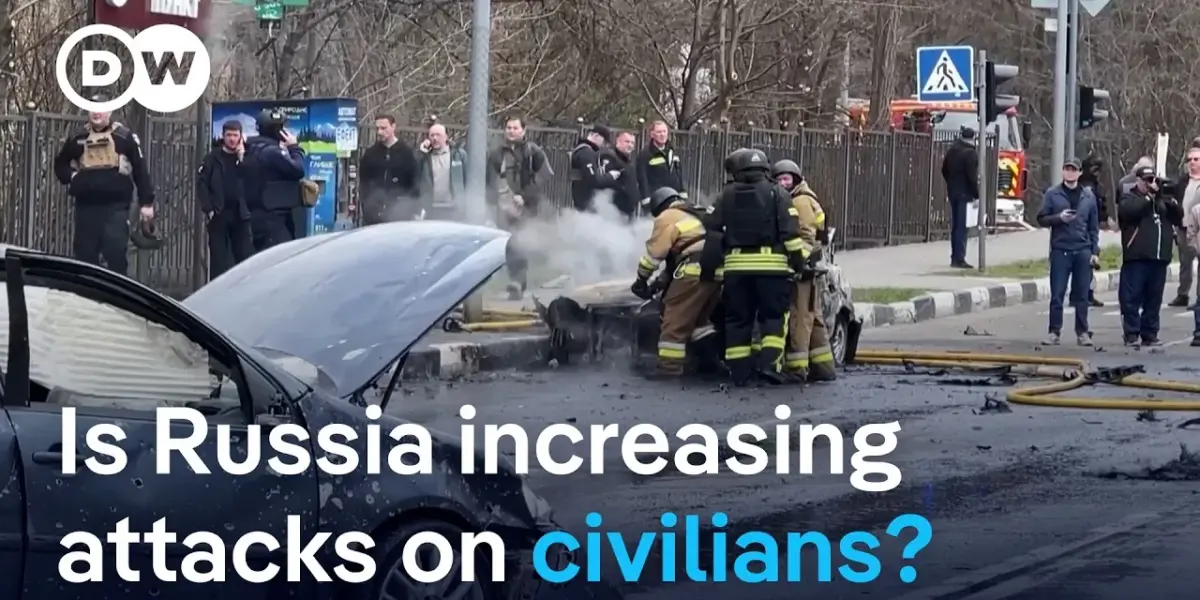
Russia’s Advance Halts Amid Intensified Aerial Assaults
For the first time in two and a half years, Russia has made virtually no territorial gains in Ukraine during the month of March. This significant halt in Russia’s advance comes as Ukraine reports recapturing lost ground and as Russia simultaneously intensifies its aerial attacks across Ukrainian cities. These strikes, increasingly conducted during daylight hours, have resulted in civilian casualties and widespread destruction, drawing accusations from Ukraine of an “Easter escalation” rather than a truce.
Easter Escalation: A Barrage of Drones and Missiles
In the days leading up to Easter, Ukraine has faced a relentless barrage of aerial attacks. On Friday, a salvo of over 500 drones and dozens of missiles left at least 10 people dead. Ukrainian President Volodymyr Zelensky accused Moscow of responding to Ukraine’s proposal for an Easter ceasefire with “Shahed drones and continuing terrorist operations against our energy sector, against our infrastructure.”
One particularly devastating attack struck a veterinary clinic in the Kyiv region in broad daylight, reportedly killing around 20 animals. The city of Khiv, located just 40 kilometers from the Russian border, has been a frequent target, experiencing shelling for consecutive days. Recent strikes in Khiv wounded 27 people one day and six more the following day, with one person later dying from their injuries.
Drones: A Double-Edged Sword
Ukrainian officials report that Russia is deploying Iranian-made Shahed drones, which are proving difficult for Ukraine’s air defense systems to intercept. These drones are part of a broader strategy that Kyiv believes aims to increase civilian suffering and target key infrastructure. Ukrainian forces are also employing their own drones, launching them deep behind enemy lines. This week, Ukrainian drones struck an oil refinery in the Russian Republic of Bashkortostan.
Stalled Advance: A Shift in Battlefield Dynamics?
Despite the intensified aerial assaults, military analysts note that Russia’s ground offensive has seemingly stalled. For the first time since the full-scale invasion began, Russia failed to achieve significant territorial gains in March. Kira Rudik, a member of the Ukrainian Parliament and leader of the Holos party, commented on this development, stating, “Russia is not invincible, and with enough help and support, with enough pressure to weaken Russia, we can regain our territories and we can actually win the war.”
Rudik acknowledged that Ukraine’s military is utilizing opportunities presented by sanctions weakening Russia, as well as disruptions to Russian communication networks. However, she cautioned against excessive optimism, noting that the influx of cash from lifted sanctions and oil price fluctuations could allow Russia to continue the war, recruit more soldiers, and manufacture more weapons. “Though we are obviously congratulating our military, I think we are not at the point where we should be extremely happy,” Rudik said.
Concerns Over Shifting Global Focus and Support
The war in Ukraine is increasingly competing for global attention with other international conflicts. Rudik expressed deep concern over statements from some international leaders, like former U.S. President Donald Trump, who have suggested that Ukraine is not their primary concern. “Obviously, people are really worried because we know that the support from the United States is critical for us, and securing the support of European partners is something that we desperately need to be able to continue fighting for our lives,” Rudik explained.
She highlighted the complex geopolitical situation, particularly the alliance between Russia and Iran. Rudik expressed dismay that some leaders do not seem to recognize the extent to which Russia and Iran are supporting each other, potentially putting their own forces in harm’s way. The short-term impact of this dynamic is detrimental to Ukraine, especially as it now must compete for air defense systems with other countries. Furthermore, Rudik pointed to the lifting of some sanctions on Russian gas and oil, which has provided Russia with a new influx of cash to fund its war efforts.
A Lingering Threat: Civilian Dangers and War Crimes
The conflict has now passed its 1500th day since the full-scale invasion began, with Russia continuing to commit war crimes and target civilians. Rudik described the devastating impact of attacks on civilian transport, including trains. “When this happens, the trains stop, and people get out just to the woods or to the fields whenever they are, and I experienced it myself, and I can tell you this is absolutely devastating when you’re in the middle of nowhere and you have to get out just with your passport to the middle of nowhere in any weather, when and you’re feeling absolutely terrified because you have nowhere to hide and you don’t know what’s going to happen,” she shared.
Ukraine’s proposal for an Easter truce, a holiday celebrated on April 12th in both Ukraine and Russia, has been met with skepticism. “Even if Russia agrees to sort of truce for the New Year or Christmas, they will definitely break it to create more havoc, to create more frustration and destruction,” Rudik stated. She urged continued caution, advising people to remain vigilant and listen to air raid sirens, even if a ceasefire agreement were in place, citing past experiences where Russia has broken such agreements.
Looking Ahead: Continued Resistance and Uncertain Support
As the war grinds on, Ukraine faces both the challenge of a stalled Russian ground offensive and the persistent threat of intensified aerial attacks. The nation’s ability to secure continued military and financial support from its international partners remains a critical factor in its defense. While March offered a glimmer of hope with Russia’s lack of territorial gains, the ongoing escalation of air strikes and the complexities of global alliances present significant challenges for Ukraine in the weeks and months ahead. The world watches to see if international resolve will strengthen or waver as the conflict enters a new, uncertain phase.
Source: Reports: Nearly no Russian territorial gains in Ukraine for first time in 2.5 years | DW News (YouTube)

Related Articles


Ukraine Strikes Russian Oil Hubs, Crippling Exports
Ukrainian strikes on Russian oil export terminals are crippling Russia's ability to sell oil, impacting its war funding. This strategy, supported by U.S. policy, targets Russia's core economy and exploits its limited storage capacity, potentially leading to long-term damage to its energy sector.

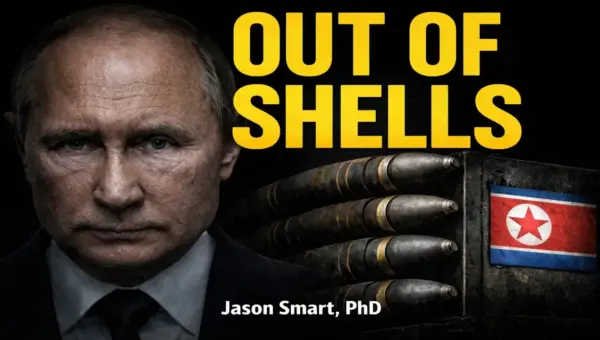
North Korea Sells Arms, Labor to Russia
Russia's reliance on North Korea for artillery shells and labor highlights Moscow's weakening military and economic position. Meanwhile, China leverages Russia's dependence for strategic gain, demonstrating a significant shift in regional power dynamics.

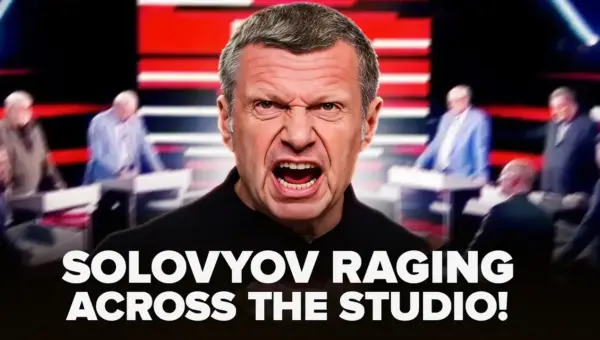
Kremlin Media Warns of Ukraine’s Long-Range Strikes
Russian state television is amplifying warnings about Ukraine's potential to strike deep into Russian territory with newly supplied long-range weapons. Prominent figures voice concerns over targeting key Russian sites, while historical narratives are selectively used to criticize European nations, particularly Germany. The media aims to foster domestic unity by framing dissent as treason and emphasizing perceived external threats from NATO.