Ukraine Strikes Russian Oil Hubs, Crippling Exports
Ukrainian strikes on Russian oil export terminals are crippling Russia's ability to sell oil, impacting its war funding. This strategy, supported by U.S. policy, targets Russia's core economy and exploits its limited storage capacity, potentially leading to long-term damage to its energy sector.


Ukraine Targets Russian Oil Infrastructure, Disrupting Global Markets
Recent Ukrainian drone and missile strikes on key Russian oil export terminals, including those in the Baltic and Black Seas, are significantly impacting Russia’s ability to sell its oil. These attacks, targeting facilities in Ust-Luga, Primorsk, and Novorossiysk, are forcing Russia to reduce its oil output. This strategy aims to cripple the financial backbone of Russia’s war effort and undermine its global energy influence.
Russia’s Declining Global Standing
The war in Ukraine has exposed Russia’s limitations as a global military power. Despite possessing nuclear weapons, Russia has struggled to achieve its objectives in Ukraine, even with its scaled-back goals in the Donbas region. The loss of access to Starlink satellite communication, now primarily available to Ukraine, further hampers Russian operations. Ukrainian forces are reportedly using evolving tactics to systematically degrade Russian capabilities, potentially preventing any significant spring or summer offensives.
Targeting the ‘Pro-State’ Economy
The strategy of targeting Russia’s oil sector is based on the idea that Russia functions as an economy dependent on oil revenue, often described as a “gas station masquerading as a state.” By disrupting its oil exports, Western allies aim to weaken Russia’s ability to fund its military actions both in Ukraine and in other regions like Africa and the Middle East.
This approach represents a shift from previous policies. While earlier efforts focused on price caps and managing a “shadow fleet” of oil tankers, the current strategy involves directly removing Russian oil from the market. The collaboration between Ukraine and the United States in these strikes is a key element. The strikes on oil refineries force Russia to increase exports from its ports. However, if these ports are incapacitated, Russia faces a critical problem.
The ‘Druzba’ System Under Threat
Russia lacks significant internal oil storage capacity. When export terminals are hit, the oil backs up into the Druzba pipeline system, reaching the oil fields. This forces Russia to slow down or shut off production. Historically, Russia has warned that shutting down these fields, especially in cold weather and given their age, could permanently damage them, making future recovery difficult. This vulnerability places the entire Russian oil sector in jeopardy.
Global Oil Market Dynamics
The global oil market, which was already oversaturated before the war, has allowed the U.S. and its allies to take Russian oil offline without causing drastic price increases. With significant amounts of oil already in storage or floating on water, the market can absorb the loss of Russian supply. The U.S. Strategic Petroleum Reserve releases have further stabilized the market. This situation gives the U.S. leverage in its energy policies, particularly concerning Iran and potentially impacting China’s energy sources.
Ukraine’s Boomerang Strategy
Ukraine’s targeting of Russian energy infrastructure is seen as a countermeasure to Russia’s own weaponization of energy. Russia previously cut gas supplies to Europe and engaged in an oil price war to undermine U.S. shale production. Now, Ukraine’s strikes on Russian energy facilities, coupled with Western sanctions and the seizure of Russian oil tankers, are putting Russia’s export capabilities at risk. This creates a reciprocal pressure on Russia to reconsider its actions.
Historical Precedents
Russia’s attempts to use energy as a weapon are not new. During the COVID-19 pandemic, Russia initiated an oil price war aimed at crippling American fracking operations. In another instance, Russia reduced gas supplies to Europe in 2021, anticipating a full-scale invasion and hoping to force European reliance on Russian energy.
Broader Geopolitical Impact
The coordinated efforts to disrupt Russian oil exports have significant geopolitical implications. They weaken Russia’s economic power, limiting its ability to project influence globally. Furthermore, this strategy strengthens the energy dominance of the United States and its allies, potentially placing countries like China in a difficult position regarding their energy security.
Source: 😱Putin having problems with his own supporters. A conspiracy is being prepared in Kremlin (YouTube)

Related Articles

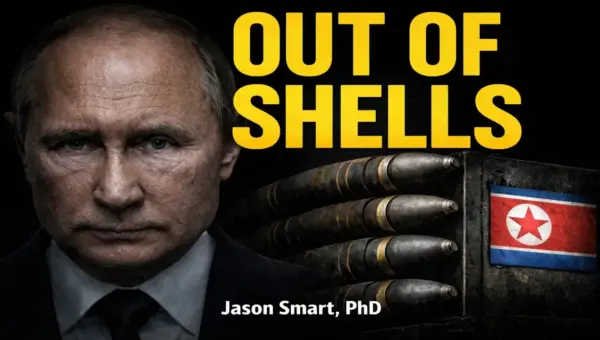
North Korea Sells Arms, Labor to Russia
Russia's reliance on North Korea for artillery shells and labor highlights Moscow's weakening military and economic position. Meanwhile, China leverages Russia's dependence for strategic gain, demonstrating a significant shift in regional power dynamics.
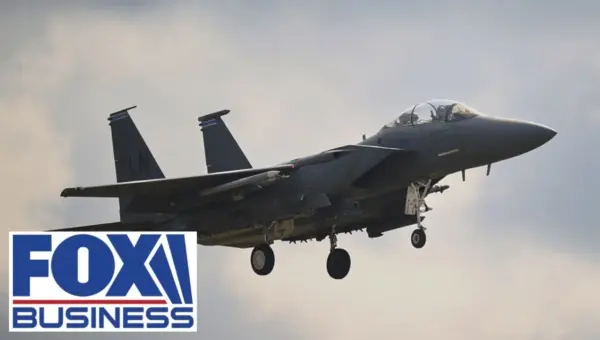
Iran Downs US F-15; One Pilot Rescued, Second Missing
A U.S. F-15 fighter jet has been shot down over Iran, with one pilot rescued and a search underway for the second. Iran is leveraging the incident for propaganda purposes, while the U.S. prioritizes the rescue mission.


Kremlin Media Warns of Ukraine’s Long-Range Strikes
Russian state television is amplifying warnings about Ukraine's potential to strike deep into Russian territory with newly supplied long-range weapons. Prominent figures voice concerns over targeting key Russian sites, while historical narratives are selectively used to criticize European nations, particularly Germany. The media aims to foster domestic unity by framing dissent as treason and emphasizing perceived external threats from NATO.