US Fighter Pilot Rescued, Second Missing After Jet Downed
One U.S. fighter pilot has been rescued after their jet crashed in potentially hostile territory, but a second crew member remains missing. A swift search and rescue operation is underway, facing significant challenges in enemy airspace. The incident highlights the military's commitment to not leaving personnel behind, even in high-risk situations.

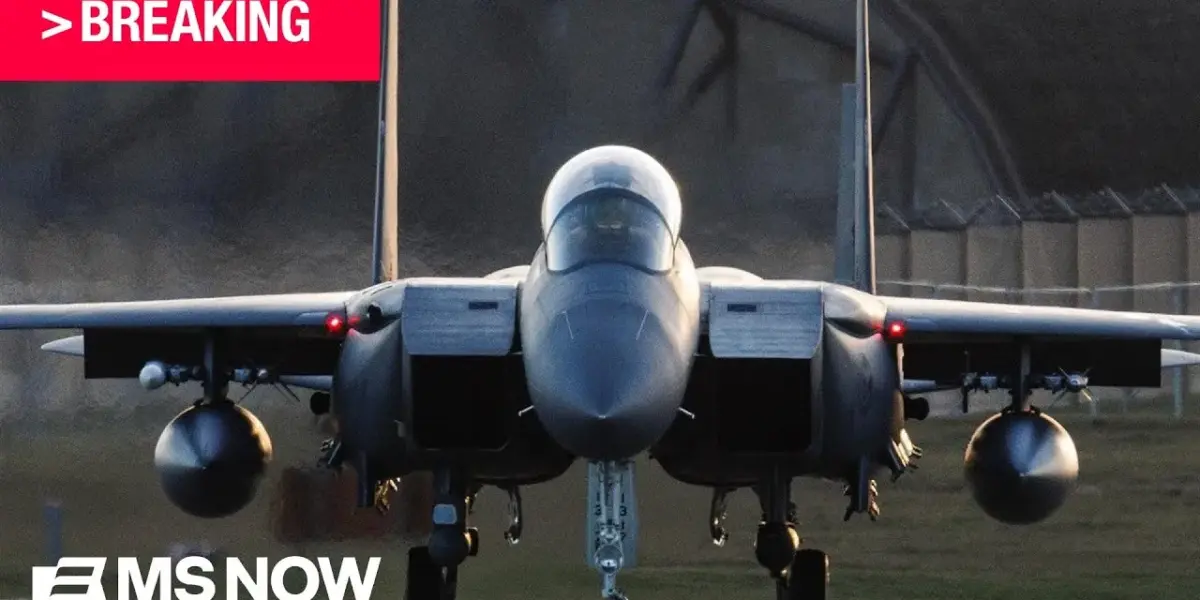
One Pilot Safe, Search Continues for Missing Crewman After Jet Crash
A United States fighter jet crashed, and one of its pilots has been rescued. The second crew member remains missing. The incident occurred in potentially hostile territory, raising immediate concerns about the safety of the pilots. U.S. officials have launched a swift search and rescue operation. This mission is happening under difficult circumstances, as incentives are reportedly being offered to local populations to find and turn in any downed airmen.
Efforts Underway to Locate Missing Pilot
Former Secretary of Defense Leo Panetta emphasized the military’s core principle: “You do not leave people behind.” He confirmed that every possible effort is being made to rescue both pilots. “I’m sure there’s a search mission going on, a rescue and search mission that’s going on right now as we speak, trying to determine where they are and whether or not we can locate them and then to do everything we can to try to rescue them,” Panetta stated. He acknowledged the extreme risks involved, noting that any search and rescue efforts could be targeted by enemy forces.
Challenges in Hostile Territory
Conducting a rescue in enemy territory presents significant challenges. Panetta explained that intelligence about the adversary’s capabilities is crucial but often incomplete. “We really don’t have the kind of intelligence and information about the capabilities that they do have,” he said. This means U.S. forces cannot assume complete air superiority or overwhelming force. There is a real possibility that enemy patrols are actively searching for the downed pilots.
Panetta warned against underestimating the enemy’s ability to respond. However, he also affirmed that the U.S. possesses overwhelming capabilities. The search and rescue teams are highly trained and specialized. They must move quickly, as speed is critical to locating and extracting the pilots. The operation could require significant military resources to ensure the safety of the rescue teams and the pilots.
Pentagon Communications and Strategy
Discussions at the Pentagon are focused on gathering immediate intelligence. This involves utilizing all available assets, such as drones and satellite imagery, to understand the situation on the ground. “We’ve got to gather quick and immediate intelligence. What does that intelligence tell us? And then based on that intelligence, you have to quickly develop an operation that goes in and accomplishes the principal objective, which is not to leave any of our pilots,” Panetta explained. The primary goal is the safe return of the crew members.
Context: Pentagon Leadership Shake-up
This incident occurs amidst a period of significant change at the Pentagon. Recent reports indicate growing friction between Secretary of Defense Hagel and the Army’s leadership. Specifically, the Army’s Chief of Staff, General Randy George, was reportedly dismissed. While this internal situation is not expected to impact the rescue efforts, it raises broader questions about military readiness and leadership during wartime.
Panetta commented on the potential impact of such leadership disputes. “It creates risks and questions about our ability to operate,” he stated. While expressing full confidence in the military’s capabilities, he suggested that undermining leadership during a crisis can weaken response times and effectiveness. “If you’re moving the leadership around at a time of crisis, you’re basically weakening your ability to be able to respond quickly with a great deal of experience,,” he noted.
Second Pilot’s Status Uncertain
The rescue of one pilot offers a glimmer of hope, suggesting that U.S. forces had good intelligence on that individual’s location. However, the status of the second pilot remains uncertain. The term “DUSTWUN” (Duty Status Whereabouts Unknown) indicates that the pilot’s location is not known, and their survival is not confirmed. This raises concerns, especially if the second pilot is not in the same area as the first.
Officials have stated there is no current reason to believe the second service member has been captured. However, Panetta cautioned that certainty is difficult to achieve in such situations. “If the Iranians haven’t in fact captured them, they’re going to hold that pretty tight to make sure that it doesn’t leak and that they then make maximum propaganda use of that individual,” he explained. The reality on the ground is known only to those directly involved, making intelligence gathering and operational execution extremely challenging.
Looking Ahead
The focus remains on the ongoing search for the missing pilot. Continued intelligence gathering and swift, decisive action will be critical. The situation underscores the inherent dangers faced by military personnel operating in hostile environments and the complex challenges of search and rescue missions. The world will be watching closely as efforts continue to bring the second pilot home safely.
Source: BREAKING: One pilot of downed U.S. fighter jet rescued, second crew member still missing (YouTube)

Related Articles
Iran Downs US F-15; One Pilot Rescued, Second Missing
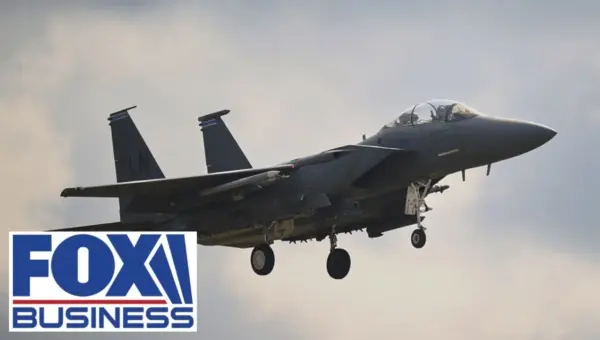
A U.S. F-15 fighter jet has been shot down over Iran, with one pilot rescued and a search underway for the second. Iran is leveraging the incident for propaganda purposes, while the U.S. prioritizes the rescue mission.
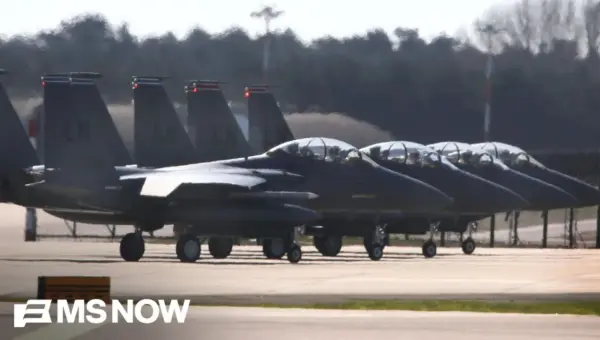
US Scours Iran for Downed F-15 Crew
A U.S. F-15 fighter jet has crashed in Iran, triggering an intense search and rescue mission. The crew, trained in survival techniques, is being sought by specialized teams. The incident raises concerns about the crew's safety and potential political leverage for Iran if captured.
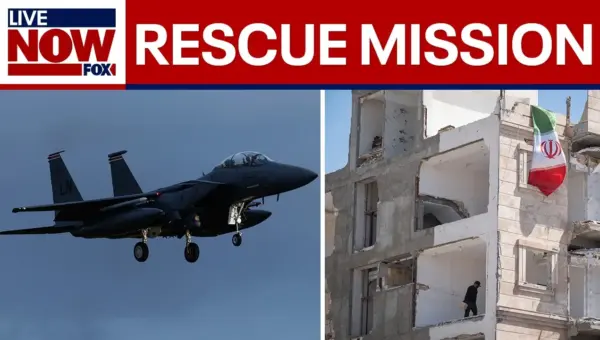
US Jet Downed in Iran: One Pilot Rescued, Search Continues
A US F-15 fighter jet has crashed in Iran, leading to a large-scale rescue operation. One pilot has been rescued, but an intense search continues for a second crew member. The incident occurred in a challenging mountainous region, and the cause of the crash is still under investigation.