China Fuels Deadly ‘Rhino Tranquilizer’ Drug Surge
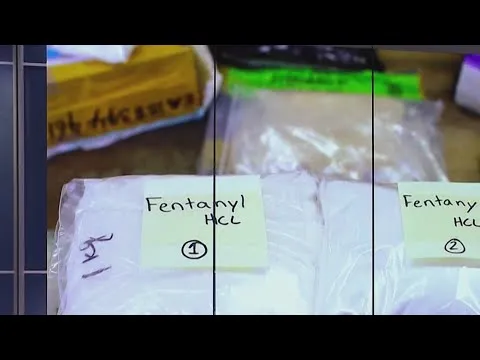
A dangerous new drug combination, 'Rhino Tranq,' mixing fentanyl with a veterinary sedative, is surging across the U.S. Sourced from China and distributed by cartels via Mexico, this potent mix is 1150% more prevalent than three years ago, posing a severe national security and public health threat.

China Fuels Deadly ‘Rhino Tranquilizer’ Drug Surge
A potent new drug combination, mixing fentanyl with a powerful veterinary sedative, is rapidly spreading across the United States. Federal officials report a staggering 1150% increase in detections of this dangerous mix, known on the streets as ‘Rhino Tranquilizer’ or ‘Rhino Tranq,’ over the past three years. This evolving drug crisis is not just about fentanyl anymore; it’s about fentanyl being amplified, creating an even deadlier threat for users and a significant challenge for law enforcement.
What is ‘Rhino Tranq’?
The key ingredient amplifying fentanyl’s danger is medetomidine, a sedative typically used by veterinarians to calm animals. When mixed with illicit opioids like fentanyl, it creates a substance with intense tranquilizing effects. This combination, dubbed ‘Rhino Tranq,’ makes the high much stronger. However, it also makes the drug far more unpredictable and dangerous. Overdoses involving Rhino Tranq are also harder to reverse because, unlike traditional opioids, medetomidine doesn’t fully respond to naloxone, the overdose-reversal drug commonly known as Narcan.
The Global Pipeline: China to Mexico to the U.S.
Federal officials point to a familiar global supply chain fueling this crisis. The precursor chemicals needed to make medetomidine are largely sourced from China. These chemicals are then sent to Mexico, where sophisticated criminal organizations, often referred to as ‘super labs,’ produce the drug. From Mexico, the finished product is distributed by powerful drug cartels into the United States, and increasingly, into Europe and Canada as well.
“The chemical right. They don’t care the substance that they’re cutting these other drugs with. They’re just going do whatever is readily available and who’s providing this availability of these precursors its China.”
— Victor Avila, quoted in NewsNation Live
Cartels use medetomidine not only to increase the potency of their drugs but also to stretch their supply. A single kilogram of fentanyl can be mixed with the sedative to create millions of doses. This practice makes each dose more unpredictable and significantly increases the risk of overdose. Law enforcement views this as the next phase of the drug crisis, a national security issue that requires constant adaptation.
Why This Reshapes the World Order
The rise of ‘Rhino Tranq’ highlights several critical geopolitical and economic factors. Firstly, it underscores the deep connection between global chemical manufacturing, primarily in China, and the international drug trade. China’s role as a major producer of precursor chemicals, which are often dual-use (meaning they can be used for legitimate industrial purposes as well as illegal drug production), presents a complex challenge for international cooperation. While China has taken steps to control some illicit substances, the sheer volume of chemical production makes complete oversight difficult.
Secondly, the continued reliance on Mexican cartels demonstrates their adaptability and persistent influence. Despite increased efforts to combat drug trafficking, these organizations demonstrate an ability to source new chemicals and develop more potent drugs. Their operations are a direct challenge to the sovereignty and public health of nations like the United States, Canada, and European countries.
Thirdly, the drug crisis is increasingly being framed as a national security threat. The sheer number of potential overdose deaths, coupled with the challenges in reversing them, strains public health resources and can destabilize communities. The administration’s efforts to seize counterfeit pills are significant, but the cartels are constantly innovating, developing new and more dangerous substances.
Historical Context and Economic Leverage
The current situation builds on decades of international efforts to combat the flow of illicit drugs. Treaties and international agreements have long sought to control the production and distribution of narcotics. However, the globalized economy and the ease of chemical transfer present ongoing hurdles. Sanctions and interdiction efforts have historically targeted drug kingpins and their financial networks. Yet, the cartels have proven resilient, often adapting by finding new supply routes or developing new products.
Economic leverage plays a crucial role. The demand for cheap, potent drugs in consumer nations creates a powerful economic incentive for criminal organizations. The production of precursor chemicals in countries like China, often driven by cost-effectiveness, creates a dependency that fuels the illegal drug trade. Interdicting these chemicals or imposing sanctions on manufacturers can be complex, potentially impacting legitimate industries and requiring extensive international coordination.
Future Scenarios
Several future scenarios are possible. One is continued adaptation by cartels, leading to the introduction of even more dangerous substances or novel delivery methods. This would require ongoing, adaptive responses from law enforcement and public health agencies. Another scenario involves increased international cooperation, particularly with China, to tighten controls on precursor chemicals. This could be driven by mounting pressure from consumer nations and a shared recognition of the global threat.
A third possibility is a shift in demand within the U.S., perhaps driven by successful prevention and treatment programs, which could reduce the market for these dangerous drugs. However, given the current trends and the cartels’ ability to adapt, the most likely scenario involves a continuous cat-and-mouse game, with criminal organizations introducing new threats and authorities working to counter them. The focus will likely remain on disrupting the supply chain, from chemical producers to cartel distributors, while also addressing the demand side through public health initiatives.
Source: Cartels use animal sedative to supercharge fentanyl | NewsNation Live (YouTube)

Related Articles


China’s Global Reach Faces Setbacks Amidst Internal Turmoil
China's international influence is facing growing opposition and internal challenges. From strategic island disputes and diplomatic overtures towards Taiwan to domestic unrest and technological failures, Beijing's global ambitions are encountering significant setbacks. These events signal a complex geopolitical landscape where China's power is being tested on multiple fronts.

China Benefits as Iran Conflict Disrupts Global Oil
China is emerging as a potential winner from the ongoing conflict in the Middle East, largely due to its strategic energy reserves and diverse power sources. While global oil prices surge, China's economy remains relatively shielded, allowing it to pursue its geopolitical goals and test the global reach of its currency.


China’s Auto Parts: A Security Risk for America?
A new bill proposes to restrict Chinese auto parts and vehicles in the U.S., citing concerns over quality and data security. Experts suggest this could boost American jobs but might also increase costs for consumers. The debate highlights the growing tension between global trade and national interests.