AI Revolutionizes Iran Conflict: A New Era of Intelligence?
The Iran conflict is emerging as a historic turning point in intelligence gathering, with agencies like Mossad and the CIA heavily integrating artificial intelligence. While AI enables rapid targeting and analysis, a catastrophic school bombing highlights the risks of relying on outdated data without sufficient human oversight. Experts stress that human analysts remain crucial for ethical decision-making and verifying AI-generated intelligence.

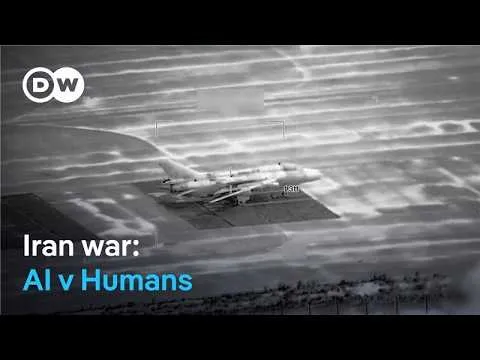
AI Revolutionizes Iran Conflict: A New Era of Intelligence?
The ongoing conflict in Iran has become a pivotal moment in how intelligence agencies operate, marking a significant shift towards the integration of artificial intelligence. Experts suggest this conflict is potentially the first “AI intelligence war,” where traditional human intelligence is being augmented, and in some cases, replaced by AI-driven data analysis and decision-making. This new approach is dramatically accelerating the pace of operations and raising complex ethical questions about accountability and the role of human judgment.
Mossad and CIA’s AI-Powered Operations
For decades, Israel’s Mossad and the United States’ CIA have been recognized globally for their prowess in gathering information, identifying targets, and executing missions. Now, according to Akash Manri Gowami, a doctoral candidate at the University of Oxford specializing in intelligence diplomacy, these agencies are heavily relying on vast amounts of data, both classified and unclassified. These data streams are processed through advanced AI platforms, enabling rapid identification of targets and execution of strikes at an unprecedented speed and scale.
Gowami highlights the assassination of Ayatollah Ali Khamenei early in the war as an example. Evidence suggests this operation combined human intelligence on the ground, providing real-time imagery for validation, with AI’s analytical capabilities. Mossad was also reported to have successfully hacked into Tehran’s CCTV camera network, an extraordinary intelligence feat that underscores their technological advancements.
The Risks of AI in Warfare: A Catastrophic Error
However, the reliance on AI is not without its dangers. The bombing of an elementary school in Minab, which resulted in the deaths of at least 175 people, mostly children, is cited as a catastrophic outcome of AI-selected targeting. Preliminary findings indicate that Palantir’s Maven smart system may have used outdated intelligence from a U.S. military database. This database reportedly classified the school as a military base from decades prior, leading to the tragic misidentification.
This incident vividly illustrates the risks associated with AI systems that might operate on flawed or outdated information. Gowami points out that while AI has granted tactical advantages, there appears to be a decline in “human-in-the-loop” activity. This means fewer human operators are involved in verifying AI-generated data, potentially leading to errors in judgment based on intuition and real-world context.
Human Analysts Remain Crucial
Despite the advancements in AI, Gowami emphasizes that human analysts remain the “heart and soul” of intelligence work. While AI can help cut costs and increase efficiency, human analysts are essential for gauging the accuracy and legitimacy of targets. Their intuition and ability to understand context are vital for distinguishing between correct and false intelligence, and between legitimate and illegitimate targets.
The pressure to reduce budgets might be pushing intelligence agencies towards greater AI adoption. However, the question remains whether prioritizing cost savings over human oversight can truly save lives in the long run. The conflict in Iran serves as a stark reminder that AI, while powerful, lacks the capacity for human empathy or ethical reasoning.
Iran’s Internal Struggles and Diminished Counter-Intelligence
The conflict has also severely impacted Iran’s internal security and counter-intelligence capabilities. The country is under constant pressure from operations carried out by Mossad and its allies. Senior Hamas leaders and Iranian regime officials have been assassinated on Iranian soil, often through sophisticated methods like suitcase bombs planted in safe houses. These clandestine operations have led to a widespread hunt for informants and moles within Iran’s security services.
This internal paranoia and the erosion of trust within its own services slow down and weaken Iran’s decision-making processes at all levels of government. This is precisely the outcome Mossad aims to achieve, creating an environment of suspicion and inefficiency.
The Future of Intelligence: Human-AI Fusion or Isolation?
The ongoing war in Iran highlights a complex interplay between human intelligence and AI. While AI offers speed and scale, the Minab school bombing serves as a cautionary tale about its potential for error. The conflict has also made traditional back-channel dialogue between adversaries more difficult, as Iranian officials may view any engagement with U.S. or Israeli counterparts as an act of treason, punishable by death.
Historians may look back at the 2026 Iran war as the moment when the lines between human and machine intelligence blurred. The challenge now is to find ways to integrate human input effectively into AI-driven decision-making processes. As the world seeks peace, the question remains whether humans, capable of empathy and trust, can overcome their suspicions to prevent further catastrophe, or if AI, devoid of such qualities, will increasingly dictate the course of conflicts.
Source: What role is artificial intelligence playing in the Iran conflict? | DW News (YouTube)

Related Articles

Iran Conflict Escalates: Infrastructure Attacks Spark Global Economic Fears
The conflict in Iran has escalated dramatically, with the U.S. targeting critical infrastructure like bridges. Iran is retaliating by attacking energy assets in the Gulf. This "infrastructure warfare" risks severe global economic consequences, including soaring oil prices and increased inflation.
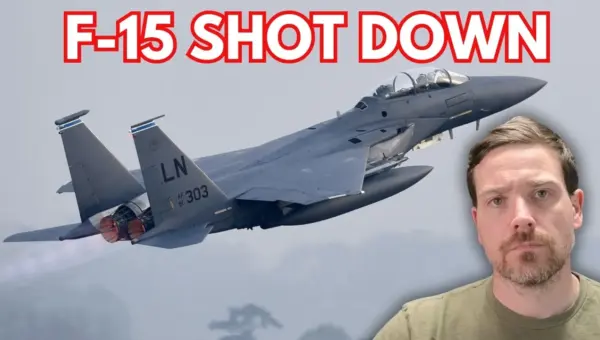
US Jet Downed in Iran: Stakes Skyrocket for Captured Crew
A US F-15 jet shot down over Iran raises tensions, with search efforts underway for the two crew members. The incident could become a major propaganda win for Iran if the crew is captured, potentially altering the war's outcome and public opinion.
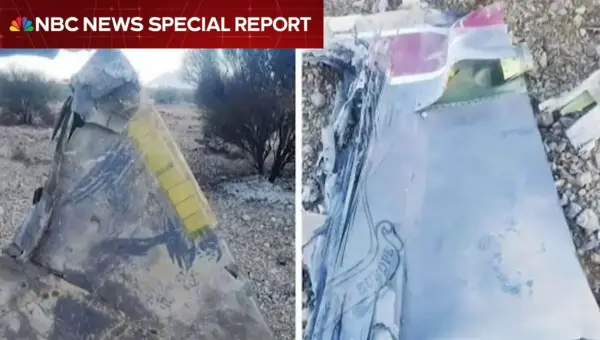
US Fighter Jet Crashes in Iran; Rescue Mission Underway
A U.S. F-15 fighter jet crashed inside Iran on Friday, prompting an urgent search and rescue mission. U.S. officials confirmed the incident, while Iranian state media reported the downed aircraft and offered a reward for the capture of the crew. The White House has been briefed, and the event raises questions about the ongoing U.S. military operations and potential escalation.