US Scours Iran for Downed F-15 Crew
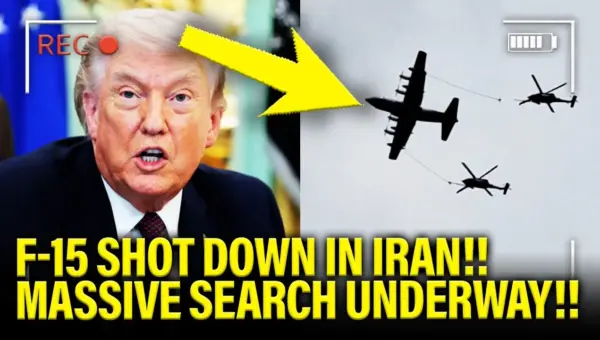
A U.S. F-15 fighter jet has crashed in Iran, triggering an intense search and rescue mission. The crew, trained in survival techniques, is being sought by specialized teams. The incident raises concerns about the crew's safety and potential political leverage for Iran if captured.

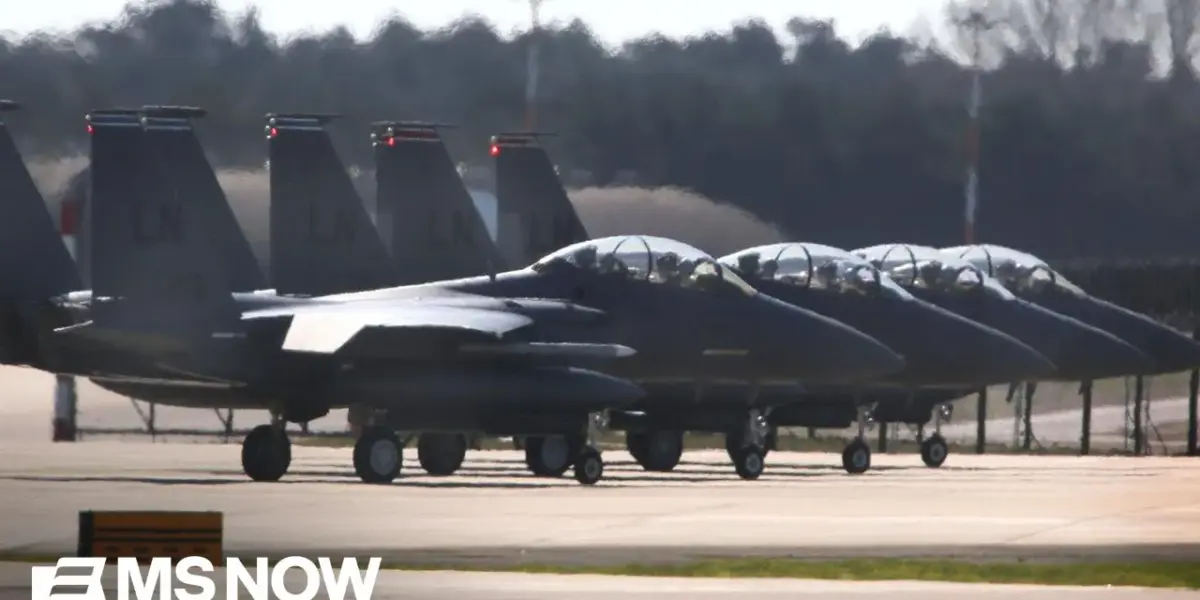
US Launches Rescue Mission for F-15 Crew Downed in Iran
A U.S. F-15 fighter jet has gone down in Iran, sparking an urgent search and rescue operation. Military officials confirmed the incident, with specialized teams now working to locate and retrieve the crew. The operation highlights the inherent dangers of military flight and the rigorous training involved in surviving behind enemy lines.
Intensive Survival Training for Pilots
Pilots like those in the downed F-15 undergo extensive survival training known as SERE school. This program teaches essential skills for staying alive after being forced down in hostile territory. Participants learn how to hide, find food and water, and evade enemy forces. They also learn how to connect with friendly locals or partisan groups.
This training dates back to the Vietnam War, born from the need to help pilots shot down over North Vietnam. A famous special forces officer, Colonel Nick Rowe, who escaped captivity after being held for years, inspired the creation of the school. SERE training aims to prepare individuals for the worst-case scenarios, ensuring they have the knowledge to survive and resist capture.
The ‘Bloodshed’ Card: A Lifeline for Lost Pilots
Downed pilots may carry a ‘bloodshed’ card. This is a document with various languages printed on it. It helps pilots communicate their identity and their need for assistance to sympathetic locals. They can point to the card if they cannot speak the local dialect. It also states they will be rewarded for their help.
Assessing Danger and Evading Capture
Assessing who might be friendly and who is not is a critical and difficult part of survival. Pilots are trained to evaluate situations quickly. Before any mission, they receive detailed intelligence briefings about the area they will be flying over. This information helps them understand the ground situation in case of an emergency.
The primary goal after being downed is evasion. This means avoiding local patrols and security forces. Pilots learn various evasion techniques. If captured, they are trained to resist interrogation. They must adhere to a strict code of conduct, which they memorize before deployment. Escaping captivity, if possible, is considered a duty.
Rescue Mission Protocols and Dangers
As soon as word of a downed aircraft is received, a complex rescue mission is activated. A flying command center, likely with an on-scene commander, coordinates the operation. This command aircraft often supports search and rescue helicopters with aerial refueling.
Specialized aircraft can fly low to spot the crew. Close air support is available to counter any Iranian units that appear. Pararescuers, highly trained in combat search and rescue, may be deployed. They can parachute in or be lowered from helicopters. These rescuers are equipped to hoist individuals to safety from the ground.
The downed pilots themselves are likely equipped with survival technology. This includes locator beacons to signal their position. They also have radios, though using them carries risks. Transmitting a radio signal could help the enemy pinpoint their location. Pilots may also carry small arms for self-defense in close combat situations.
Risks for Rescuers
Rescue missions are inherently dangerous. While the rescue teams are the best in the world, they face significant risks. The aircraft used for rescue, such as tiltrotor Ospreys or specialized helicopters, are not as fast or maneuverable as fighter jets. They often fly at lower altitudes, making them more vulnerable.
Even with advanced electronics and jamming capabilities to counter enemy radar and anti-aircraft systems, there are limitations. Locator beacons help pinpoint the crew’s position, but this information could also be used by the enemy. The danger is amplified if the enemy reaches the crew before the rescue team does.
Political Ramifications of Capture
If the F-15 crew is captured and becomes prisoners of war, it would give Iran significant leverage. This would complicate the U.S. narrative of degrading Iranian military capabilities. The possibility of Iran still possessing effective anti-aircraft systems would challenge claims that the threat has been neutralized.
The situation also raises concerns about potential U.S. military action against Iran while American personnel are behind enemy lines. The Geneva Conventions outline the rights of prisoners of war, including their safety and well-being. Whether Iran would abide by these conventions is uncertain. However, captured personnel would undoubtedly become a major bargaining chip for Iran in any future negotiations.
What’s Next
The immediate focus remains on the safe recovery of the F-15 crew. All eyes will be on the progress of the search and rescue operation and any developments regarding the crew’s status. The political and military implications will continue to unfold depending on the outcome of this critical mission.
Source: U.S. conducting search for crew of F-15 downed in Iran (YouTube)

Related Articles
Iran Strikes Target Infrastructure: Gulf States Fear Escalation
Iran's retaliatory strikes on critical infrastructure, including a Kuwaiti desalination plant, have heightened fears across Gulf states. Expert Kaman Matin explains Iran's strategy of targeting civilian and economic assets in response to attacks, while Gulf nations brace for potential escalation. The situation remains tense, with diplomatic efforts struggling to find a path to de-escalation.
Iran Downs US Jet, Exposing Global Power Shifts
An F-15E jet shot down over Iran sparks a rescue mission and highlights global power shifts. Allies question U.S. predictability while domestic debates rage over military spending. This incident underscores complex regional tensions and evolving international dynamics.
US Jet Downed in Iran: One Pilot Rescued, Search Continues
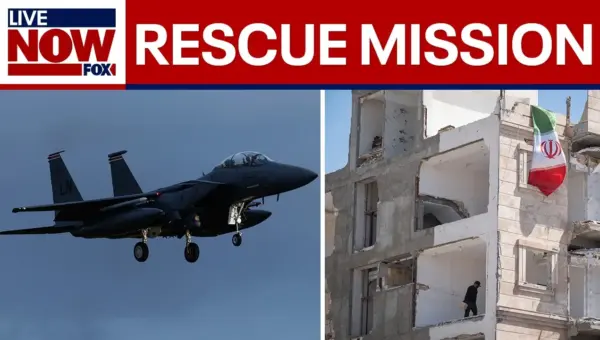
A US F-15 fighter jet has crashed in Iran, leading to a large-scale rescue operation. One pilot has been rescued, but an intense search continues for a second crew member. The incident occurred in a challenging mountainous region, and the cause of the crash is still under investigation.