Iran Conflict Escalates: Infrastructure Attacks Spark Global Economic Fears
The conflict in Iran has escalated dramatically, with the U.S. targeting critical infrastructure like bridges. Iran is retaliating by attacking energy assets in the Gulf. This "infrastructure warfare" risks severe global economic consequences, including soaring oil prices and increased inflation.

Iran Conflict Intensifies, Targeting Infrastructure Raises Global Economic Alarms
The conflict in Iran has dramatically escalated over the past 24 hours, moving beyond military targets to include critical infrastructure. This development presents serious risks to the global economy, with analysts warning of a potential widening of the conflict and significant market reactions.
US Strikes Key Bridge, Signals Broader Strategy
In a significant shift, U.S. forces have reportedly destroyed a major bridge in Iran. President Trump confirmed the action on Truth Social, stating, “We took out the bridge and it will not be rebuilt.” This statement, coupled with a warning that “Much more to come,” suggests a new strategy is unfolding. Future targets may include power stations and water desalination facilities.
Targeting infrastructure like bridges and power grids disrupts a nation’s ability to function. It cripples transportation, halts industrial activity, and can impact civilian life. This tactic, often called infrastructure warfare, historically leads to further conflict rather than peace.
Iran Retaliates, Gulf Region Energy Assets Targeted
Iran has not backed down. The nation has responded by increasing its own actions, launching attacks on oil and energy infrastructure in the Gulf region. Multiple drone interceptions have occurred over Saudi Arabia, and Iran has threatened to target Western-linked economic and industrial assets.
This exchange represents a classic escalation cycle. One side targets infrastructure, and the other retaliates by striking economic assets. The situation is spiraling, making the Strait of Hormuz a critical global chokepoint.
Strait of Hormuz: A Vital Global Lifeline Under Threat
The Strait of Hormuz is one of the world’s most important waterways. Approximately 20% of the global supply of oil and natural gas passes through this narrow passage daily. Any disruption here has immediate and severe consequences for energy markets and the world economy.
While some ships are attempting to navigate the strait or use alternative routes along the Oman coast, the risks remain extremely high. Operating in a war zone means vessels face threats from missiles, drones, and naval mines. A single major incident, like a tanker or container ship being hit, could shut down the route instantly.
Market Turmoil: Oil Surges, Inflation Fears Mount
Global markets are reacting strongly to the escalating tensions. Oil prices have surpassed $110 per barrel, and diesel prices have surged to an alarming $200 per barrel. In Europe, gas prices have more than doubled since the conflict began. Shipping insurance costs have also spiked dramatically.
This situation creates what economists call a supply shock. It means higher prices for essential goods and services, directly fueling inflation while simultaneously slowing economic growth. This is a difficult scenario for central banks and governments trying to manage the economy.
Legal Questions Arise Over Infrastructure Attacks
Concerns are growing about the legality of targeting civilian infrastructure under international law. The Geneva Conventions set strict rules for wartime conduct, especially regarding facilities essential for civilian life. Attacking such infrastructure without a direct military purpose could be deemed unlawful, particularly if it causes significant harm to civilians.
Questions are being raised about whether these actions could be classified as war crimes. If this narrative gains international traction, it could lead to significant political and diplomatic consequences, potentially altering alliances and the conflict’s dynamics.
What Investors Should Know: No Deescalation in Sight
There are currently no signs of the conflict winding down. Despite earlier hopes for a swift resolution, the reality on the ground points to further escalation. The United States is increasing its attacks, Iran is responding with greater intensity, and infrastructure is now a primary target.
From Iran’s perspective, this is seen as a fight for survival, making a near-term deescalation unlikely. For the global economy, this means continued higher energy prices, persistent inflation, increased uncertainty, disrupted supply chains, and slower economic growth.
Long-Term Economic Outlook Remains Grim
Businesses will face higher operating costs, and consumers will likely see continued price increases. If energy prices keep rising, the situation could trigger a broader global economic downturn. Historically, energy shocks have been a major cause of recessions, and the scale of the current disruption suggests a potentially significant and lasting impact.
Even if the conflict were to end immediately, the economic fallout would likely persist. The ongoing instability in the Strait of Hormuz, coupled with market reactions, indicates that risks to the global economy are set to continue increasing until concrete steps toward deescalation or a ceasefire are taken.
Source: Bridge Too Far? (YouTube)

Related Articles


Oil Shock: Hormuz Closure Triggers Global Financial Crisis
A prolonged closure of the Strait of Hormuz could trigger a global financial crisis, leading to soaring energy prices, bond market instability, and a stock market crash. Analysts warn of potential job losses and asset devaluation, with limited safe havens for investors.
US Jet Downed in Iran: Stakes Skyrocket for Captured Crew
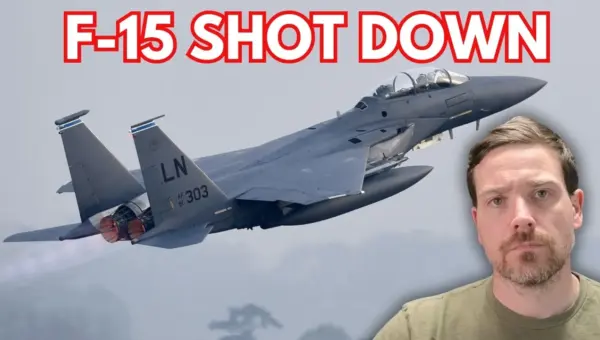
A US F-15 jet shot down over Iran raises tensions, with search efforts underway for the two crew members. The incident could become a major propaganda win for Iran if the crew is captured, potentially altering the war's outcome and public opinion.
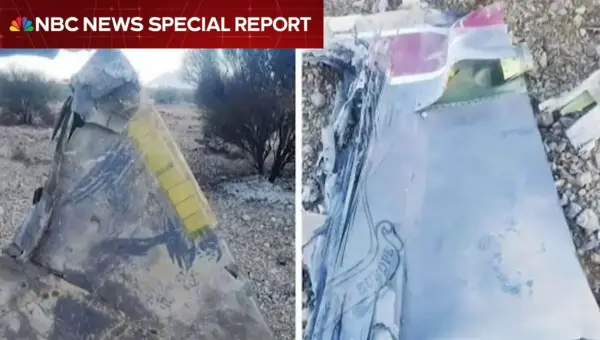
US Fighter Jet Crashes in Iran; Rescue Mission Underway
A U.S. F-15 fighter jet crashed inside Iran on Friday, prompting an urgent search and rescue mission. U.S. officials confirmed the incident, while Iranian state media reported the downed aircraft and offered a reward for the capture of the crew. The White House has been briefed, and the event raises questions about the ongoing U.S. military operations and potential escalation.