Oil Shock: Hormuz Closure Triggers Global Financial Crisis
A prolonged closure of the Strait of Hormuz could trigger a global financial crisis, leading to soaring energy prices, bond market instability, and a stock market crash. Analysts warn of potential job losses and asset devaluation, with limited safe havens for investors.


Global Markets Brace for Impact as Strait of Hormuz Closure Looms
The potential closure of the Strait of Hormuz for three to four weeks could trigger a severe global financial crisis, according to economic analysts. This critical waterway, a vital chokepoint for global oil supplies, faces a threat that could unravel markets and economies worldwide. Economists warn that a prolonged shutdown is the point where financial systems begin to break down, with effects that are difficult to reverse and take years to mend.
Energy and Food Costs Soar Amid Supply Disruption
A closure of the Strait of Hormuz would immediately send oil prices skyrocketing. This surge in energy costs would ripple through the global economy, impacting everything from transportation to manufacturing. Foreign holders of U.S. Treasury bonds, needing to cover rising energy and food expenses, would be forced to sell these safe-haven assets. This selling pressure would drive up interest rates on U.S. debt.
Bond Markets Under Pressure, U.S. Yields Spike
The U.S. Treasury market, a cornerstone of global finance, would face immense stress. As foreign investors liquidate their holdings to pay for essential goods, the supply of Treasury bonds would increase. This increased supply, coupled with higher demand for cash, would push bond prices down and their yields, or interest rates, significantly higher. This scenario could be particularly damaging for the bond markets in the UK and Europe, potentially causing them to “crack” under the strain.
Stock Market Plummets as Credit Crisis Looms
The stock market, often a lagging indicator, would likely follow the bond market’s distress. Analysts predict that stock prices would fall sharply as investors flee to safety. Credit spreads, which represent the difference in yield between corporate bonds and government bonds, would widen dramatically. This widening indicates increased perceived risk for corporations. Corporate earnings would likely be slashed as businesses grapple with soaring energy costs and reduced consumer spending. This confluence of factors could lead to a credit crisis, with some experts comparing the potential fallout to the 2008 financial meltdown.
Job Losses and Asset Devaluation Across the Board
In such a crisis scenario, widespread job layoffs would become a significant concern. As companies face declining revenues and rising costs, they would be forced to cut their workforces. Furthermore, almost all asset classes, from stocks and bonds to real estate and commodities, would likely experience significant devaluation. The interconnected nature of global finance means that a shock in one critical area, like the Strait of Hormuz, can have devastating effects across the entire financial system.
Limited Havens for Investors in Turbulent Times
During such a widespread financial downturn, investors would find very few places to protect their capital. In the short term, holding cash might offer some stability, as it provides liquidity. However, inflation could erode its value over time. In the mid-term, gold has historically served as a safe-haven asset during times of economic uncertainty. Yet, even these traditional safe havens might not offer complete protection in a crisis of this magnitude. The complexity of the situation makes definitive predictions about protection difficult.
Market Impact
A closure of the Strait of Hormuz for 3-4 weeks would represent a major supply shock to the global oil market, leading to a rapid increase in energy prices. This would fuel inflation worldwide, forcing central banks into difficult policy decisions. The ensuing financial market turmoil could include a sharp decline in equity markets, a spike in bond yields, a widening of credit spreads, and a potential credit crisis, reminiscent of 2008. Widespread job losses and a general decline in asset values are also highly probable outcomes.
What Investors Should Know
Investors should be aware of the extreme vulnerability of global markets to disruptions in critical energy supply routes. The potential for a Hormuz closure highlights the interconnectedness of geopolitical events and financial stability. While cash and gold might offer some short-term or medium-term refuge, the scale of the potential crisis suggests broad asset devaluation. Understanding these systemic risks is crucial for long-term financial planning, though specific investment decisions are complex and depend on individual risk tolerance and market conditions.
Source: What Happens Of Hormuz Stays Closed for 3-4 Weeks (YouTube)

Related Articles


US Policy Shift Stuns Allies, Weakens Global Security
US policy shifts regarding Ukraine, the Strait of Hormuz, and NATO are raising concerns among allies and creating global instability. Critics point to a lack of strategic planning and diplomatic consultation, potentially emboldening adversaries and undermining international security.


Strait of Hormuz Tensions Risk Wider Middle East War
Efforts to secure the vital Strait of Hormuz risk triggering a wider Middle East war, according to UN warnings and security analysts. The narrow waterway is crucial for global trade, and forcing it open against Iran's objections could escalate regional tensions dramatically. Experts highlight the complex geography, Iran's remaining military capabilities, and the involvement of regional players as key factors in the volatile situation.

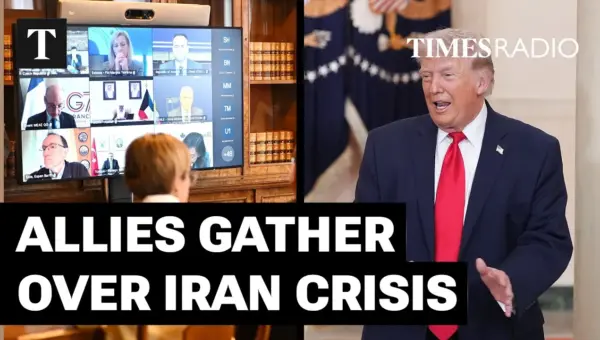
UK Leads Global Effort to Secure Strait of Hormuz
The UK has rallied over 40 countries to address the crisis in the Strait of Hormuz, a vital global energy route. The initiative seeks diplomatic and economic solutions amidst rising tensions and calls for a stronger European role. Experts suggest that negotiation, rather than military action, is key to securing the strait's passage.