Astronauts Head to Moon Amidst Divided Nation
The Artemis II mission has launched, sending four astronauts towards the Moon in a journey that highlights both humanity's drive for exploration and the current divisions within society. While the launch captured global attention, it also sparked conversations about how fragmented media impacts shared national experiences.

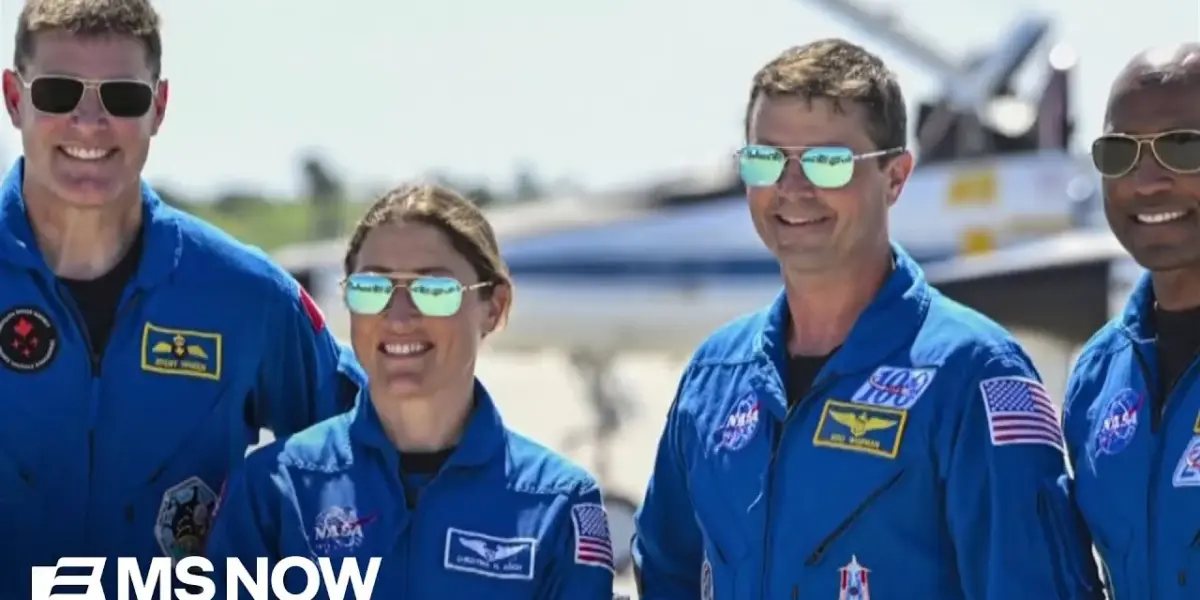
Artemis II Mission Embarks on Lunar Journey
The Artemis II mission, carrying four astronauts, has officially left Earth’s orbit and is speeding towards the Moon at over 5,000 miles per hour. This mission marks a significant return of humans to deep space after decades. The astronauts, after testing systems on the Orion capsule, are now on their way to circle the Moon, a feat not accomplished since the Apollo era.
Awe and Reflection on a New Moon Shot
While the launch has generated excitement, it also sparks reflection on how space exploration captures the public imagination today. Peter Baker, writing for The New York Times, notes that Artemis is different from Apollo. Going back to the Moon doesn’t ignite the same spark as the initial journey, with many viewing it as a rerun, even if they weren’t alive for the original moon landings. Despite this, crowds gathered in Florida and online worldwide to witness the launch, finding something awe-inspiring in reaching for another world again.
To be sure, Artemis is not Apollo, and going back to the Moon doesn’t fire the imagination like going there in the first place. For many Americans, it seems like a rerun, even if most were not old enough to remember the last time humans ventured beyond Earth’s orbit.
Shifting Media Landscape Impacts Public Engagement
The way space missions are experienced has drastically changed since the Apollo days. In the past, three major broadcast networks brought Americans together to watch the same events simultaneously. A prime example was the Apollo 8 mission on Christmas Eve, when astronauts read from the Book of Genesis, reaching an estimated one billion people globally. Today, the media landscape is fragmented. People can watch launches on various news channels, streaming services, or NASA’s own feeds.
This shift, however, comes with a downside. Online viewers might witness the majesty of a launch, but they also face the darker aspects of online discourse. Some comments sections are filled with conspiracy theories, labeling the moonshot as fake. This highlights a societal change where shared experiences are fewer, and divisions are more apparent. Yet, the launch offered a moment where many could unite around something greater than everyday conflicts.
NASA’s Bipartisan Appeal in a Divided Era
In a politically divided America, NASA stands out as one of the few institutions with broad bipartisan support. This common ground is valuable, especially when compared to the constant stream of divisive news. The Artemis II launch provided a brief, transcendent moment for people to gather around a shared event. It offered a glimpse of what can be achieved when people focus on common goals rather than differences.
A Fleeting Moment of Unity
The launch on Wednesday evening was a national moment of shared purpose. However, it was quickly followed by the President addressing the nation about war just hours later. This rapid shift underscores how fleeting these moments of common ground can be. The focus often returns to divisive issues, causing economic uncertainty and international conflict.
Peter Baker expressed surprise that the President did not attend the launch, suggesting it reflects a broader trend. The focus, he argues, is more on what divides the nation than on what unites it. This is seen as a sign of the times, where unifying achievements are not always highlighted.
What’s Next for Lunar Exploration?
The Artemis II mission is a crucial step in NASA’s long-term plans for lunar exploration and eventual missions to Mars. As the astronauts continue their journey, the world will be watching. The success of this mission will pave the way for future lunar landings and deeper space endeavors. The public’s engagement with these missions, despite the changing media landscape, remains a key factor in sustaining support for space exploration.
Source: Peter Baker: The awe of a moon launch in the age of Trump (YouTube)

Related Articles


Moon Missions Spark New Space Race: Fuel & Power
Renewed moon missions are fueling a new space race, driven by the potential for rocket fuel production and strategic control. However, concerns about space weaponization and the lack of clear property rights in this lawless frontier add a complex geopolitical layer to lunar ambitions.

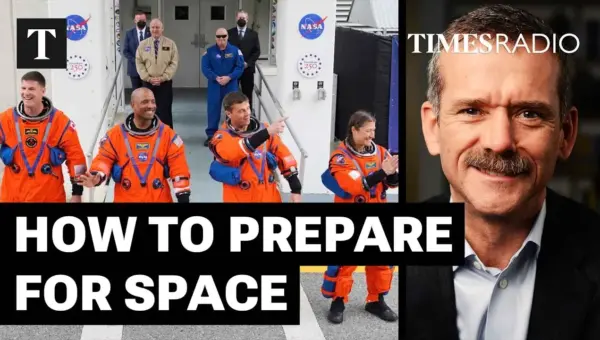
Astronaut Chris Hadfield on Artemis Prep & Space’s Human Heart
Former astronaut Chris Hadfield emphasizes that space exploration's greatest challenge is mental, not physical. He discusses the intense preparation required for missions like Artemis and reflects on the deeply human emotions involved in spaceflight, comparing it to our innate drive to explore.


Humans Return to Moon Orbit After 52 Years
Humans are heading back to the moon for the first time in over 50 years with the Artemis II mission. The four-astronaut crew will orbit the moon, marking a historic return to deep space exploration. Meanwhile, political developments include President Trump's warnings of further strikes against Iran and a leadership change at the Justice Department.