Jobs Report Stuns Market: 178,000 New Roles Added
The U.S. economy surprised analysts with the creation of 178,000 nonfarm payroll jobs in March, significantly exceeding expectations. The unemployment rate fell to 4.3%, signaling robust labor market strength. Experts view the report as a sign of strong business confidence, though concerns about inflation persist.

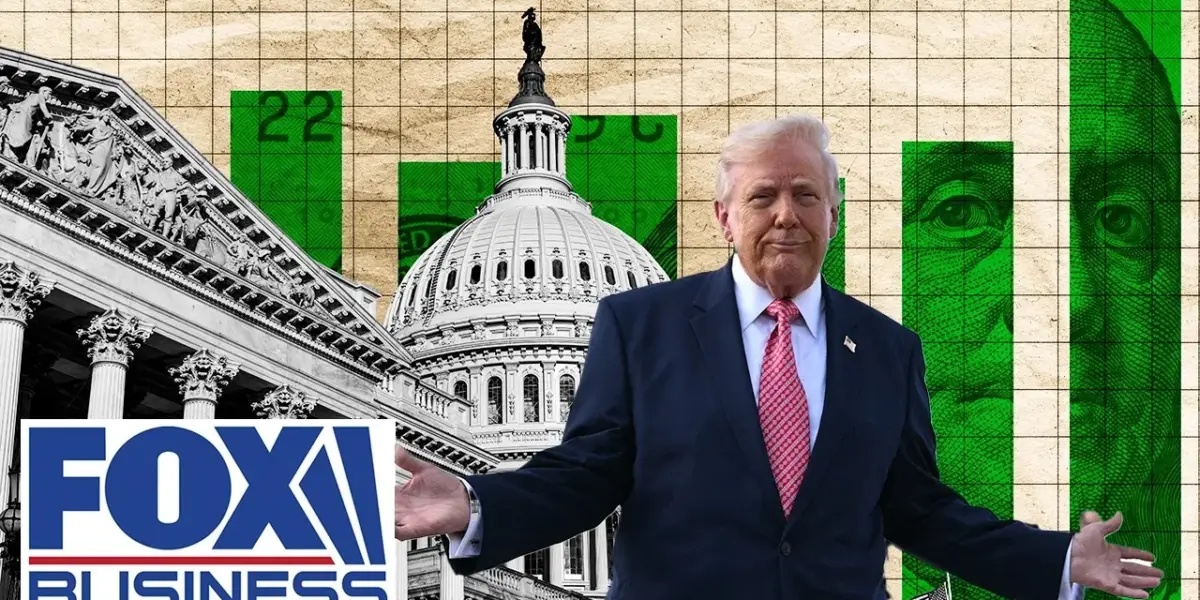
Stronger-Than-Expected Jobs Report Boosts Economy
The U.S. economy showed surprising strength as the latest jobs report revealed the creation of 178,000 nonfarm payroll jobs in March. This figure significantly surpassed the 60,000 jobs economists had predicted, signaling a more robust labor market than anticipated.
Unemployment Rate Declines, Manufacturing Sees Gains
Adding to the positive news, the unemployment rate dropped to 4.3%, down from the expected 4.4%. While manufacturing jobs saw a slight loss of 15,000, it was a much smaller decline than the 5,000 loss that was forecasted. The private sector also showed impressive growth, adding 186,000 jobs, well above the estimated 70,000.
Key Economic Indicators Highlight Strength
- Nonfarm Payroll Jobs: 178,000 created (vs. 60,000 expected)
- Unemployment Rate: 4.3% (vs. 4.4% expected)
- Manufacturing Jobs: 15,000 added (vs. 5,000 loss expected)
- Private Sector Jobs: 186,000 added (vs. 70,000 expected)
Wage Growth and Workweek Hours
Average hourly earnings saw a month-over-month gain of 0.2%, falling slightly short of the expected 0.3% increase. Year-over-year, average earnings grew by 3.5%, also below the 3.7% projection. The average workweek was 34.2 hours, slightly less than anticipated.
Expert Analysis: A Strong Economic Backbone
Economists and analysts expressed surprise and optimism regarding the report’s figures. Steve Moore, former Trump economic adviser, called the report “amazing,” highlighting the strong job creation as a sign of employer confidence in the future, even amid global uncertainties like the situation in the Middle East.
Nancy Lazar, Chief Global Economist at Piper Sandler, noted the declining trend in unemployment claims as a reliable indicator of business confidence. She emphasized that companies are not letting go of workers, suggesting they feel secure about the economic outlook. Lazar also pointed to the household employment data as a more reliable indicator of economic turning points, which has shown an improving trend.
Artificial Intelligence and the Future of Work
The role of Artificial Intelligence (AI) in the job market was also a topic of discussion. John Lonski, Chief Economist at Moody’s Analytics, suggested that companies may be correcting for earlier overhiring rather than AI directly replacing jobs. He believes AI should ultimately make workers more productive over time, emphasizing the need for a workforce trained to utilize these new technologies.
Mohammed El-Erian, Chief Economic Adviser at Allianz, also touched upon AI, viewing it as a significant support for corporate profits and, consequently, for job creation. He argued that the U.S. is well-positioned to adapt to technological shifts, unlike some European counterparts.
Market Impact and Investor Outlook
The strong jobs report had a mixed immediate impact on the markets. While futures initially jumped, Dow futures later moved lower. John Lonski explained this reaction, suggesting that the stronger-than-expected economy reduces the likelihood of imminent interest rate cuts by the Federal Reserve. This, in turn, can lead to higher borrowing costs, impacting the bond and equity markets.
Steve Moore noted the Federal Reserve faces a difficult decision. With rising oil prices potentially increasing inflation, the Fed must balance stimulating the economy with controlling price increases. He also highlighted concerns about labor force participation, suggesting a need for more legal immigration to support economic growth as baby boomers retire.
Sectoral Growth and Small Business Engine
The report indicated growth in sectors like healthcare, construction, and transportation. Alfredo Ortiz, President of the Job Creators Network, emphasized that small businesses continue to be the primary engine of economic growth, responsible for about two-thirds of new job creation. He highlighted strong job growth in small businesses with 20 employees or less.
Nancy Lazar expressed excitement about the return of goods-producing jobs, such as those in manufacturing and construction, which she believes are good-paying jobs essential for a diverse workforce. She also noted an increase in temporary employment, often a leading indicator of future hiring.
Global Economic Context
The discussion also touched upon global economic trends, including the impact of potential geopolitical events like the Strait of Hormuz opening, which could boost the economy. While some expressed optimism about a potential economic boom if oil prices decrease, others cautioned against fragmentation in global trade and emphasized the need for managed globalization.
Overall, the March jobs report painted a picture of an economy that is performing better than expected, driven by strong private sector hiring and growing business confidence. While challenges like inflation and labor force participation remain, the data suggests a resilient U.S. economy poised for continued growth.
Source: ‘AMAZING REPORT': Jobs data SHOCKS the market (YouTube)

Related Articles

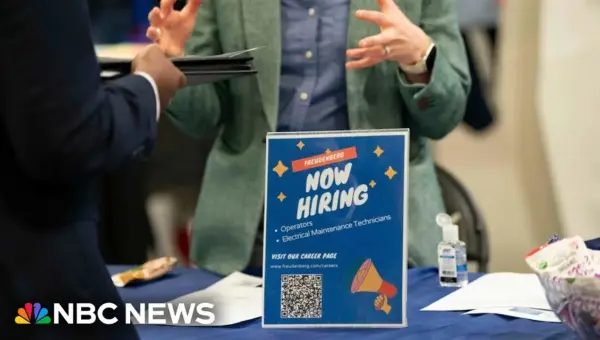
US Adds 178,000 Jobs in March, But Revisions Show Market Flux
The U.S. economy added 178,000 jobs in March, exceeding expert forecasts. However, significant revisions to previous months' job numbers reveal ongoing volatility in the labor market. Key sectors like healthcare and hospitality drove much of the growth, while concerns remain about discouraged workers.


Tariffs Cost Trillions: How Markets Recovered
Sweeping tariffs initially wiped out $2.4 trillion in market value, but a swift rebound followed. Companies now grapple with rising costs, with consumers ultimately bearing the brunt through higher prices.
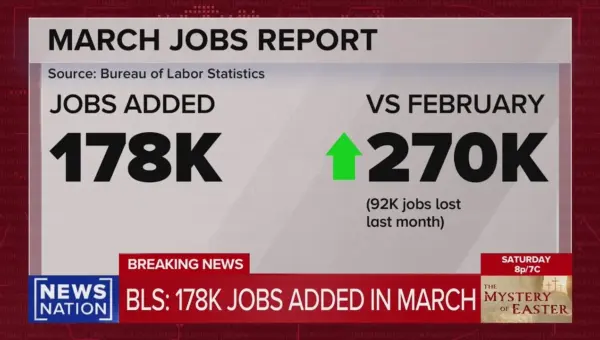
US Jobs Surge Defies War Fears, Shows Economic Strength
The U.S. economy added 178,000 jobs in March, far exceeding expectations and showing resilience despite the start of the Iran conflict. Key sectors like healthcare and transportation drove growth, while the unemployment rate dipped to 4.3%. This performance suggests the labor market is strong, even amid global uncertainties.