Trump Eyes State Control of Social Safety Nets
President Trump suggested states should fund social safety net programs like child care and Medicaid, rather than the federal government. Experts worry this shift would create healthcare access disparities. Separately, a new FDA-approved weight loss pill offers hope, especially for those avoiding needles.

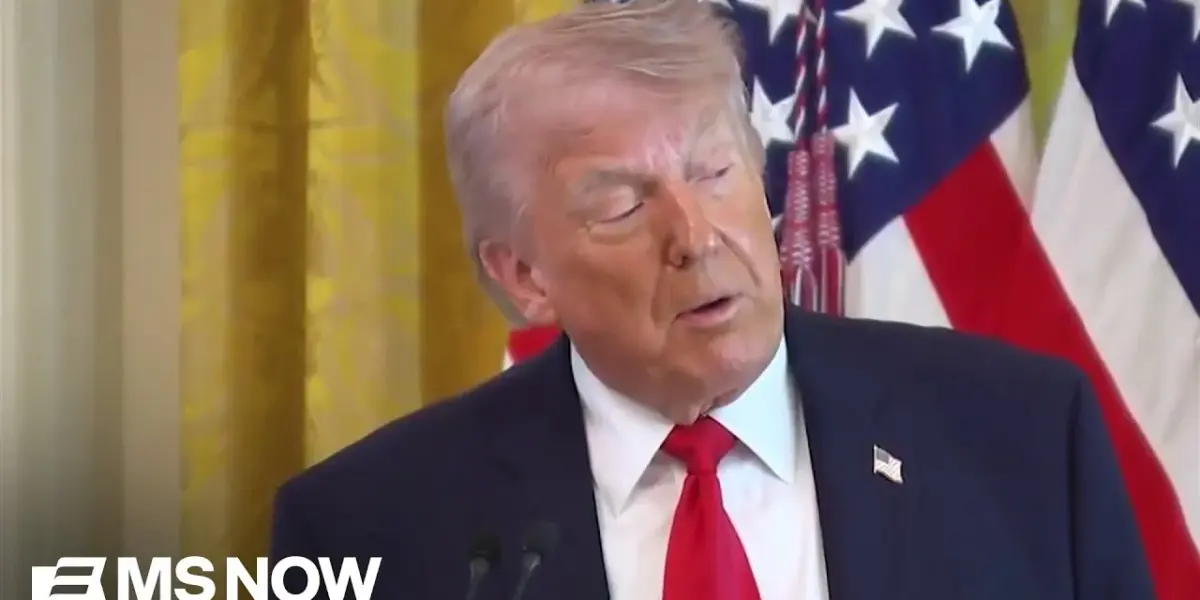
Trump Suggests States Fund Social Programs
President Trump recently suggested that social safety net programs, like child care and Medicaid, should be funded by individual states rather than the federal government. This idea was shared in a video posted online by the White House, though it was later removed. A reporter had previously downloaded and shared the video, making its content public.
In the video, Trump stated, “It’s not possible for us to take care of daycare, Medicaid, Medicare, all these individual things. They can do it on a state basis. You can’t do it on a federal.” He argued that states should be responsible for these programs and suggested they could raise taxes to cover the costs. Trump believes the federal government’s main responsibility should be military protection for the country.
White House Press Secretary Caroline Levitt acknowledged the video’s existence but stated that the media was misinterpreting the president’s remarks. She suggested the comments were taken out of context.
Expert Concerns Over Proposed Shift
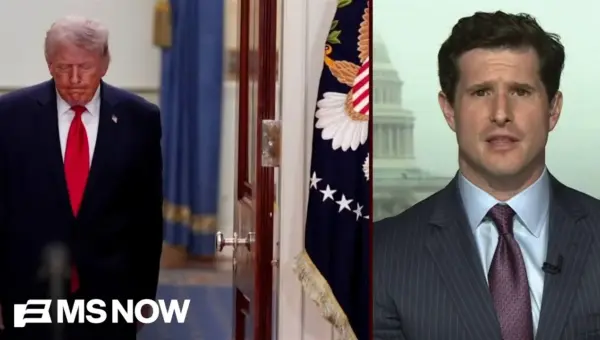
Dr. Vin Gupta, a senior medical analyst, expressed worry about the potential implications of Trump’s comments. He questioned whether the president truly understands the current structure and importance of programs like Medicare and Medicaid. “I’m worried that the president’s comments might believe the fact that he doesn’t believe in a strong, robust Medicare and Medicaid set of programs for the country,” Dr. Gupta explained.
Dr. Gupta highlighted that these programs are already operational and largely funded at the federal level. Medicaid, for example, was established under the Social Security Act and is financed through payroll taxes and federal revenues. While Medicaid is jointly managed by states and the federal government, the federal government provides the majority of the funding, typically between 70% and 80%.
Operational and Fairness Challenges
Making such a significant shift would require an act of Congress. Dr. Gupta also pointed out serious practical issues. He explained that if states were solely responsible for funding, states with more financial resources would likely offer better benefits than those with fewer. “States that have more resources, Jackie, would be able to provide better benefits than states that have lesser resources,” he said.
This disparity could disproportionately affect states with less wealth, potentially widening healthcare access gaps. Dr. Gupta concluded that the idea “doesn’t operationally make sense” and seemed like an off-the-cuff remark. Such a change would represent a “significant change to what healthcare looks like,” he added.
New Weight Loss Pill Offers Hope
In other health news, the Food and Drug Administration (FDA) has approved a new pill from Eli Lilly for weight loss. This marks a significant step for people struggling with obesity and related health issues. The pill is now moving into the next stage of the regulatory process.
Dr. Gupta shared his excitement about the pill’s potential. “It’s now going to be accessible to Americans in our market, which is great,” he stated. He noted that currently, only about one in ten people worldwide have access to GLP-1 medications, the class of drugs this new pill belongs to. These drugs are important for those battling obesity, cardiovascular disease, and other serious conditions.
Benefits for Needle-Phobic Patients
The new pill offers a significant advantage for individuals who are afraid of needles. It also provides an option for those with moderate weight loss goals. “This pill has been shown to be very effective,” Dr. Gupta explained. He suggested various ways people might use it, such as starting with the pill for a period or transitioning to it after using injectable medications.
This development could usher in an era of “primary prevention,” where people take medication to prevent diseases before they start, rather than treating them after they occur. This is a shift from the current focus on “secondary prevention,” which aims to prevent further heart attacks or strokes in people who have already experienced them.
Looking Ahead
The approval of Eli Lilly’s weight loss pill is a positive development for public health. However, questions remain about its cost and accessibility. As the pill moves through the final stages of regulatory review, attention will be on how widely available and affordable it will become for the general population.
Meanwhile, the debate over federal versus state responsibility for social safety net programs is likely to continue. President Trump’s remarks have brought this issue to the forefront, and the long-term impact of his proposed shift remains to be seen.
Source: Trump says it's 'not possible' for the U.S. to fund child care (YouTube)

Related Articles

Trump Weighs War Exit Amid Iran Strikes and Internal Debate
President Trump is reportedly facing internal debate over how to end the escalating conflict with Iran, according to a new Time Magazine report. While publicly vowing to increase strikes, privately Trump seeks an "off-ramp" to declare victory and avoid domestic backlash, even as advisors express surprise at Iran's retaliatory attacks.


Trump Escalates Iran Tensions, Targets Infrastructure
President Trump has warned of intensified strikes against Iran, targeting infrastructure like bridges and power plants. This strategy aims to pressure the regime into peace talks, though Iranian officials condemn it as an attack on civilian life. U.S. officials state the strikes target military supply routes to undermine Iran's capabilities.


Trump Threatens Iran: Bridges, Power Plants Next Targets
President Trump has escalated his rhetoric against Iran, threatening to target critical infrastructure like bridges and power plants. These comments come amidst ongoing military operations and a recent shake-up in Army leadership. Geopolitics experts suggest this is a strategic move to pressure Iran's hardliners, with a focus on concluding operations swiftly.