Russia Claims Luhansk Control Amid Diplomatic Stalls
Russia rejected Ukraine's Easter ceasefire proposal, citing unclear terms and shifting blame to Kyiv. Meanwhile, Moscow's claims of full control over Luhansk are contradicted by Ukrainian forces and battlefield data. The conflict's economic impact is also growing, with Ukrainian drone strikes significantly reducing Russia's oil export capacity.

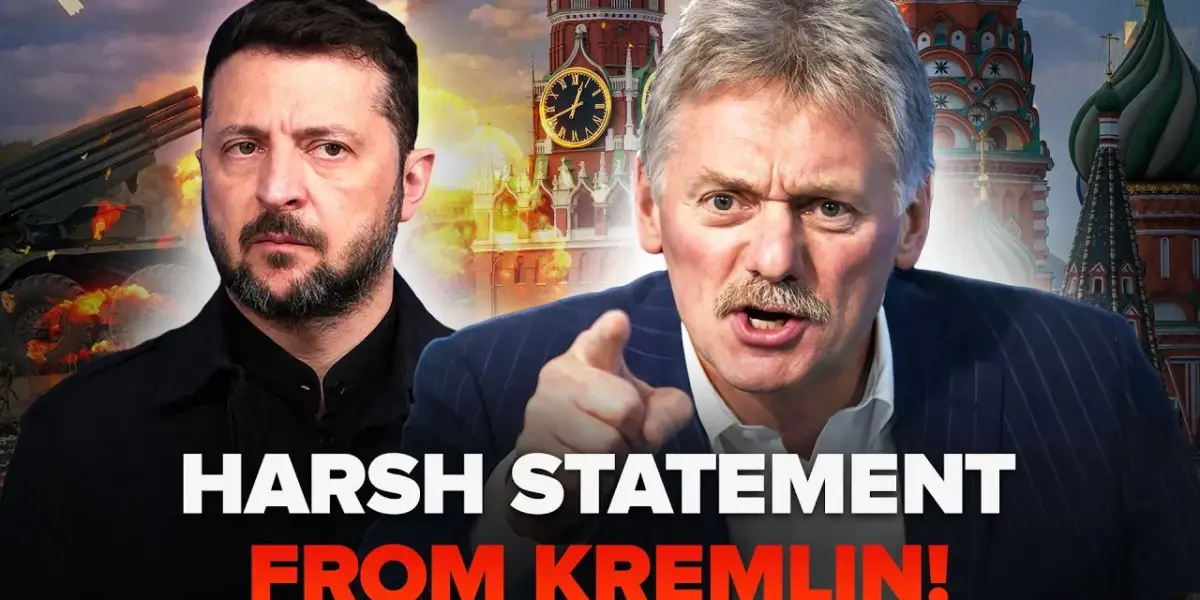
Kremlin Denies Easter Truce, Escalates Rhetoric
Moscow has rejected Ukraine’s proposal for an Easter ceasefire, calling the plan unclear. The Kremlin stated that Kyiv should focus on peace-building decisions rather than temporary pauses. Russian officials suggested Ukraine needs a ceasefire due to battlefield pressures. This stance aligns with a pattern of questioning Ukrainian proposals, shifting blame, and avoiding de-escalation.
Ukraine viewed the Easter truce as a practical and symbolic gesture to reduce violence and test Moscow’s willingness to de-escalate. However, the Russian rejection indicates a lack of readiness for such steps. Discussions with international figures like Steve Witkoff, Jared Kushner, Lindsey Graham, and Mark Rutte highlighted Ukraine’s efforts to support peace initiatives.
Russia’s Luhansk Claims Contradicted by Battlefield Reports
Russia has claimed full control over Ukraine’s Luhansk region, a statement disputed by Ukrainian military officials. Russian propaganda outlets cited the Defense Ministry on April 1st, reporting the “liberation” of the Luhansk People’s Republic. However, Ukrainian forces, including the 3rd Assault Brigade, reportedly maintain positions near three villages in the western Luhansk region, according to the 3rd Army Corps.
Battlefield data and maps from the Deep State Monitoring Protection show Ukrainian-held territory in Luhansk as of April 1st. Over the past six months, Russian forces have conducted approximately 150 assault attempts in the area, involving over 360 troops and military equipment. These claims highlight a persistent gap between Russia’s stated territorial gains and the reality on the ground in the Donbas.
Diplomatic Stalemate and Shifting Global Narratives
The Kremlin asserts that peace talks with Ukraine are on hold, attributing the pause to U.S. preoccupation with Middle Eastern issues. Dmitry Peskov, a Kremlin spokesperson, suggested American negotiators are too busy to focus on Ukraine. Moscow continues to demand Ukraine’s immediate troop withdrawal from Donbas, claiming this would save lives and end the war.
This diplomatic approach, characterized by delays, blame-shifting, and demands for concessions, continues as the conflict persists. Russian Foreign Minister Sergey Lavrov has framed the conflict as part of a larger global struggle for power. He described the current period as a “painful reshaping” of the world order, leading to a struggle for leadership and a restructuring of global power dynamics.
Odessa Port Attacked; Swiss Patriot Deal in Doubt
A Black Sea port in Odessa was targeted overnight by Russian attacks, with Ukrainian officials reporting drone strikes on port infrastructure. The attacks damaged warehouses, hangars, and administrative buildings, causing fires across the site. Emergency crews worked to contain the damage, and no casualties were immediately reported. This strike adds to a pattern of attacks on Ukrainian port facilities.
Meanwhile, Switzerland is considering withdrawing from its agreement to purchase U.S. Patriot missile systems. Payments have been paused pending a clear timeline from Washington, as some systems were redirected to support Ukraine, causing delivery delays. Swiss officials view this as a change to the original deal and are exploring all options, including cancellation, while seeking clarity on their purchase.
Hungarian Elections and U.S. Policy Debates
Hungary is preparing for elections, with Brussels reportedly unconvinced that a leadership change would alter the country’s stance on Ukraine. Péter Magyar, a prominent challenger, is not seen as a pro-Ukraine alternative, opposing rapid EU membership for Ukraine and arms shipments. His party has also voted against EU aid packages for Ukraine.
Anti-Ukrainian sentiment is reportedly widespread in Hungary, with a majority opposing Ukraine’s EU accession and financial support. This suggests that even with a new government, significant shifts in policy are unlikely. Péter Magyar faces limited room for maneuver due to prevailing public opinion, which views Ukraine as a threat and opposes its integration with the EU.
Trump’s Stance on Ukraine Aid and NATO
Former U.S. President Donald Trump has reiterated his view that the U.S. should not have become involved in the war in Ukraine. He criticized previous administrations for providing extensive military aid, claiming the U.S. received nothing in return. Trump also suggested that ammunition sent to Ukraine is now needed domestically, especially with rising tensions in the Middle East.
Trump’s proposed approach involves selling weapons rather than donating them, with Europe expected to cover the costs. He has reportedly used support for Ukraine as leverage to encourage European countries to take a greater role in securing the Strait of Hormuz. Washington is currently reviewing its support for Ukraine and its broader role within NATO. Concerns exist about the potential redirection of weapons initially intended for Ukraine to other regions, including the Middle East.
Bulgaria Seeks EU Help Against Election Interference
Bulgaria is requesting assistance from the European Union to protect its upcoming elections from potential Russian interference. Officials in Sofia have identified disinformation campaigns spreading through social media and coordinated networks, promoting pro-Kremlin narratives ahead of the April 19th vote. The government considers the risks high and seeks to activate EU tools to counter these threats.
Investigative journalists are advising a special unit focused on hybrid threats, marking a shift in Bulgaria’s approach to security concerns. The country is taking proactive steps to combat foreign interference, unlike in the past when such issues were often overlooked. Bulgaria’s request highlights a growing concern across the EU regarding foreign actors manipulating public opinion through digital platforms.
Evacuations at Iran’s Bushehr Nuclear Plant Amid Escalation
Russia is reportedly evacuating personnel from the Bushehr nuclear power plant in Iran due to escalating conflict nearby. Explosions have been reported as close as 700 meters from the facility, Iran’s only operational nuclear power plant, which was built with Russian involvement and relies on Russian specialists for maintenance and construction.
Over 200 personnel are scheduled for evacuation this week, though a smaller team will remain to ensure the plant’s continued operation. The situation at Bushehr is described as serious, with ongoing explosions posing a significant concern. Maintaining the nuclear facility’s operational status is critical, even under duress.
Ukrainian Drone Strikes Impact Russian Oil Exports
Ukrainian drone strikes on Russian ports, pipelines, and refineries are forcing Russia to cut oil production, not sanctions. These attacks have reduced Russia’s oil export capacity by approximately 20%, or about one million barrels per day. At their peak in March, these reductions reached nearly 40%.
The disruption has led to oil accumulation within Russia, overwhelming pipelines and storage facilities. This forces Moscow to slow production, impacting a key revenue source that accounts for about a quarter of Russia’s state budget. The situation highlights the economic consequences of the conflict, extending beyond battlefield dynamics to affect Russia’s financial stability.
Source: ⚡️Kremlin URGENTLY addressed Kyiv! A CRAZY ultimatum to Zelenskyy. Ukraine’s response (YouTube)

Related Articles
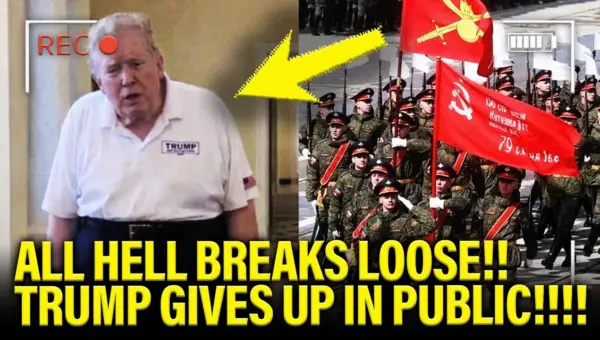
Trump’s Policies Fuel Global Instability, Empower Rivals
Critics argue Donald Trump's policies are weakening NATO, benefiting Russia, and escalating conflicts, particularly in the Middle East. These actions are reportedly causing global instability, impacting markets, and shifting geopolitical power dynamics.

Ukraine Strikes Russian Drone Base, Oil Exports Hit
Ukraine has successfully struck a key Russian drone training base in Crimea and significantly reduced Russia's oil export capacity. These actions coincide with ongoing diplomatic talks and highlight Ukraine's strategy of applying pressure deep within Russian territory.
Russia Wins Big as Mideast Crisis Diverts US Focus from Ukraine
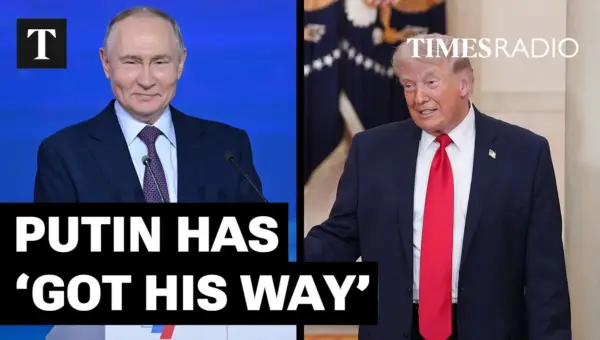
The ongoing crisis in the Middle East has inadvertently become a major win for Russia, boosting its economy through higher oil prices and creating strategic geopolitical advantages. As global attention shifts away from Ukraine, Moscow finds itself in a stronger position, both economically and internationally.