Hegseth Fires Army Chief Amid War, Sparks Uproar
Defense Secretary Pete Hegseth has abruptly fired Army Chief of Staff General Randy George amid the ongoing war in Iran, sparking widespread concern and questions on Capitol Hill. Critics allege the move is part of a pattern of political purges, weakening experienced leadership. With General George out and a new acting chief expected, the focus is on the stability and direction of the Army's command during a critical period.

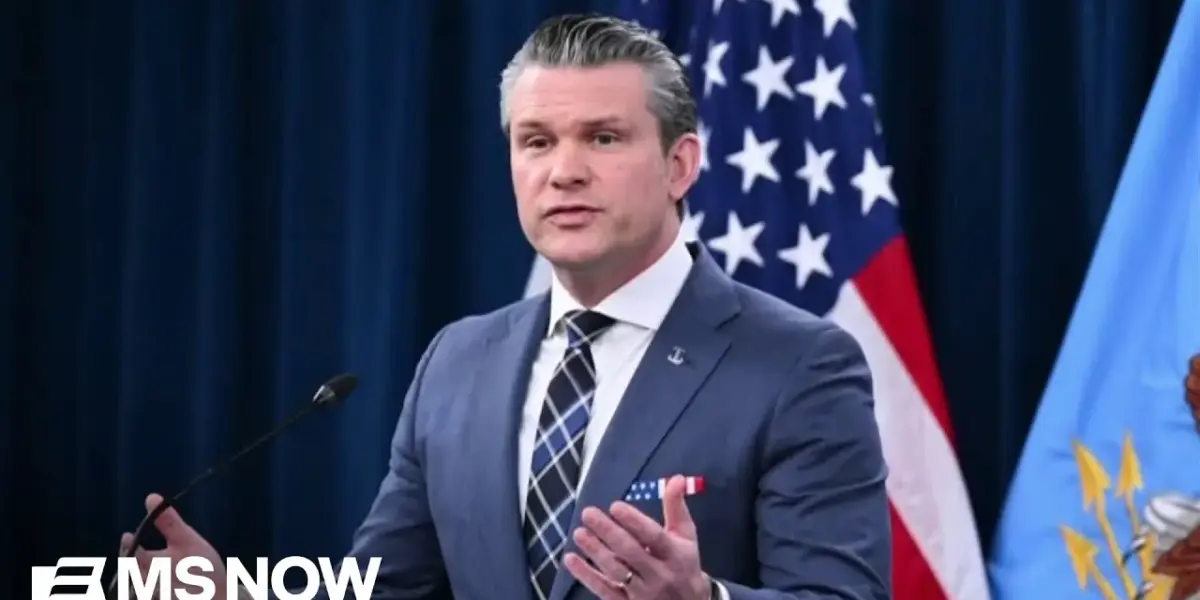
Army Chief Replaced Amidst Escalating Conflict
Defense Secretary Pete Hegseth has abruptly removed Army Chief of Staff General Randy George from his position. This surprising move comes as the United States faces an ongoing war in Iran. A Defense Department official stated that George was asked to step down and retire immediately. The Pentagon confirmed the action online, thanking George for his service but offering no specific reason for his departure. The timing of this leadership change, with significant troop deployments and a complex geopolitical situation, has raised serious concerns on Capitol Hill.
Questions Mount Over Leadership Shake-Up
General George, a West Point graduate with extensive experience in the wars in Iraq and Afghanistan, was nominated in 2023 and expected to serve as Chief of Staff until 2027. His sudden removal has led to widespread questioning, even among Republican lawmakers. This is particularly concerning given the current military engagement in Iran, described as the largest conflict in decades. Thousands of American troops are heading into potential combat in a country comparable in size to Alaska, with a population more than three times that of North Korea. The President’s public addresses on the war have been minimal, adding to the confusion and demand for transparency.
“The American people deserve to know why so many of their top officers are being tossed out of their jobs.”
Allegations of Political Interference
Reports suggest that General George’s dismissal may stem from disagreements with Secretary Hegseth over several key decisions. One major point of contention reportedly involved promotions, particularly for women and women of color who had earned them. Sources indicate that Hegseth refused to approve these promotions, leading to a direct conflict with George. This clash is seen by some as a primary reason for the Army Chief’s forced retirement. However, critics argue this is part of a broader pattern of what they call a “rolling purge” of senior officers initiated by Hegseth since he took office.
Concerns Over Purges and Experience Loss
Critics are drawing parallels between Hegseth’s actions and historical instances of political purges within military structures. They point to figures like Joseph Stalin, who purged his own generals before the Nazi invasion, and China’s President Xi Jinping, who has also removed top military officials. The concern is that these removals are based on political or personal reasons rather than military necessity. This is seen as particularly damaging when the U.S. military is engaged in active combat. The loss of hundreds of years of combined military experience through these dismissals is viewed as a significant weakening of command leadership.
Focus on Culture Wars Over Military Readiness
Some observers believe Secretary Hegseth’s focus has shifted towards cultural issues rather than core military readiness. His reported interest in areas like the Chaplain Corps, while the nation is engaged in a major conflict, is cited as an example. Unlike leaders in China or Russia, who often provide reasons such as corruption for removing generals, Hegseth’s actions lack clear justifications. This has led to accusations that his decisions are petty and vindictive, driven by personal grievances against the Army or by his views on diversity, equity, and inclusion (DEI) initiatives.
Loss of Respect and Potential Consequences
Beyond the immediate impact on leadership, there is a growing concern about the erosion of respect for Secretary Hegseth among military ranks. Senior officers reportedly view his actions and public appearances with dismay, seeing them as performative rather than focused on the mission. This loss of respect, especially during wartime, is considered a critical vulnerability. Furthermore, Hegseth’s relationship with some Republican senators is described as strained, leading to speculation that he himself may soon face removal.
What’s Next for the Army Leadership?
With General George out, former Hegseth aide Christopher Lenev is expected to take over as acting chief of staff. The coming weeks will be crucial in determining the stability of the Army’s leadership and the direction Secretary Hegseth intends to take. The ongoing conflict in Iran and the broader geopolitical landscape demand clear and experienced leadership. The focus will likely remain on whether Hegseth can regain the confidence of military professionals and lawmakers, or if the current turmoil will lead to further significant changes within the Department of Defense.
Source: 'Weakening the U.S. military': Hegseth forces out Army's top officer (YouTube)

Related Articles

Trump Weighs War Exit Amid Iran Strikes and Internal Debate
President Trump is reportedly facing internal debate over how to end the escalating conflict with Iran, according to a new Time Magazine report. While publicly vowing to increase strikes, privately Trump seeks an "off-ramp" to declare victory and avoid domestic backlash, even as advisors express surprise at Iran's retaliatory attacks.

Trump Declares Iran War Nearing End, NATO Future Uncertain
President Trump declared the US military operation in Iran nearing completion, projecting a swift end to intensified bombing within weeks. However, Iran disputes this, stating the war is far from over. Meanwhile, the future of NATO hangs in the balance as Trump considers US withdrawal, sparking debate on the alliance's relevance and legal hurdles for exit.

Trump’s War Room Crumbles: Aides Confess Catastrophe
Top aides are reportedly confessing to Donald Trump that the war in Iran is a catastrophic failure, with Iran's military capabilities and global influence growing. This comes amid reports of domestic discontent and internal military strife.