Trump’s Policies Fuel Global Instability, Empower Rivals
Critics argue Donald Trump's policies are weakening NATO, benefiting Russia, and escalating conflicts, particularly in the Middle East. These actions are reportedly causing global instability, impacting markets, and shifting geopolitical power dynamics.

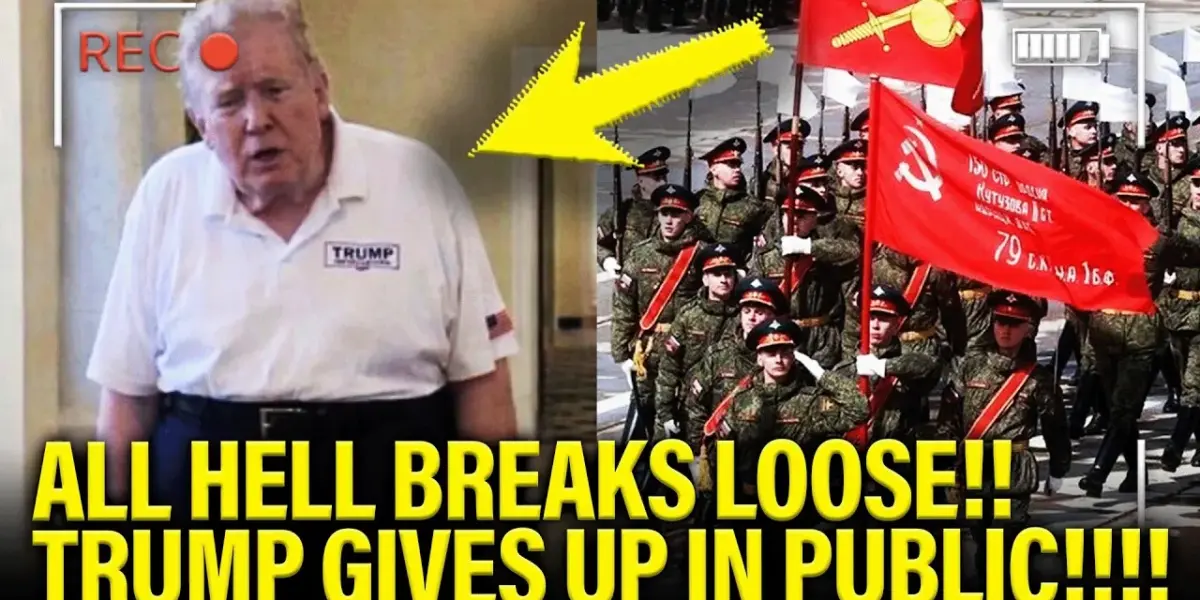
Trump’s Policies Fuel Global Instability, Empower Rivals
Recent actions and statements attributed to Donald Trump are causing concern among international observers. Critics argue that his policies are weakening alliances like NATO, benefiting Russia, and escalating conflicts, particularly in the Middle East. These developments are creating a ripple effect, impacting global markets and shifting geopolitical power.
Weakening Alliances, Strengthening Adversaries
Reports suggest that Donald Trump’s criticism of NATO is being met with approval by Russia. Russia’s special envoy to the United States, Kel Demetri, posted “goodbye NATO” with a dove emoji, signaling a potential shift in global dynamics. Many believe Russia is pleased by the prospect of the U.S. distancing itself from the alliance. This comes as Trump’s administration is accused of making moves that directly benefit Russia, such as lifting sanctions on Russian oil and Russian vessels. The Midas Touch Network highlighted instances where Trump allegedly allowed Russian oil tankers into Cuba while blocking aid from American allies, positioning Putin as a benefactor.
Furthermore, invitations extended to Russian Duma members to visit Washington D.C. and meet with MAGA Republican members of Congress are seen by some as legitimizing Russian officials. This is happening while Russia is engaged in its “special military operation” in Ukraine, a conflict that has drawn widespread international condemnation.
The Iran Conflict and Global Oil Markets
The ongoing conflict in Iran is also a major point of contention. Critics claim that Trump’s handling of the situation has led to a “catastrophic war” and a significant oil supply shock. This instability, coupled with the lifting of sanctions on Russia, has led countries like Japan to consider large purchases of Russian oil. Japan’s Prime Minister, Takahishi, is reportedly preparing to engage in significant trade with Russia, potentially involving “blood money,” according to Japanese journalist Torano Tekashi. This move is seen as enabled by Trump’s policy changes.
The situation in the Strait of Hormuz is particularly tense. France, along with China and Russia, is reportedly blocking United Nations Security Council resolutions that could lead to offensive military actions in the strait. French President Emmanuel Macron has called entering the Strait of Hormuz a “suicide mission” with “mass casualties,” blaming Trump’s independent actions for the escalating crisis. Macron has urged Trump to be more serious and consistent in his foreign policy, noting contradictions in his statements and actions.
“The threat of NATO’s breakup, easing sanctions on Russia, a massive energy crisis in Europe, halting aid for Ukraine, and blocking the loan for Kyiv by Orban. It all looks like Putin’s dream plan, right? All of this. Donald Trump is complicit, compliant, aiding, and embedding.”
— Polish Prime Minister Donald Tusk (as reported)
Shifting Alliances and Economic Repercussions
The perceived weakness of the United States under Trump’s policies is leading traditional allies to reconsider their security arrangements. The Gulf Cooperation Council (GCC) countries are reportedly planning to form their own security umbrella, as they can no longer rely on the U.S. for protection. Jordan’s parliament speaker has also called for a postwar joint defense and economic treaty for the Arab world to counter a stronger Iran.
Economically, the consequences are also significant. Foreign central banks have been selling U.S. Treasuries at an alarming rate, driven by concerns over the Iran war and potential inflation. Holdings at the Federal Reserve Bank of New York have dropped to their lowest level since 2012. This selling of U.S. government bonds is an effort by countries to support their own economies and currencies amidst global instability.
Domestic Policy Concerns
Beyond foreign policy, domestic decisions are also drawing criticism. The Trump administration’s decision to pay nearly $1 billion to Total Energies to cancel offshore wind projects and instead boost oil and gas production has been called “outrageous.” Critics argue that taxpayer money is being used to undermine clean energy initiatives and further reliance on fossil fuels, exacerbating climate change. State leaders have voiced strong opposition to this move, highlighting the irony of paying a company not to build renewable energy.
Historical Context and Future Outlook
The current geopolitical climate echoes past periods of shifting global power. The criticism of NATO and the perceived strengthening of Russia are reminiscent of Cold War tensions. The instability in the Middle East and its impact on oil prices have historical precedents, but the current situation is compounded by the interconnectedness of global economies and the rapid spread of information.
The future outlook suggests a continued period of uncertainty. If Trump’s policies persist, the weakening of alliances could embolden adversaries and lead to further regional conflicts. The economic consequences, such as the decline in foreign holdings of U.S. debt, could have long-term implications for American economic influence. The focus on fossil fuels over renewable energy also raises concerns about climate change and long-term energy security.
Why This Matters
The alleged actions and policies discussed have far-reaching implications. They affect international security by potentially undermining collective defense pacts like NATO. They impact global economies through oil price volatility and shifts in financial markets. Furthermore, the debate over energy policy, particularly the shift away from renewable energy towards fossil fuels, has significant consequences for climate change mitigation efforts and long-term energy independence. Understanding these complex interactions is crucial for navigating the challenges of the current global landscape.
Source: All HELL BREAKS LOOSE as Trump GIVES UP to RUSSIA IN WAR!!! (YouTube)

Related Articles

Trump’s Impossible Demands Reshape Justice Department
President Trump's demand for loyalty and action outside legal norms has reshaped the Justice Department. Recent departures, like Pam Bondi's, highlight the difficulty of fulfilling the President's "impossible tasks." The search for a new Attorney General continues amidst concerns about the DOJ's independence.

Trump’s Leadership: A Moral Vacuum for Young Learners?
Young people seek moral guidance from leaders, but what lessons does Donald Trump offer? Some argue his approach teaches negative behaviors like bullying and isolation, contrasting with traits like patience and gratitude seen in others. This raises questions about leadership character and its impact on societal values.

Trump’s Transparency: A Press Secretary’s Bold Claim
President Trump's press secretary, Sarah Huckabee Sanders, claims his public persona is identical to his private one. She states his directness eliminates guesswork, making her job easier by providing clear, unspun messages.