Iran War Escalates, Threatening Global Shipping Lanes
An escalating conflict involving Iran threatens to prolong fighting and disrupt global shipping through the Strait of Hormuz. Experts warn of unpredictable war dynamics and potential U.S. military actions against Iranian infrastructure, raising concerns about regional stability and economic impacts.

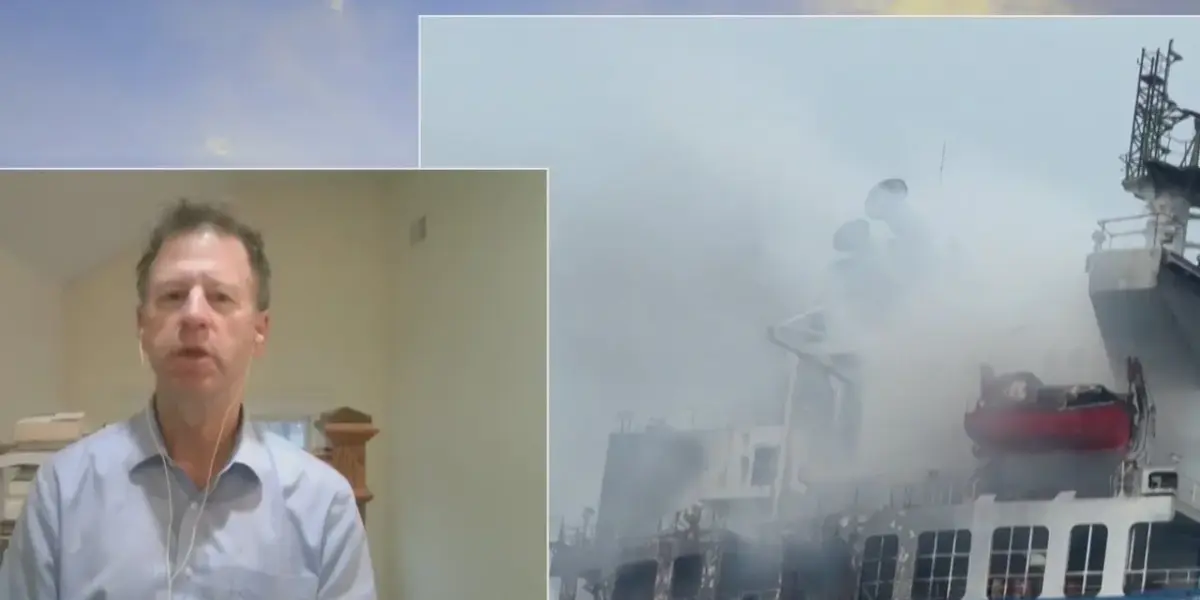
Iran Conflict Intensifies, Prolonged War Looms
The conflict involving Iran is showing signs of deepening, with experts warning it could drag on for months, potentially impacting global trade routes. This escalation raises serious concerns about regional stability and the flow of vital goods through key waterways.
A War of Unpredictability
The possibility of a protracted conflict is a significant worry. Even intelligence agencies like the CIA misjudged the duration of Russia’s war in Ukraine, which was expected to end quickly but has now lasted for years. Wars often become unpredictable, with both sides increasing their efforts. Iran, for instance, does not appear ready to negotiate an end to the current situation.
Furthermore, the ability to quickly reopen the Strait of Hormuz, a crucial chokepoint for oil transport, is uncertain. While a U.S. president might declare victory or claim regime change has occurred, this doesn’t automatically stop fighting or ensure shipping can resume. The U.S. military has targeted infrastructure, such as bridges, and could expand bombing to other sites like power plants if impatience grows.
Military planners often set up defenses, or firewalls, to contain conflicts. However, they may rethink these plans if initial efforts don’t work. This suggests the conflict could continue for a long time. While many hope for an end this month, there is no guarantee it will happen soon.
U.S. Military Actions and Strategic Goals
Following a recent presidential address, the U.S. military struck a major bridge in Iran. This action, resulting in casualties, suggests a cease-fire is not imminent. The attack on the bridge, along with other military planning against Iran, has been in development for years within the Pentagon and intelligence community.
From an intelligence and military standpoint, these operations may be proceeding as expected, with few surprises. The primary goal is to reduce Iran’s capacity to harm the U.S. and its allies. Reports indicate a significant decrease in Iran’s ability to launch attacks, including ballistic missiles. For example, over 6,000 Iranian-made shells were delivered to an unnamed recipient.
Current strikes appear designed to create pressure points, seeking a way to influence the Iranian government. The strategy seems to involve two main possibilities: either the Iranian regime collapses under its own weakness, or it is weakened to the point where it can no longer threaten the U.S. and its allies. Given the regime’s unpopularity and perceived fragility, many believe it is only a matter of time before it is dramatically weakened or fails.
Regime change may not have been the initial stated goal, but it could be a result of these outcomes. The question remains when and how this weakening will occur.
International Cooperation and Alliance Strains
The U.S. president has vowed to target Iran’s power plants if the Strait of Hormuz is not reopened. This statement comes as the United Kingdom recently organized a virtual meeting with around 40 countries, urging Iran to reopen the vital waterway. The absence of the United States from this particular call is noteworthy.
There are also tensions within the transatlantic alliance. The U.S. president has repeatedly threatened to withdraw from NATO, a stance he has maintained throughout his presidency. European leaders recognize the challenge of dealing with their most important ally and the potential consequences of the U.S. leaving NATO.
While the investor’s assessment of the Iranian regime’s weakness was insightful, some analysts disagree. They argue that while some leaders may be gone, the regime has had 47 years to establish itself. Its unpopularity alone doesn’t guarantee its downfall, and this outcome is not yet predictable.
Global Impact and Future Scenarios
The ongoing conflict and potential closure of the Strait of Hormuz could have severe global economic consequences. Disruptions to oil supplies could lead to price spikes and shortages worldwide. The involvement of numerous countries in diplomatic efforts, like the UK-led meeting, highlights the international nature of this crisis.
Future scenarios range from a swift diplomatic resolution to a prolonged, attritional conflict. The effectiveness of U.S. military actions in pressuring Iran, coupled with internal Iranian dynamics, will be key factors. The strength and unity of international alliances, particularly NATO, will also be tested as the situation evolves.
Historical context shows that conflicts in the Middle East often have far-reaching and unpredictable consequences. Past interventions and diplomatic efforts have yielded mixed results, underscoring the complexity of the region.
The economic leverage, including potential sanctions and control over energy routes, plays a critical role. The ability of nations to coordinate responses and maintain open shipping lanes will determine the extent of global economic impact. The current situation demands careful diplomatic maneuvering and a clear understanding of the competing interests at play.
Source: Iran war 'could go on indefinitely,' foreign policy analyst warns | Morning in America (YouTube)

Related Articles
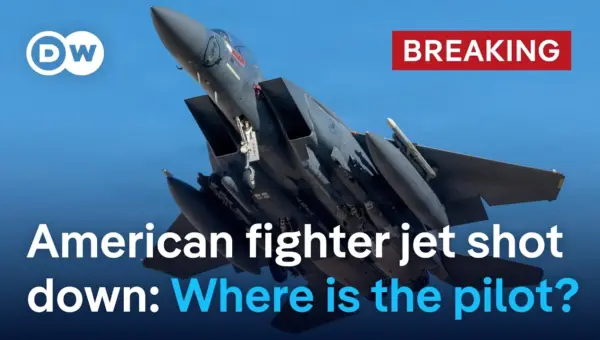
US Jet Downed in Iran: Crew Fate Unknown, War Unpopular
An American F-15 fighter jet has been shot down over Iran, with U.S. officials confirming the loss but offering few details on the crew's fate. The incident occurs amid widespread public opposition to the war and raises questions about Iran's air defense capabilities.

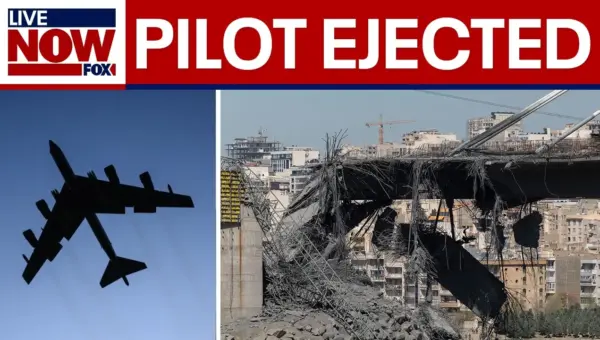
Iran Claims US Pilot Ejected; US Silent Amid Escalating Tensions
Iran claims a U.S. pilot ejected from a fighter jet over its territory, offering a reward for capture. The U.S. has not confirmed the report amid escalating regional tensions. Military experts discuss the strategic implications of U.S. strikes and the potential for internal change in Iran.

US Pilot Feared Lost in Iran; Search Underway
The U.S. military is conducting a search operation inside Iran for an American pilot whose fighter jet may have been downed. Details are limited, with uncertainty over whether the plane was shot down or suffered mechanical failure. The operation highlights the complexities of rescue missions in hostile territory and occurs amid heightened regional tensions.