Trump Declares Iran War Nearing End, NATO Future Uncertain
President Trump declared the US military operation in Iran nearing completion, projecting a swift end to intensified bombing within weeks. However, Iran disputes this, stating the war is far from over. Meanwhile, the future of NATO hangs in the balance as Trump considers US withdrawal, sparking debate on the alliance's relevance and legal hurdles for exit.

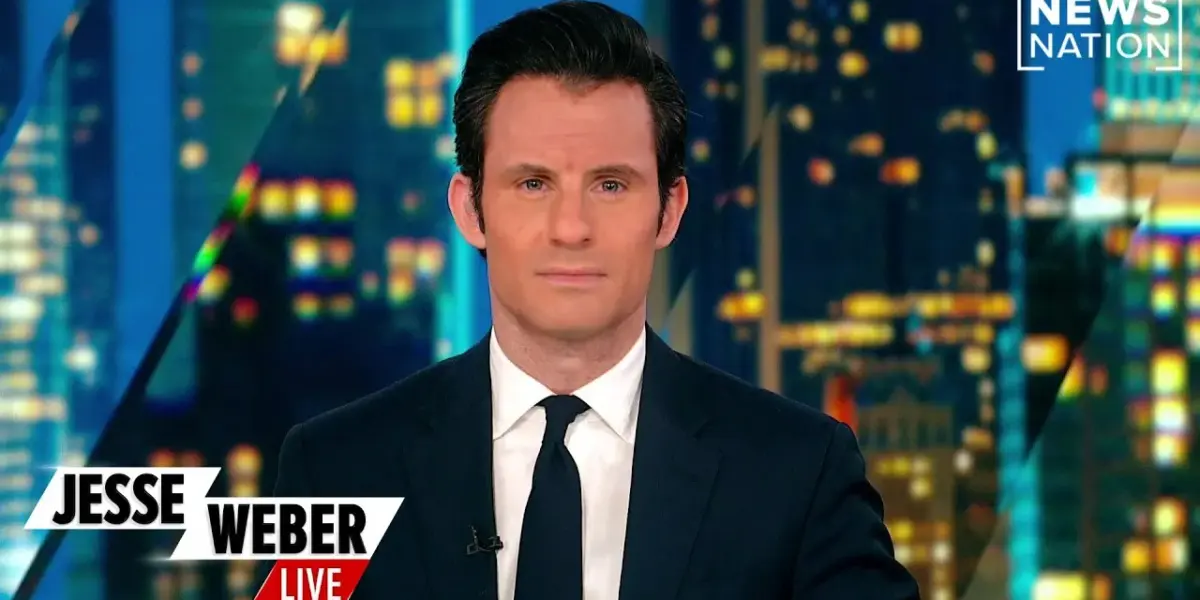
Trump Declares Iran War Nearing End, NATO Future Uncertain
President Trump announced that the United States’ military operation in Iran is nearing completion. In his first prime-time address since launching strikes, he stated that American military objectives would be met shortly, with intensified action expected over the next two to three weeks. This declaration comes about a month after the initial US and Israeli air strikes against Iran.
Iran, however, has publicly disagreed with the president’s assessment. State media reported that the war is far from over and denied any interest in a ceasefire. Iran’s president had previously suggested diplomacy, sending a letter to the US stating that confrontation is costly and engagement is a more consequential choice.
The speech also touched upon domestic concerns, with President Trump blaming Iran for rising gas prices. He argued that Iran’s attacks on oil tankers, not the ongoing conflict, caused the short-term price increases. He reiterated that Iran cannot be trusted with nuclear weapons.
US Allies and Regional Reactions
Reactions from the Middle East have been cautious. As of early morning in the region, key US allies like the UAE, Qatar, and Saudi Arabia had not issued direct responses to the president’s speech. Israel also had not made a direct statement, leaving anticipation for a potential response from Prime Minister Benjamin Netanyahu.
Jessica Cartalia, reporting from Doha, Qatar, noted that Iran’s response was a clear rejection of the president’s claims of victory. While US allies have been quiet, the focus remains on Iran’s reaction and its continued support for conflicts in Iraq and Yemen, indicating a belief in their ability to prolong the fight.
Domestic Political Divide on Iran Strategy
In the United States, the president’s address was met with predictable partisan reactions. Republican sources indicated that the president effectively communicated his points while leaving out potentially divisive topics. They described the speech as clear and concise, though offering little new information.
Conversely, Democratic leaders like Senate Minority Leader Chuck Schumer criticized the speech. He called it rambling and disjointed, labeling it a pathetic war speech. This division highlights the ongoing political debate surrounding the administration’s foreign policy and military actions.
The Iran Question: Weakened or Resilient?
A key question following the president’s address is the true state of Iran. While Trump suggested Iran’s military capabilities have been severely degraded, with its navy and air force gone, and its ability to support terrorist groups crushed, Iran’s continued threats against US companies and universities suggest a different narrative.
Iran’s defiance indicates a belief in their capacity to continue the conflict. The targeting of American businesses like JP Morgan Chase and Meta has raised concerns among corporate leaders, potentially influencing the administration’s timeline and rhetoric.
NATO’s Uncertain Future Amidst Conflict
Notably absent from President Trump’s address was any direct mention of NATO. This omission comes just days after the president indicated he was considering withdrawing the US from the alliance, a stance he has held since his 2016 campaign.
President Trump has frequently criticized NATO, calling it obsolete and a one-way street, arguing that member nations do not pay their fair share. This sentiment echoes historical US concerns, with figures like President John F. Kennedy also expressing frustration over defense spending contributions from allies.
Understanding NATO: History and Purpose
The North Atlantic Treaty Organization (NATO) was formed in 1949 after World War II and at the start of the Cold War. Its initial goals were to deter Soviet expansion, limit militarism in Europe, and encourage political unity in a war-torn continent. Twelve countries were founding members, including the US, UK, and Canada.
At its core, NATO operates on the principle of collective defense: an attack on one member is considered an attack on all. This is enshrined in Article 5 of the NATO treaty, which has only been invoked once, following the 9/11 terrorist attacks.
NATO Today: Membership and Responsibilities
Today, NATO has 32 members, with Finland and Sweden being the most recent additions following Russia’s invasion of Ukraine. All members are expected to maintain their capacity to resist attack, uphold democratic values, and cooperate with allies. They must also ensure civil preparedness and interoperability of forces.
Regarding funding, members pledge to spend at least 2% of their GDP on defense, with plans to reach 5% by 2035. While not all members met the 2% target in 2024, it is expected that all 32 will by 2025, driven by increased spending following Russia’s actions.
Legal and Practical Challenges of US Withdrawal from NATO
The question of whether the US can legally leave NATO is complex. A law passed in 2023 requires Congressional approval, specifically a two-thirds vote in the Senate, for any withdrawal from the alliance. A president attempting to withdraw unilaterally would likely face significant legal challenges, potentially reaching the Supreme Court.
Even without a formal withdrawal, a president could weaken NATO’s effectiveness. Actions such as pulling troops from Europe, reducing military support, or signaling a lack of commitment could undermine the alliance’s practical strength, even if it remains in existence on paper.
Expert Analysis: The Value of NATO
Retired Marine intelligence officer Hal Keir suggests that President Trump’s focus on a swift conclusion to the Iran operation is partly due to domestic political pressure. He noted that the president’s mention of the Strait of Hormuz naturally opening up could imply allies stepping in, especially if the US were to disengage.
International law specialist David Tfuri believes that both the US and NATO need each other. He argues that NATO provides crucial geostrategic benefits, especially in potential conflicts with China, and that withdrawing forces from Europe offers little cost savings. Tfuri also pointed out that a law passed in late 2023 restricts the president from drawing down US forces in Europe for more than 45 days, potentially limiting drastic actions.
The Legal Battleground: Congress vs. Executive
Tfuri explained that if a president attempted to withdraw from NATO without Congressional consent, the justification would likely be the commander-in-chief powers and executive authority over foreign policy. Congress would have to challenge this in court, with the Supreme Court ultimately deciding the outcome. He also noted that a Republican-controlled Congress might be hesitant to bring such a case.
However, Tfuri agrees that a president could significantly weaken US cooperation with NATO from within the alliance without formally leaving. This could involve reducing troop presence, scaling back support, or signaling a lack of full commitment, effectively diminishing NATO’s operational capacity.
NATO as a Deterrent: Myth or Reality?
Hal Keir asserts that Russia views NATO as a significant obstacle to its expansionist ambitions, not a paper tiger. He points to NATO’s increased size and strength with the inclusion of Sweden and Finland as evidence of its continued relevance and effectiveness in countering Russian influence.
He also draws a parallel to Charles de Gaulle’s disengagement of France from NATO’s military structure in the 1960s, suggesting that the US could similarly reallocate forces or reduce its direct involvement without officially leaving. This historical precedent highlights that a nation can maintain membership while altering its level of participation.
The Upside of Leaving NATO? Experts Doubtful
David Tfuri sees no upside to the US withdrawing from NATO. He argues that the US defense budget would likely remain high, and without allies, the US might even need to increase its spending to compensate for the loss of collective security. The 2023 law restricting troop drawdowns further complicates any rapid exit.
Artemis 2 Mission Launches Towards the Moon
In separate news, NASA successfully launched the Artemis 2 mission, sending four astronauts on a journey to the moon. This marks the first crewed mission to lunar space in over half a century, with aspirations of eventually reaching Mars. The launch signifies a significant step in humanity’s renewed exploration of space.
Supreme Court Hears Arguments on Birthright Citizenship
President Trump made history by visiting the Supreme Court during oral arguments for a case concerning his executive order on birthright citizenship. The order aimed to limit citizenship for children born in the US to undocumented immigrants.
The 14th Amendment states that all persons born or naturalized in the US are citizens. Justices from both liberal and conservative wings questioned the administration’s legal arguments, particularly regarding the order’s compatibility with federal law and the Constitution. The court’s decision, expected in early summer, could have significant implications for immigration policy.
Source: Sharks Test Positive for Drugs; Trump Addresses Nation on Iran | Jesse Weber Live Full Show 4/1 (YouTube)

Related Articles

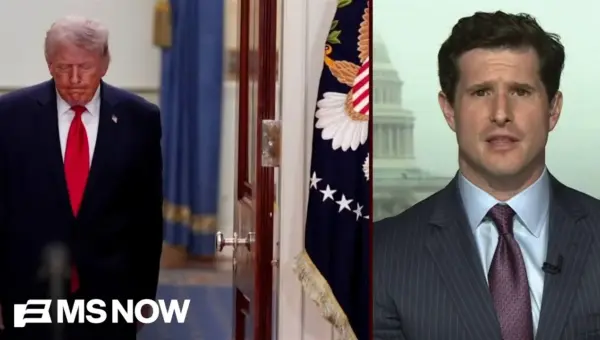
Trump Weighs War Exit Amid Iran Strikes and Internal Debate
President Trump is reportedly facing internal debate over how to end the escalating conflict with Iran, according to a new Time Magazine report. While publicly vowing to increase strikes, privately Trump seeks an "off-ramp" to declare victory and avoid domestic backlash, even as advisors express surprise at Iran's retaliatory attacks.

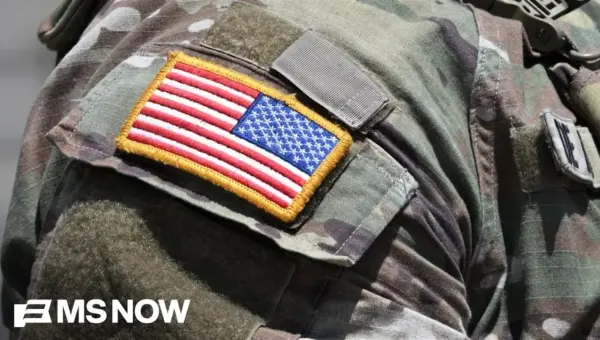
US Pilot Feared Lost in Iran; Search Underway
The U.S. military is conducting a search operation inside Iran for an American pilot whose fighter jet may have been downed. Details are limited, with uncertainty over whether the plane was shot down or suffered mechanical failure. The operation highlights the complexities of rescue missions in hostile territory and occurs amid heightened regional tensions.

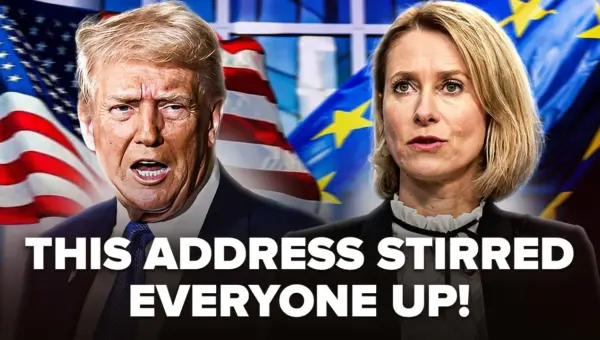
US Policy Shift Stuns Allies, Weakens Global Security
US policy shifts regarding Ukraine, the Strait of Hormuz, and NATO are raising concerns among allies and creating global instability. Critics point to a lack of strategic planning and diplomatic consultation, potentially emboldening adversaries and undermining international security.