Iran’s Regime Faces Pressure as US Focuses Inward
The U.S. faces a dual challenge: navigating complex foreign policy in Iran while grappling with deep domestic political divisions. The administration's strategy towards Iran is under scrutiny, with questions about its clarity and effectiveness. Simultaneously, the Supreme Court is hearing a pivotal case on birthright citizenship, potentially reshaping constitutional law.

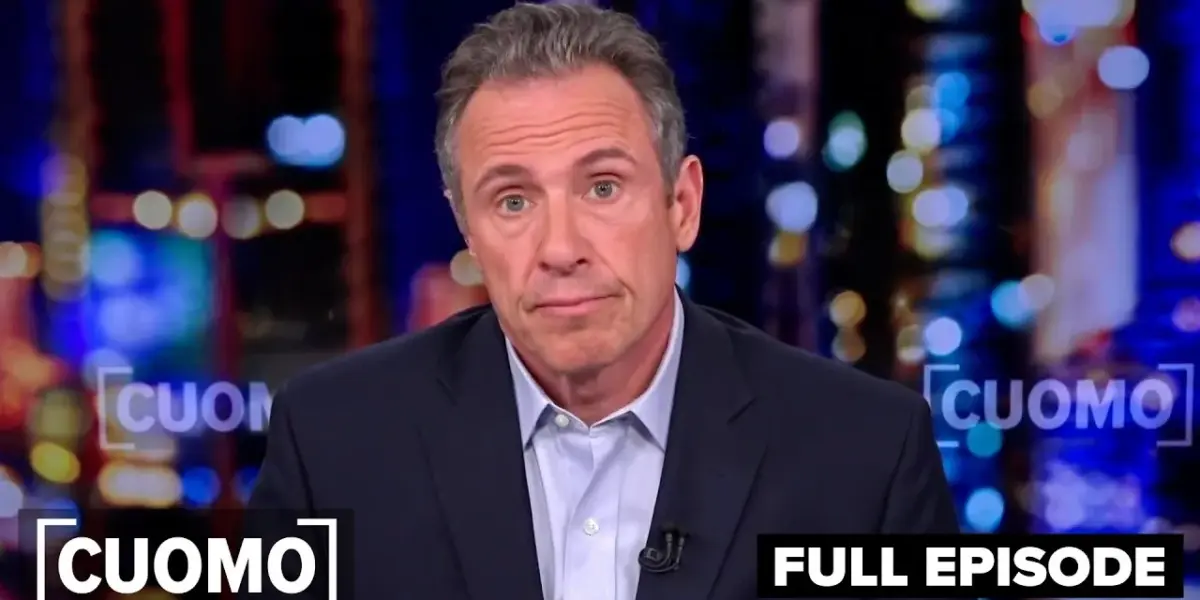
Iran’s Regime Faces Pressure as US Focuses Inward
The United States is grappling with complex foreign policy challenges, particularly concerning Iran, while simultaneously facing internal political divisions that impact its ability to act decisively on the global stage. A recent address by President Trump to the nation on Iran highlighted these tensions, suggesting a mixed strategy of confronting the Iranian regime while also seeking potential diplomatic openings. However, the effectiveness and honesty of these communications are being questioned, raising concerns about the clarity of U.S. objectives and their impact on both domestic and international audiences.
U.S. Strategy Towards Iran Under Scrutiny
The White House has suggested that President Trump aims to convey that U.S. goals in Iran have been met or exceeded. This narrative, however, is met with skepticism. Instead, reports indicate the president is expected to frame Iran’s new regime president, Masud Pezeshkian, as a sign of potential regime change and readiness for a ceasefire. Pezeshkian’s recent letter, despite its poor writing, has been interpreted by critics as disingenuous and filled with falsehoods about the regime’s past and intentions. The core concern is that Pezeshkian, far from representing a new era, remains a subordinate figure within the existing theocratic structure, with real power held by a small group of top leaders, including heads of the IRGC and judiciary.
This situation presents a challenge for the Trump administration’s stated goal of confronting Iran. Critics argue that the approach of engaging with figures like Pezeshkian, whose regime consistently chants “death to America,” is misleading. The strategy of military intervention, particularly the deployment of ground troops, is seen by some as a questionable decision that may have worsened the situation, potentially motivating the regime to increase its hostile actions. The focus on military action, rather than building international coalitions and employing soft power, is seen as a misstep. This approach has been criticized for prioritizing U.S. interests in the region as defined by allies like Israel, rather than focusing on domestic issues.
The historical context of U.S.-Iran relations is crucial here. Following the 1979 revolution, relations have been deeply adversarial. The U.S. has long sought to counter Iran’s regional influence and its nuclear program. The current administration’s actions, including military strikes and sanctions, are part of a long-standing effort to contain Iran, but the effectiveness and wisdom of these tactics are debated. The concern is that the current strategy, driven by a desire to project strength and satisfy allies, may be alienating domestic support and failing to achieve lasting stability.
Domestic Divisions Hamper Foreign Policy
Compounding the challenges in Iran is the deep political division within the United States, particularly the ongoing government shutdown. Reports of a potential deal to end the shutdown between Republicans in the House and Senate have emerged, but the absence of Democratic support means no final agreement is in place. This internal gridlock highlights a broader issue: the inability of the two major parties to find common ground, which directly impacts the nation’s ability to project a unified front internationally.
The shutdown itself is seen as a symptom of this dysfunction. While Democrats initiated it, Republicans are accused of prolonging it for perceived political advantage. The lack of bipartisan consensus on critical issues, including foreign policy and domestic budgets, weakens the U.S. position. Senator Joe Manchin and former Trump Chief of Staff Mick Mulvaney discuss the breakdown in legislative process, emphasizing that minority party participation is essential for effective governance. The call for making government shutdowns illegal and potentially reforming Senate rules like the filibuster reflects a desire for more stable and functional governance.
The economic implications of these domestic issues are significant. A prolonged shutdown can disrupt government services and create economic uncertainty. Furthermore, the ongoing debate over the war in Iran and its costs suggests a growing public desire for a swift resolution, even if all objectives are not met. This public sentiment, shared by a notable portion of Republicans, puts pressure on the administration to justify its foreign policy actions and their associated expenses.
Supreme Court Weighs Birthright Citizenship
In parallel to the Iran discussions, the U.S. Supreme Court is hearing a critical case concerning birthright citizenship, a cornerstone of the 14th Amendment. President Trump’s attendance at the oral arguments marked a historic moment, underscoring his administration’s challenge to the long-standing interpretation of the amendment. The core issue is whether children born in the U.S. to parents who are in the country illegally or are temporary visitors are automatically entitled to citizenship.
The administration’s argument hinges on the phrase “subject to the jurisdiction thereof” in the 14th Amendment. However, legal scholars and many justices appear skeptical. Chief Justice John Roberts questioned the administration’s broad interpretation, contrasting the “tiny and sort of idiosyncratic examples” used to justify the policy with the large group it aims to affect. He pointed out that the world has changed since the amendment’s ratification, but emphasized that the Constitution remains the same, pushing back against arguments that contemporary circumstances warrant a unilateral reinterpretation.
Legal experts like Ellie Mustain and former Trump attorney Bill Brennan suggest that an executive order cannot alter a constitutional amendment. Brennan stated that such changes require formal amendment or repeal, a process involving Congress. Mustain believes the Court took the case partly to assert its independence from presidential pressure, demonstrating that it cannot be bullied. She anticipates the administration will lose the case, arguing that there are not five votes to support Trump’s position. The historical context of birthright citizenship, established after the Civil War, was intended to grant citizenship to formerly enslaved people. The current case, however, has become a focal point for debates on immigration and national identity.
Global Impact and Future Scenarios
The intertwined issues of U.S. foreign policy in Iran and domestic political dysfunction create a precarious global standing for the United States. The administration’s communication strategy regarding Iran, characterized by ambiguity and potentially misleading statements, risks confusing allies and emboldening adversaries. If the U.S. appears indecisive or internally divided, regional powers like Iran may see an opportunity to advance their interests, potentially destabilizing key energy routes like the Strait of Hormuz. The economic consequences of such disruption could be severe, with potential spikes in oil prices impacting the global economy.
The Supreme Court’s decision on birthright citizenship will have significant implications for immigration policy and the interpretation of the Constitution. A ruling against birthright citizenship could fundamentally alter U.S. nationality law, while upholding it would reinforce existing legal precedents. The manner in which the Court handles this case, particularly its engagement with presidential actions, will also speak volumes about the balance of power between the executive and judicial branches.
Several future scenarios are possible. In Iran, the U.S. could continue its current confrontational approach, risking further escalation or seeking a diplomatic resolution through a broader coalition. A failure to achieve clear objectives or a perception of weakness could lead to increased regional instability. Domestically, if political divisions persist, the U.S. may struggle to address both foreign policy challenges and pressing national issues like healthcare and corporate regulation. The Supreme Court’s ruling on birthright citizenship, regardless of the outcome, will undoubtedly fuel ongoing debates about immigration, constitutional law, and the very definition of American identity.
Why This Reshapes the World Order
The current period highlights a critical juncture for the United States. Its capacity to lead on the global stage is being tested by its internal divisions and the complexities of its foreign policy. The tension between projecting strength abroad and addressing domestic crises, coupled with the Supreme Court’s re-examination of fundamental constitutional principles, suggests a potential recalibration of American power and influence. How these challenges are navigated will shape not only U.S. policy but also the broader international order for years to come.
Source: Trump Addresses Nation On Iran, SCOTUS Skeptical Of Birthright Citizenship Ban | CUOMO Full Show 4/1 (YouTube)

Related Articles

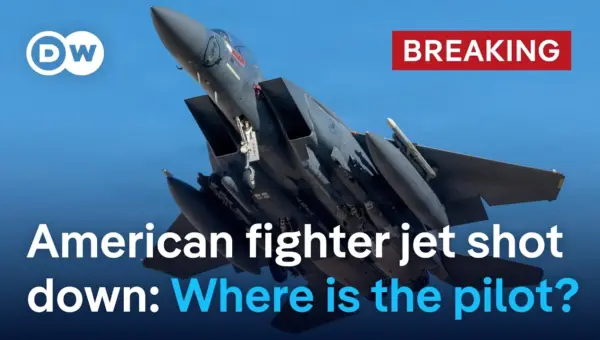
US Jet Downed in Iran: Crew Fate Unknown, War Unpopular
An American F-15 fighter jet has been shot down over Iran, with U.S. officials confirming the loss but offering few details on the crew's fate. The incident occurs amid widespread public opposition to the war and raises questions about Iran's air defense capabilities.

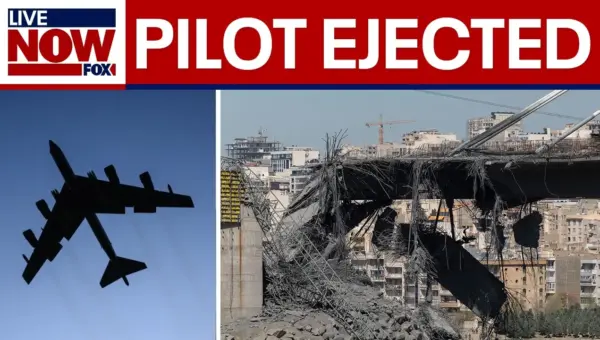
Iran Claims US Pilot Ejected; US Silent Amid Escalating Tensions
Iran claims a U.S. pilot ejected from a fighter jet over its territory, offering a reward for capture. The U.S. has not confirmed the report amid escalating regional tensions. Military experts discuss the strategic implications of U.S. strikes and the potential for internal change in Iran.

US Pilot Feared Lost in Iran; Search Underway
The U.S. military is conducting a search operation inside Iran for an American pilot whose fighter jet may have been downed. Details are limited, with uncertainty over whether the plane was shot down or suffered mechanical failure. The operation highlights the complexities of rescue missions in hostile territory and occurs amid heightened regional tensions.