Online Chat Rooms Mirror Society’s Darker Jokes
Online gaming chats often feature edgy jokes, but are they harmless humor or a sign of deeper issues? This discussion explores the line between offensive humor and genuine hate speech in digital spaces. Understanding these online dynamics is crucial as they reflect and influence societal norms.

Online Chat Rooms Mirror Society’s Darker Jokes
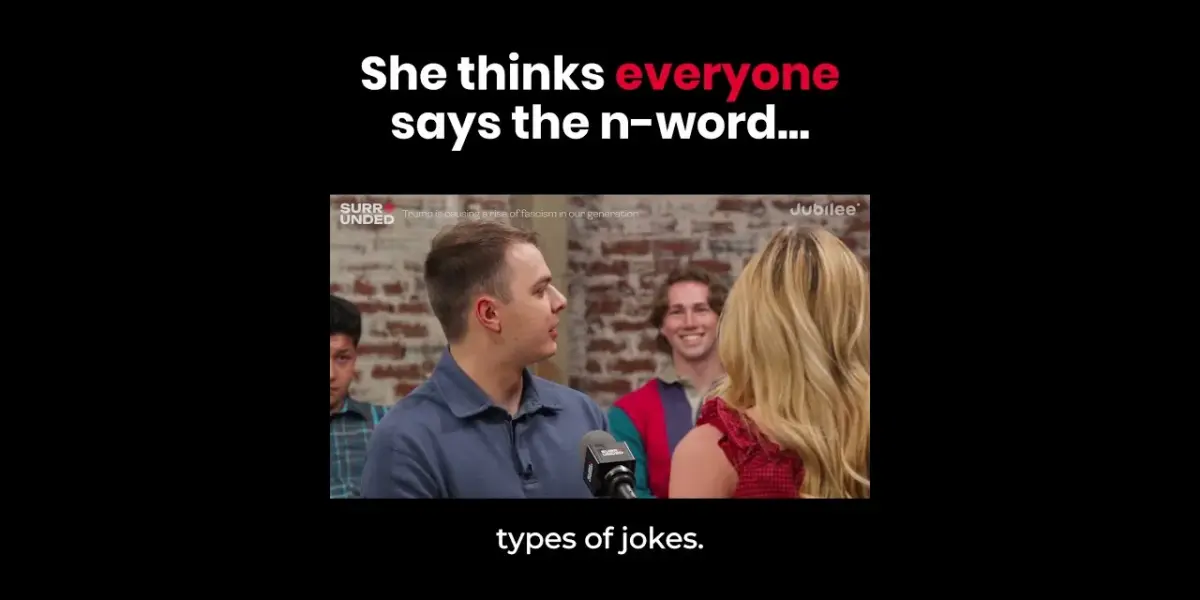
The online world, often seen as a separate space, can sometimes reflect uncomfortable truths about our society. Recently, a discussion about the nature of online conversations, particularly in gaming communities like Call of Duty, brought this into sharp focus. It raised questions about what is considered acceptable humor and how we interpret it.
The Call of Duty Lobby Analogy
One perspective shared in the discussion suggested that certain offensive language, often heard in online gaming lobbies, is simply ‘edgy joking.’ This viewpoint argues that these jokes don’t necessarily signal a rise in dangerous ideologies like fascism. Instead, it’s presented as a common, albeit crude, form of humor among many young men.
The idea is that in environments where anonymity is high, people might say things they wouldn’t say face-to-face. This can include jokes that push boundaries. The speaker pointed out that if someone claims never to have heard such jokes, they might not have experienced typical social interactions among young men.
Admitting to the Jokes
When directly asked to admit to making these types of jokes, there was hesitation. The reason given is that it’s considered ‘kind of weird’ to openly admit to making jokes that use offensive language. This suggests a societal awareness, even among those who participate, that such humor is not universally accepted or considered polite.
The conversation then took a turn, questioning the social circles of those who claim to be unfamiliar with this kind of joking. The implication was that if you haven’t been in a group where offensive words are used, even as a joke, you might be missing out on a common social experience. This perspective suggests that ‘everyone does that,’ and denying it might mean having fewer male friends or being out of touch with a certain type of male bonding.
Interpreting the Intent
The core of the debate lies in intent versus impact. Is the use of offensive language in online chats purely for shock value and a laugh among peers, or does it indicate a deeper societal problem? The argument presented is that these are ‘edgy jokes’ and not a reflection of genuine hate or political extremism. It’s like saying a dark joke at a party; the context and audience matter.
However, the line between edgy humor and genuinely harmful speech is often blurry. What one person considers a harmless joke, another might find deeply offensive and hurtful. This is especially true when the jokes target specific groups or use slurs. The anonymity of the internet can embolden people to express views or use language they would otherwise censor.
Why This Matters
Understanding these online dynamics is important because they offer a glimpse into how language and social norms are evolving, or perhaps, how they are being tested. The ease with which offensive language can spread in online spaces, even under the guise of humor, raises concerns about desensitization. If harmful words become normalized through jokes, they can lose their power to offend, which might, in turn, make society more tolerant of actual hate speech.
This discussion highlights the disconnect that can exist between online behavior and offline social expectations. It also points to the challenges in policing online speech. Where do we draw the line between free expression, even if offensive, and the need to protect individuals and groups from harassment and hate?
Historical Context and Future Outlook
Throughout history, humor has often been used to test social boundaries and challenge norms. From ancient satire to modern stand-up comedy, comedians have used taboo subjects to provoke thought and laughter. Online communities, with their rapid spread of information and tendency towards anonymity, have amplified this tendency.
However, the speed and reach of online platforms mean that offensive content can spread far wider and faster than ever before. This raises questions about responsibility, both for the platforms that host these conversations and for the users who participate in them. As online interactions become an even larger part of our social lives, understanding these coded forms of communication and their potential impact becomes crucial.
The future likely holds ongoing debates about online speech. We will continue to grapple with how to balance freedom of expression with the need for safe and inclusive online spaces. The challenge will be to distinguish between jokes that are merely crude and those that genuinely promote harm or discrimination. This requires a nuanced understanding of context, intent, and the real-world impact of words, no matter how they are delivered.
Source: She Exposed HERSELF 🤣🤦♂️ (YouTube)

Related Articles

MAGA Hosts Confronted: AI, Hate Speech, and Democracy’s Fragile State
A recent TV exchange exposed deep divisions over political rhetoric, AI's role in spreading fear, and the crucial need to condemn hate speech. The discussion highlighted how divisive tactics and manipulated media challenge democratic norms, raising concerns for the future of public discourse.
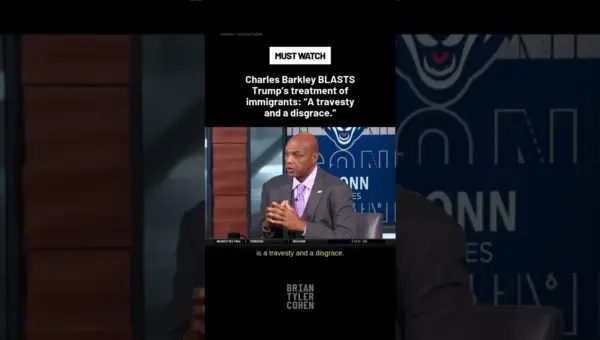
Barkley Slams Trump: Immigrant Treatment a Disgrace
Charles Barkley has strongly criticized the treatment of immigrants in the U.S., calling it a "travesty and a disgrace." He emphasized the vital role immigrants play in building the nation and called for greater respect and admiration for their contributions.

Songs That Went Viral Again for Wild Reasons
Some songs just refuse to fade away, finding new life through internet trends and unexpected events. From family feuds to TikTok dances and viral pranks, these 10 tracks experienced bizarre but brilliant comebacks, proving that music can always find a way to resonate with new audiences.