Trump’s Iran Speech Sparks Oil Spikes, Economic Fears Globally
President Trump's recent remarks on Iran have triggered an 11% spike in oil prices and rattled global markets. Experts warn of significant economic fallout, from rising consumer costs to potential disruptions in farming and travel. New tariffs on drugs and proposed changes to 401(k) investments add further layers of economic uncertainty.

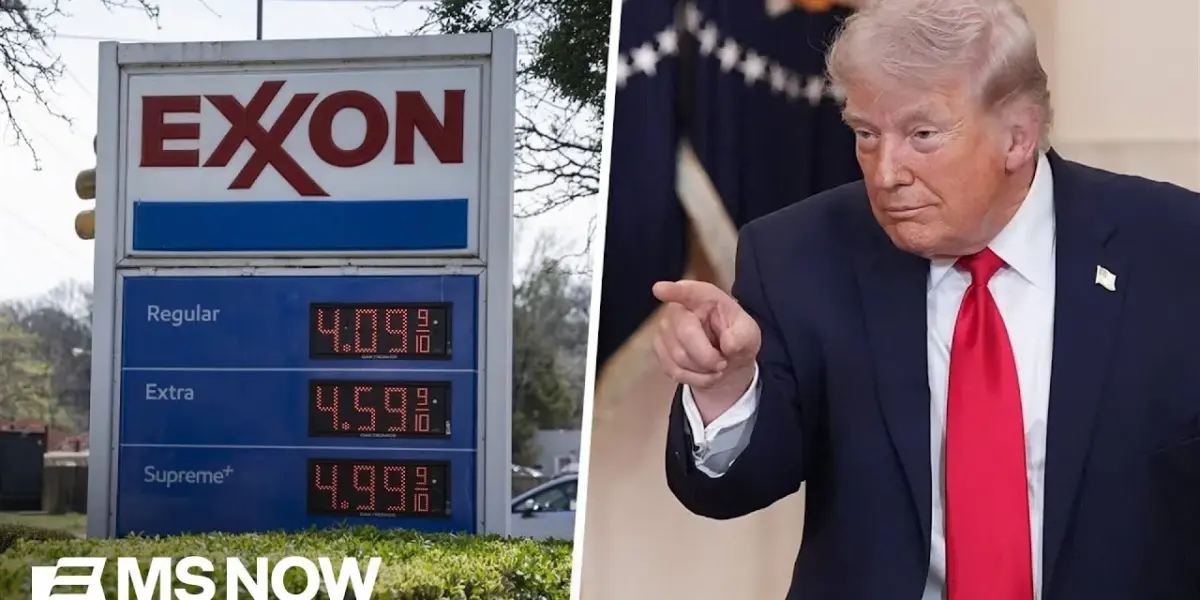
Global Markets Reel After Trump’s Iran Address
President Trump’s recent address regarding potential military action in Iran has sent shockwaves through the global economy, failing to ease tensions and instead triggering significant increases in oil prices and widespread economic uncertainty. The speech, delivered with a vow to strike Iran “extremely hard,” immediately sent oil prices soaring by 11 percent, highlighting the delicate balance of international relations and its direct impact on financial markets. The stock market also experienced volatility following the remarks, with major indices like the S&P and NASDAQ closing higher after a turbulent day, while the Dow Jones Industrial Average saw a slight decline.
Oil Price Surge Creates Global Economic Disruption
Brendan Greeley, a contributing editor for The Financial Times, described the immediate aftermath of Trump’s speech as a clear indicator of rising oil prices. “No. In fact, we immediately saw on the price of oil that it rose,” Greeley stated. This price hike is not just a U.S. concern. “What we’re seeing all over the world, particularly in Asia, is what we find alarming in the U.S. is kind of a disaster and an emergency in other countries.”
The consequences are tangible and severe in many parts of the world. The Australian prime minister has urged citizens to reduce oil consumption, a notion considered unthinkable in the United States. Farmers in various nations are contemplating not planting crops due to the prohibitive cost of fuel for tractors. Greeley explained a phenomenon analysts are calling an “air gap approach.” This refers to the current situation where oil shipments that have already passed through the Strait of Hormuz are reaching their Asian destinations, but no new shipments are following to fill the supply gap. “So one important thing to remember is, one way in which Trump is right, we’re seeing prices go up at the pump here. That has political consequences. In other places in the world, particularly in Australia, Asia, Japan, the Philippines, what we’re really seeing is an approaching disaster,” he added.
US Economy Faces Ripple Effects Beyond Gas Prices
Natasha Suri, a former Treasury official and Yale Law professor, discussed the broader economic impact on the United States. While acknowledging that energy shocks have less of a bite than in previous decades due to advancements like fracking, Suri emphasized that the effects are still significant. “But we’re seeing the impact start to show up in different places at this point,” she noted.
As an example, United Airlines recently increased its checked bag fee by $10, directly attributing the hike to climbing fuel prices. Suri predicts more such cost increases will appear across various sectors. “It’s not that those impacts aren’t significant even at the gas pump where you’re already seeing prices above $4 a gallon,” Suri explained. She estimated that a prolonged closure of the Strait of Hormuz could shave approximately 0.3% off U.S. GDP in the coming year, translating to billions of dollars in lost economic activity.
The ripple effects extend further. Airlines, particularly in Europe, are reconsidering the viability of certain flight routes, impacting both European and American travelers. Suri also highlighted the impact on fertilizer prices, as fertilizer shipments frequently pass through the Strait of Hormuz. This directly affects American farmers at the start of their planting season, forcing difficult decisions as input costs, including fuel and fertilizer, may exceed the potential selling price of their produce. “So all of this is like really quite significant and the cascading effects on the economy are quite large,” Suri stated. She cautioned that even if the conflict were resolved immediately, these economic effects would persist for months.
New Tariffs Add to Economic Pressures
Amidst the escalating economic concerns, President Trump also announced a new 100% tariff on branded drugs produced abroad, with an incentive for companies to move production to the U.S. This move was framed by the administration as a response to the ongoing economic challenges. However, Greeley suggested this approach might indicate a weakening of Trump’s position compared to his previous broad tariff impositions.
“He is, if it’s possible to describe Donald Trump as chastened, he is somewhat chastened,” Greeley remarked. He pointed out that the administration is using different legal authority, specifically Section 232, which allows tariffs in cases of national security emergencies. Greeley also noted the numerous exceptions within the drug tariff policy, suggesting the headline figure is designed for political impact rather than strict economic application. “What we’re actually looking at is a lot of exceptions that reflect the fact that Trump does not have the political power or even the legal power that he was claiming one year ago today,” he concluded.
Concerns Over 401(k) Investments in Risky Assets
Adding to the economic anxieties, the administration has proposed a new rule that would allow employees to invest their 401(k) savings in alternative assets like cryptocurrency and private equity. This proposal comes at a time when these markets are already showing signs of instability.
Suri expressed significant concern about this development. She explained the nature of private credit, where companies borrow from firms like Apollo or KKR instead of traditional banks. These loans often come with more attractive terms partly because these firms avoid the stringent regulatory scrutiny faced by banks, which makes lending to riskier borrowers more expensive. “So we know that, and there were some tremors in the market in the fall when you started to see potential areas of fraud that were we know that there is some uncertainty about the nature of the types of investments that these firms have made,” Suri said.
At a moment when wealthy investors are already seeking to redeem their funds from these private credit markets, the administration’s proposal to open these avenues to retail investors via 401(k)s is seen as deeply concerning. “I actually think that’s deep cause for concern and in fact illustrates why it has actually been difficult to invest your 401ks in private credit and in crypto. In the past, we want to keep those retirement security secure and not actually make some risks by associating it with these types of assets,” Suri warned. The fear is that ordinary individuals could be left with significant losses if these risky investments falter.
Looking Ahead: Economic Resilience Tested
The coming weeks will be crucial in observing how global markets absorb the ongoing geopolitical tensions and their economic fallout. The long-term impact of supply chain disruptions, rising energy costs, and the effectiveness of new trade policies will be closely monitored. Furthermore, the debate surrounding the proposed changes to 401(k) investment options is likely to intensify as policymakers and the public weigh the potential risks to retirement security against the allure of higher returns in alternative asset classes.
Source: Trump's address on Iran war fails to calm global economy (YouTube)

Related Articles

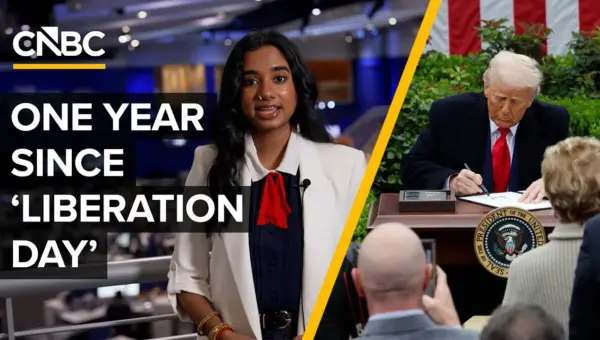
Tariffs Cost Trillions: How Markets Recovered
Sweeping tariffs initially wiped out $2.4 trillion in market value, but a swift rebound followed. Companies now grapple with rising costs, with consumers ultimately bearing the brunt through higher prices.


Trump’s ‘Golden Age’ Claims Face Economic Reality Check
Donald Trump's claims of an $18 trillion economic boom fueled by tariffs are met with skepticism. While supporters cite job creation, many business owners report negative impacts like job cuts and slowed growth. The actual economic gains and the effectiveness of tariffs remain a subject of intense debate.
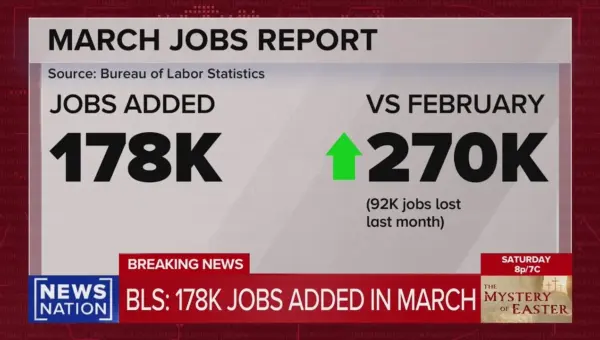
US Jobs Surge Defies War Fears, Shows Economic Strength
The U.S. economy added 178,000 jobs in March, far exceeding expectations and showing resilience despite the start of the Iran conflict. Key sectors like healthcare and transportation drove growth, while the unemployment rate dipped to 4.3%. This performance suggests the labor market is strong, even amid global uncertainties.