Labour Eyes North Sea Gas Approval Amid Energy Security Fears
Energy Secretary Ed Miliband is reportedly set to approve the Jackdaw gas field in the North Sea, a notable shift in Labour's energy policy. This decision is driven by concerns over energy security, job protection in the region, and the current geopolitical climate. The move comes as the government faces pressure to ensure a stable domestic energy supply.


Labour Poised to Greenlight North Sea Gas Project
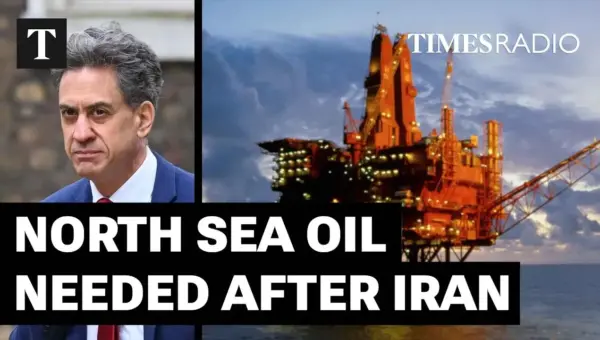
Energy Secretary Ed Miliband is reportedly set to approve a new gas field project in the North Sea, a significant shift in Labour’s approach to energy policy. The decision, concerning the Jackdaw gas field, comes as the government faces increasing pressure over energy security, partly fueled by the ongoing conflict in Iran. This move signals a potential change from Miliband’s previous strong criticisms of new oil and gas developments.
Why the Shift? Jobs, Security, and Geopolitics
The potential approval of the Jackdaw field is driven by several factors. Labour-supporting unions have voiced strong concerns about job losses in the North Sea, questioning whether renewable energy can create an equivalent number of jobs. They argue for the protection of the existing North Sea industry. Furthermore, the current geopolitical climate has highlighted the importance of energy security for the UK. While this project may not immediately lower energy prices, it is seen as a way to bolster the nation’s self-reliance in energy supply.
Jackdaw vs. Rosebank: Different Fields, Different Decisions
The decision specifically relates to the Jackdaw field, which is primarily a gas field. If approved, companies estimate it could meet around 6% of the UK’s total gas needs, powering approximately one million homes. Environmental groups offer a slightly lower estimate for its potential output. Miliband is reportedly considering this approval because the environmental concerns for Jackdaw are seen as less significant than those for Rosebank, another field under consideration. He has previously expressed strong opposition to the Rosebank project, arguing that its approval would violate the UK’s climate commitments under the Paris Agreement.
Timing and Political Considerations
The announcement of the Jackdaw decision is not expected before the upcoming Scottish elections, due to pre-election ‘purdah’ rules that restrict government policy announcements. Following the elections, further information requested by the government on these projects could cause additional delays. However, the direction of travel suggests approval is likely later this year. This decision is distinct from Miliband’s prior stance against issuing new exploration licenses, as Jackdaw was discovered some time ago.
A Change of Course, Not a U-Turn?
While critics may label this as a U-turn, the government might argue it is not. They contend that no firm decision has been reversed, but rather an approach is evolving. Miliband, a vocal critic of new fossil fuel projects, faces pressure from unions who prioritize job protection and are skeptical of claims that renewables can replace North Sea employment. The changing geopolitical landscape, emphasizing energy security, has shifted the political calculus. It’s about ensuring a stable energy supply, even if immediate price reductions aren’t guaranteed.
Cabinet Dynamics and Legal Constraints
The decision-making process for Jackdaw is complicated. It stems from a High Court ruling, making it a quasi-judicial decision. This means Miliband must base his assessment on evidence and the law, rather than making a purely political choice that requires full cabinet approval. While some differences of opinion on North Sea exploitation may exist within the cabinet, it is unlikely that figures like Rachel Reeves were deliberately trying to undermine Miliband’s position. The focus remains on ensuring any decision is legally defensible.
Fracking and Wider Geopolitical Context
The debate around energy policy extends beyond the North Sea. Entrepreneur Sir James Dyson has criticized the government’s policies, advocating for a reconsideration of fracking. However, fracking is not a live issue within the Labour party and is unlikely to be authorized by the current government. The international situation, including discussions around the Strait of Hormuz and potential energy supply disruptions, also plays a significant role. Ministers are actively contingency planning for possible shortages, particularly of diesel and jet fuel. Experts suggest that even if global shipping routes normalize, it could take months to restore energy supplies, making domestic security a critical concern.
Looking Ahead
The approval of the Jackdaw gas field signals a pragmatic approach to energy security for the Labour government. As geopolitical tensions persist and the transition to renewable energy continues, all eyes will be on how the UK balances its climate commitments with the immediate need for reliable energy supplies. Future policy decisions regarding both existing fossil fuel infrastructure and the pace of renewable development will be closely watched.
Source: Miliband Set To Approve North Sea Gasfield Project In Major Labour Shift | Oliver Wright (YouTube)

Related Articles

UK Approves New North Sea Gas Field Amid Energy Security Concerns
The UK government is set to approve the Jackdaw gas field in the North Sea, marking the first major project of its kind in nearly a decade. This decision prioritizes energy security amid global instability. The program also discussed ongoing NHS strikes and rising retail crime.


40 Nations Target Iran’s Oil Grip
A coalition of 40 nations has launched a plan to secure the Strait of Hormuz, challenging Iran's control over global oil shipping. This move comes amid rising oil prices attributed to Iranian aggression, while U.S. energy production provides a stable economic backdrop.


UK Approves New North Sea Gas Field After Policy Shift
The UK government is reportedly set to approve the Jackdaw gas field in the North Sea, signaling a significant policy shift. Experts believe this move is driven by energy security concerns and can help fund the transition to renewables. While welcomed, some argue the decision comes too late.