Gulf Allies Back US on Iran, Want Straits Open
Gulf nations are growing tired of Iran's aggressive actions and are backing U.S. efforts to keep the Strait of Hormuz open. Despite support from regional allies, traditional Western allies show hesitation, leading to a divided international front.

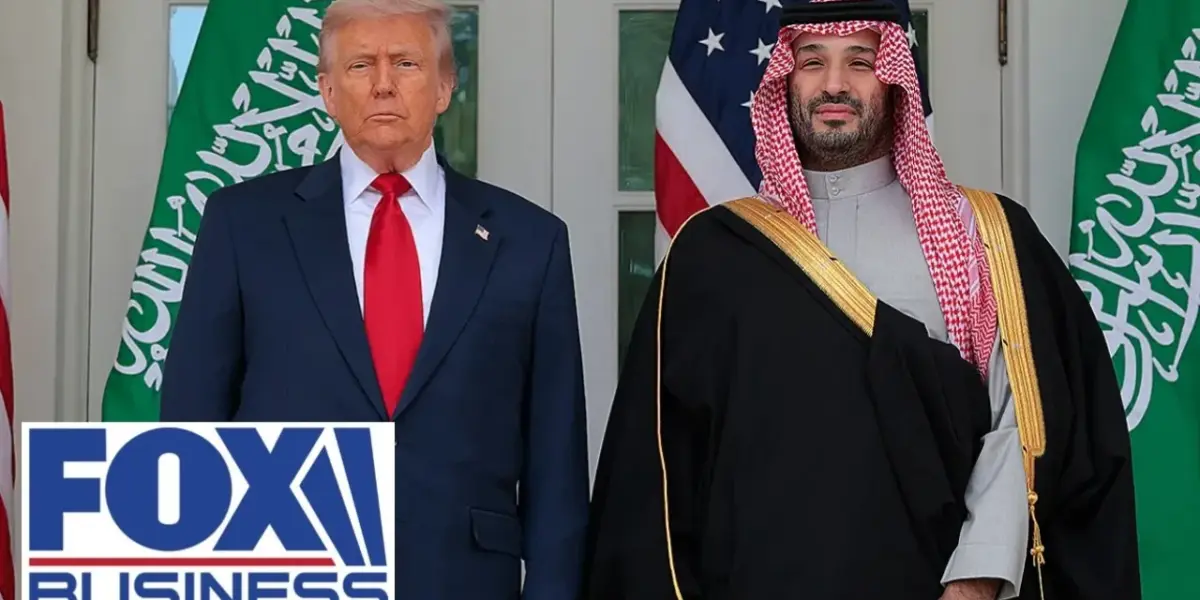
Gulf Allies Back US on Iran, Want Straits Open
More than 40 foreign ministers met in London, discussing how to keep the vital Strait of Hormuz open. This meeting comes as tensions rise with Iran, with some regional neighbors eager to see Iran’s influence curbed.
Retired Vice Admiral Kevin Donegan, former commander of the Navy’s Fifth Fleet, believes these countries are acting because they are directly affected by Iran’s actions. “They don’t want, in the end, Iran when this is over to have control of the Straits,” Donegan stated. He explained that Iran’s actions disrupt the global flow of commerce, which affects businesses worldwide.
Retired Marine Colonel Mike Jump echoed this sentiment. He noted that President Trump’s recent remarks about hitting Iran hard sent oil prices up. Jump believes this signals that the situation might take longer to resolve than some expected. “The Straits of Hormuz is a dangerous neighborhood,” Jump said. He pointed out that the U.S. is now an oil exporter and doesn’t rely on that region for its own oil needs.
Regional Neighbors Tired of ‘Bully’ Tactics
Colonel Jump highlighted recent events where Bahrain and the United Arab Emirates defended against missile attacks. “I think the Middle Eastern neighbors are going to join the war before any NATO allies do,” he predicted. He believes these countries are tired of Iran acting as a bully in the region.
Vice Admiral Donegan agreed, emphasizing that the Gulf nations have been clear from the start. They see Iran’s actions as those of a terrorist organization. Iran has been attacking civilian targets like hotels, airports, and oil tankers, which are not military targets. These attacks have even occurred in countries that had no direct involvement or airspace disputes with Iran.
Donegan noted that these nations have the capability to defend themselves, often with U.S. support and equipment. “They’ve been phenomenal at their defense, stopping well over 90% of the missiles that come at them,” he stated. These countries want the U.S. to continue its pressure until Iran is less of a threat. They also do not want Iran to control the Strait of Hormuz.
Allies Divided on Support
While Gulf allies want more U.S. involvement, traditional allies seem hesitant. Colonel Jump mentioned that some countries, like Austria, have restricted airspace use for missions related to the Strait of Hormuz. “Every country has their own national interests and their own political electorate to pander to,” Jump commented. He added that countries choosing not to help the U.S. might face consequences.
Jump felt that these hesitant allies are essentially absent from the crucial discussions and actions regarding the Strait. “If you’re virtually present, you’re actually absent,” he said, referring to NATO allies not actively participating.
Opening the Straits: Three Paths Forward
Vice Admiral Donegan outlined three potential ways the Strait of Hormuz can be reopened. The first is through forceful action by the U.S. and its allies working together. The second option is through negotiation, which Donegan admitted looks less likely but remains an open possibility. The third, and least desirable option, is for the Strait to be opened under Iran’s terms.
Donegan stressed that the international community does not want the third option to occur. He believes that if Iran sees the world united against it, rather than just the U.S. and Israel, it would be a different situation. “My great hope is that the world comes together and decides that it’s in everyone’s interests to have free flow of commerce through an international waterway,” Donegan concluded. He emphasized that maintaining this free flow is crucial for global commerce and has implications far beyond the Middle East.
Source: The neighborhood is TIRED of being bullied by Iran, retired colonel says (YouTube)

Related Articles

Iran Claims US Pilot Ejected; US Silent Amid Escalating Tensions
Iran claims a U.S. pilot ejected from a fighter jet over its territory, offering a reward for capture. The U.S. has not confirmed the report amid escalating regional tensions. Military experts discuss the strategic implications of U.S. strikes and the potential for internal change in Iran.


US Pilot Feared Lost in Iran; Search Underway
The U.S. military is conducting a search operation inside Iran for an American pilot whose fighter jet may have been downed. Details are limited, with uncertainty over whether the plane was shot down or suffered mechanical failure. The operation highlights the complexities of rescue missions in hostile territory and occurs amid heightened regional tensions.


US Policy Shift Stuns Allies, Weakens Global Security
US policy shifts regarding Ukraine, the Strait of Hormuz, and NATO are raising concerns among allies and creating global instability. Critics point to a lack of strategic planning and diplomatic consultation, potentially emboldening adversaries and undermining international security.