Hungary Election: Orban Faces Uphill Battle Amid Economic Woes
Hungary's Prime Minister Viktor Orban faces a tough election battle amid stagnant growth and high inflation. A surging new challenger, Peter Magyar, offers a critique of corruption and failing services. The election's outcome could significantly impact Hungary's relationship with the EU and its economic future.

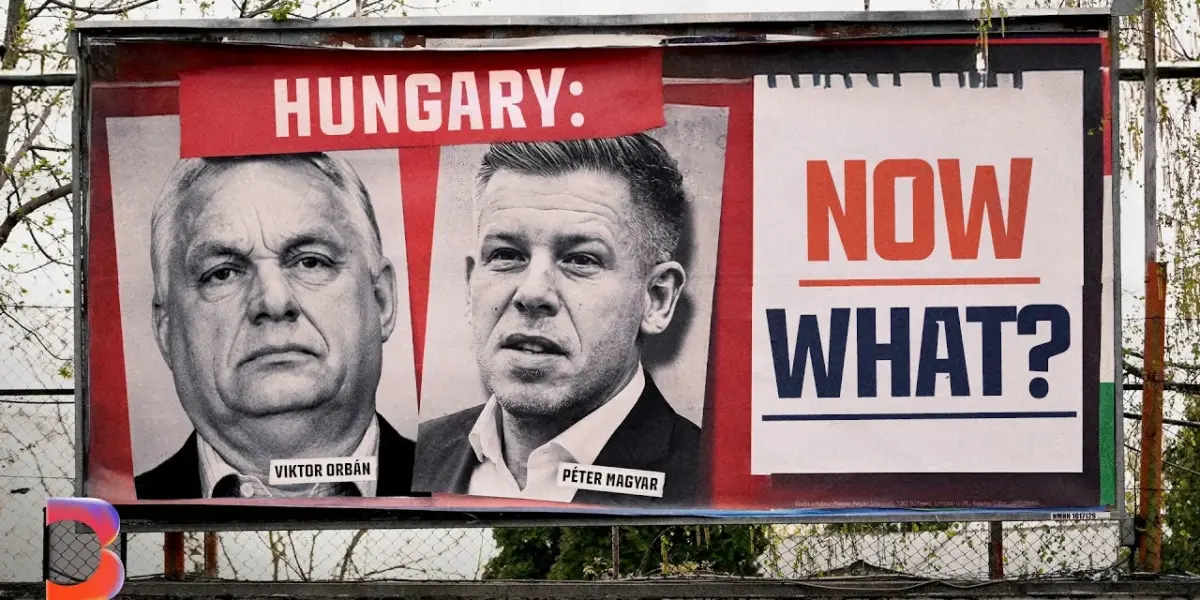
Hungary’s Political Crossroads: Orban Faces Stiff Challenge
Hungary is on the brink of a significant political shift as Prime Minister Viktor Orban faces a tough election battle. After more than 15 years in power, Orban, known for his firm grip on the nation, is now grappling with deep economic problems and a surging new challenger. Stagnant growth, high inflation, and a series of scandals have put his government under intense pressure. The upcoming election is not just a local event; its outcome will ripple across Europe and even influence global politics, given Hungary’s role within the European Union.
Orban’s Long Reign and Shifting Landscape
Viktor Orban first came to power in 1998 and returned in 2010 with a mission to reshape Hungary. He built what he termed an “illiberal state,” moving away from liberal democracy. Early in his second tenure, Orban changed the election system and introduced a new constitution. Critics argue these moves helped his Fidesz party maintain power. He also placed loyalists in key state institutions and influenced media ownership, creating what some call a national echo chamber where public media often acts as a mouthpiece for the ruling party.
Economic Headwinds Plague Hungary
Orban’s government initially benefited from a period of global growth and significant European Union funding after the 2008 financial crisis. His administration delivered tangible benefits like rising wages and new jobs, which helped him regain popularity. However, the economic picture has darkened considerably. Hungary has faced some of the highest inflation rates in Europe, making it difficult for citizens to afford daily necessities. House prices have more than tripled since 2015, growing much faster than incomes for many Hungarians.
Missed Opportunities and Falling Behind
Critics suggest that much of the EU funding Hungary received was spent on visible projects like town square renovations rather than long-term economic development. While Hungary once performed well within the EU, its economic trajectory has lagged behind neighbors like Poland. In terms of income per capita, household spending, and even health outcomes, Hungary has fallen behind. The government has been forced to cut back on investments, including in public services that were already underfunded.
Industrial Ambitions and Environmental Concerns
Orban sought to position Hungary as a bridge between East and West, attracting major foreign investment, particularly from Asian battery makers to support the electric vehicle transition. However, this strategy has not fully paid off. The shift to electric vehicles has been slower than expected, and the German economy, a key export market for Hungary, is also facing challenges. Furthermore, scandals have emerged from these battery factories, involving leaks of toxic chemicals into the environment.
Corruption and Public Discontent
Corruption has become a major concern under Orban’s administration. Transparency International has ranked Hungary as having one of the worst corruption problems in the European Union. This, combined with a struggling economy and failing public services, has created widespread discontent. A significant gap has grown between a well-connected elite and ordinary Hungarians, fueling public anger.
A New Challenger Emerges: Peter Magyar
Into this environment steps Peter Magyar, a former insider within Orban’s ruling circle. Using the previously minor Tisza party, Magyar has become a formidable opponent. He has traveled extensively across the country, connecting with voters directly and bypassing Orban’s controlled media. Magyar’s message is straightforward: keep what people like about Hungary, but eliminate corruption, fix public services, and mend ties with the EU. His appeal has drawn support from voters who are tired of Orban’s rule, including former supporters of Fidesz.
Orban’s Campaign Tactics
Facing a serious threat, Orban’s Fidesz party has returned to its tried-and-true campaign strategy: focusing on fear and identifying external enemies. The current campaign highlights the war in Ukraine as a central theme, suggesting that life in Hungary could be much worse if certain external forces prevail. Past campaigns have targeted the EU, immigrants, and figures like George Soros. Orban often portrays himself as a strong leader respected on the global stage, though this message may be resonating less with voters.
Market Impact and Investor Outlook
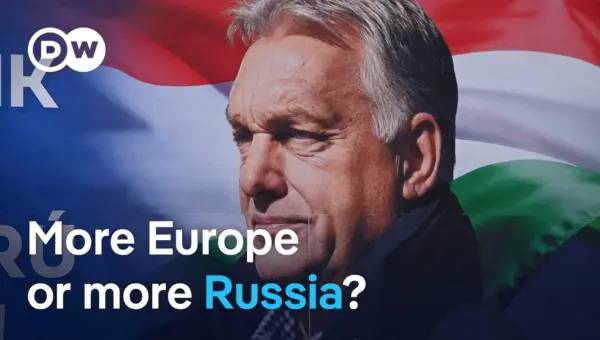
Hungary’s political and economic stability is crucial for investors. Orban’s government has often clashed with EU institutions, sometimes blocking key decisions, particularly those concerning aid to Ukraine or NATO expansion. This stance has sometimes appeared to favor Russian interests, especially regarding energy contracts. The uncertainty surrounding Hungary’s future direction, its relationship with the EU, and its economic policies creates a challenging environment. Even if Orban’s party loses the election, its deep entrenchment in state institutions and media could continue to influence policy and create obstacles for any new government.
What Investors Should Know
Investors are watching Hungary closely due to its strategic position within the EU and its role in Central European markets. Orban’s policies have often prioritized national interests, sometimes at odds with EU consensus, leading to potential trade and investment friction. The country’s reliance on foreign investment, particularly from Germany and Asian manufacturers, makes it sensitive to global economic trends and geopolitical developments. High inflation and economic stagnation present risks to corporate earnings and consumer spending. The outcome of the election, and the subsequent political landscape, will be key factors in determining Hungary’s economic trajectory and its attractiveness to foreign capital in the coming years. The potential for continued political influence by the incumbent party, even in opposition, adds another layer of complexity for market participants.
Source: Viktor Orbán and the Fight for Hungary (YouTube)

Related Articles
Hungary-Russia Collusion Alleged in Bid to Lift Sanctions
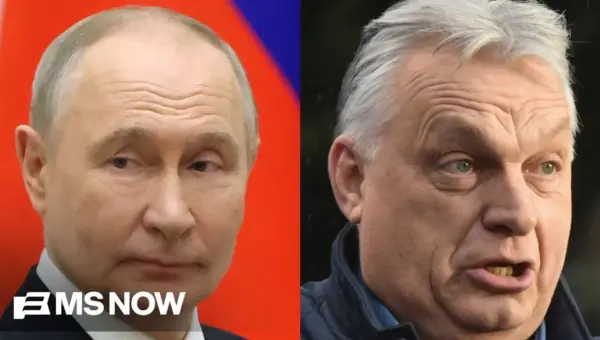
A new report alleges that Hungary's foreign minister colluded with Russia's Sergey Lavrov to lift EU sanctions on Russian oligarchs and entities. Intercepted calls, authenticated by experts, suggest Budapest acted as a Kremlin agent. The revelations surface as Hungary heads into a critical election, raising concerns about Russian interference and the country's future within the EU.


Russia Spreads Fake News to Sway Hungary Election
Russia is reportedly using fake news and manipulated videos to influence Hungary's upcoming elections. Fabricated stories about Ukrainian refugees and alleged assassination plots aim to stir up anti-Ukraine sentiment and deflect blame for economic issues, aligning with Russian foreign policy goals.
Hungary Divided: Orban Faces Strong Opposition in Key Election
Hungary is facing a pivotal election pitting incumbent Prime Minister Viktor Orban against opposition leader Peter Magyar. The vote will determine if the nation continues its Russia-aligned path or returns to democratic European values amidst deep societal divisions and economic concerns.