Doctors Strike Again: Pay Dispute Threatens NHS Services
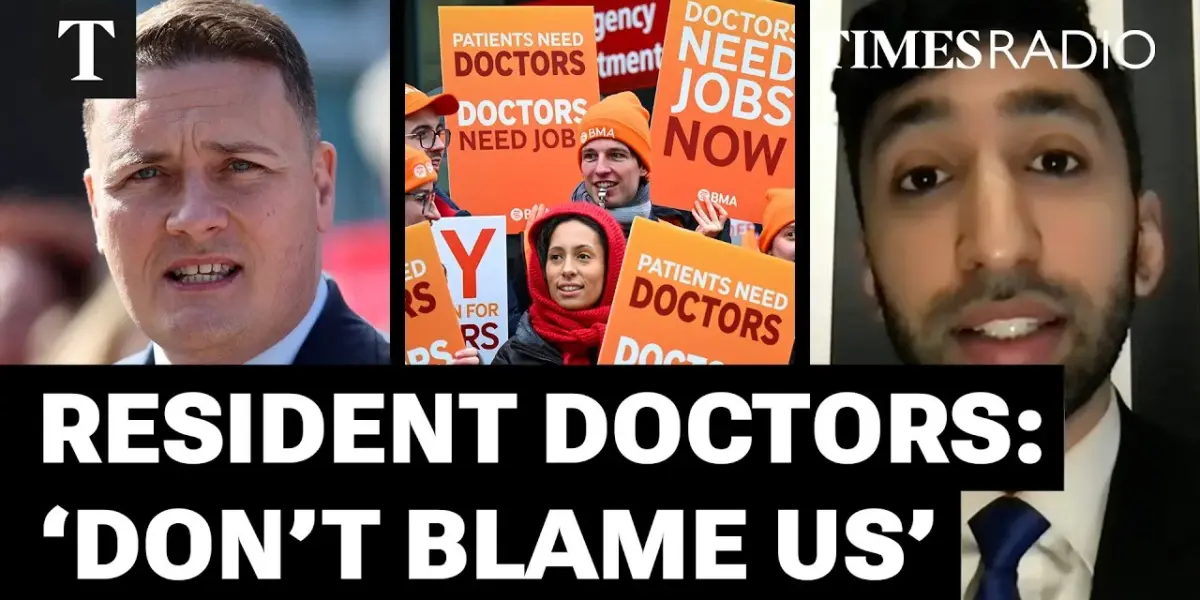
Resident doctors are launching a six-day strike next week, marking their 16th walkout since March 2023, as a pay dispute with the government remains unresolved. Doctors are demanding their salaries be restored to 2008 levels, arguing that the NHS is critically understaffed and underfunded. The NHS is preparing for potential monthly strikes throughout the year.

Doctors Set for Major Strike Amid Unresolved Pay Dispute
Resident doctors across the UK are preparing for their 16th strike since March 2023, with a six-day walkout scheduled to begin next week. This latest industrial action highlights a deep and ongoing dispute over pay levels, with doctors demanding their salaries be restored to 2008 levels. The National Health Service (NHS) is bracing for potential monthly strikes throughout the year as a resolution to the conflict appears increasingly unlikely.
NHS Chief’s Strategy: Reduce Reliance on Doctors
NHS chief executive Sir Jim Mackey has reportedly informed hospital leaders that the health service must become less dependent on resident doctors. He suggested increasing the use of non-medical staff, such as nurses and healthcare assistants, to cover patient care. This approach, according to Mackey, is a necessary adaptation because the NHS can no longer guarantee the consistent presence of doctors due to ongoing strikes.
“It’s like the chief executive of the aviation industry saying that we need to be less reliant on pilots,” stated Dr. Shivam Sharma, deputy chair of the BMA’s resident doctor’s committee. “Resident doctors are a core part of the NHS workforce. We make up the majority of frontline staff. And just like you wouldn’t say that we can replace nurses, we can’t replace resident doctors.”
Doctors Argue Staffing, Not Over-Reliance, is the Issue
Dr. Sharma strongly refuted the idea that the NHS is over-reliant on resident doctors. He argued that the core problem is severe understaffing and widespread burnout among healthcare professionals. The strikes, he explained, are partly intended to highlight these critical staffing shortages and the desperate need for more investment in the NHS. He compared the situation to suggesting the NHS could be less reliant on nurses, emphasizing that doctors and nurses are essential, irreplaceable parts of the healthcare system.
Training Posts Removed Amidst Dispute
Adding to the tension, health officials recently removed 1,000 training posts that would have provided much-needed specialists. Dr. Sharma described this move as “deplorable,” especially given the long waiting lists for many medical services. He questioned the government’s decision, asking if the public needs specialists and, if so, why these crucial training positions are being withheld. The government’s stance suggests these posts are unavailable due to financial constraints, which doctors argue are a direct result of the ongoing dispute and the pressure on NHS finances.
The Core Demand: Restoring 2008 Pay Levels
The central demand from resident doctors is the restoration of their pay to 2008 levels. They propose a phased approach to achieve this over several years. The current offer from the government, a 1% pay uplift annually for three years, is considered insufficient, especially in light of global inflation. Doctors fear this would result in a real-terms pay cut, further eroding their earnings. They are seeking an hourly rate of £23 for a first-year doctor, up from the current approximately £19 per hour.
Government’s Position: Dispute ‘Deeply Entrenched’
The health secretary has expressed doubt about reaching a resolution, describing the dispute as “deeply entrenched” and stating he is shifting focus away from negotiations. He has also alleged that the BMA failed to provide a counter-offer within a 48-hour window when training posts were supposedly on the table. Dr. Sharma countered this, asserting that the BMA’s position on pay restoration has been consistent since 2022 and that the government’s claims are a misrepresentation.
Scotland Offers a Different Path
Dr. Sharma pointed to Scotland as an example of successful negotiation. Doctors in Scotland have also balloted for strike action but have ultimately reached agreements with the Scottish government. This has resulted in doctors in Scotland earning significantly more than their counterparts in England. “It shows it’s not just a question of affordability. It’s really just a question of priorities,” Sharma stated, suggesting the English government’s approach is a matter of political will rather than financial impossibility.
Public Reaction Mixed as Strikes Continue
Public reaction to the ongoing strikes is divided. Some sympathize with the doctors’ demands, recognizing the challenges faced by the NHS and the doctors themselves. Others express frustration over cancelled appointments and the impact on patient care, particularly for elective procedures, including cancer operations. The BMA maintains that the strikes are aimed at improving the quality of care by highlighting understaffing and underfunding, issues they argue have persisted since the pandemic.
What’s Next?
With the six-day strike imminent and no clear signs of a breakthrough, the dispute between resident doctors and the government appears set to continue. The NHS is preparing for further disruption, while doctors remain firm in their demands for fair pay and better staffing. The coming weeks will be crucial to see if either side softens its stance or if the industrial action escalates further, impacting patient services across England.
Source: 'All We Want Is Our 2008 Pay Levels Restored' | Resident Doctor (YouTube)

Related Articles

NHS Masters Strike Management, But Patient Care Still Suffers
The NHS has developed a strong capacity to manage strike actions, leading to surprisingly efficient operations during industrial disputes. However, this adaptation comes at a cost, with patient care still significantly disrupted and staff morale suffering under immense pressure.

Junior Doctors’ Pay Rise Falls Short Amid NHS Doctor Shortage
A recent pay rise for junior doctors is unlikely to resolve the NHS's critical doctor shortage, according to GP Dr. Sarah Jarvis. She argues the main problem is a lack of training places, creating a "log jam" for new doctors. The discussion also highlighted the growing need for GPs to screen patients for gambling addiction.


Trump’s Lavish Ballroom Project Masks Deeper Issues
While the Trump administration reportedly considered healthcare cuts for military funding, President Trump focused on showcasing plans for a new White House ballroom. This disconnect raises questions about leadership priorities and the administration's engagement with pressing national issues and the needs of its citizens.