Iran War Declared Over: US Seeks Exit Amid Domestic Focus
The U.S. appears to be signaling an end to its military conflict with Iran, driven by a need to focus on domestic issues. President Trump's recent speech suggests a desire for de-escalation, despite aggressive rhetoric. The analysis highlights economic hardship, contradictory messaging, and the pressing challenges at home as key drivers for this shift.

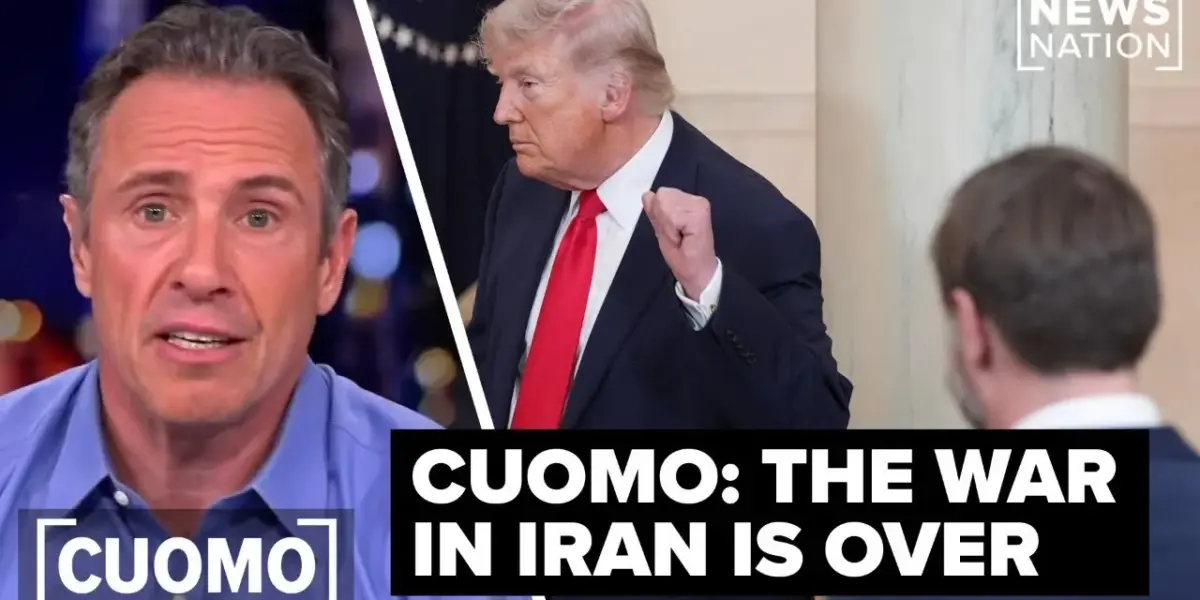
US Signals End to Iran Conflict, Shifts Focus Inward
Cuomo Analysis: A War Winding Down?
President Trump’s recent speech, marking one month of “Operation Epic Fury,” suggests the military conflict with Iran is nearing its end. The message, delivered on April Fool’s Day, was a mix of strong rhetoric and subtle indications of a desire for withdrawal. While the long-standing risks posed by the Iranian regime remain, the strategy for dealing with them appears to be shifting towards disengagement.
The core takeaway from the President’s address is that the war is “all but over.” This conclusion is drawn not just from what was said, but also from what was left unsaid and the overall tone. The President declared that America is winning and promised to hit enemies “extremely hard” in the coming weeks, aiming to return them to the “stone age.” However, this aggressive language was juxtaposed with statements about opening straits “naturally” and a desire to “make a deal.” This combination suggests a push for de-escalation rather than further military engagement.
Conflicting Messages and a Hazy Plan
The administration’s messaging appears contradictory. The idea of bombing a nation into the “stone age” raises questions about how this can be achieved without harming innocent civilians, a concern echoed by the mention of Gaza-style massacres. Destroying infrastructure, like a major bridge, primarily impacts the people trapped in the region, making life harder for them rather than directly weakening the regime. The promise that straits will “naturally reopen” recalls similar, unfulfilled predictions regarding COVID-19, highlighting a perceived lack of a concrete plan beyond finding a way out of the conflict.
This perceived haphazardness and self-contradiction strongly suggest that the primary goal is an exit strategy. The analysis posits that whatever military objectives could be met without causing mass civilian casualties have likely been achieved. The political fight over defining these achievements will continue, but the operational phase of the conflict seems to be concluding.
Iran’s Position and the Unreliable Deal-Making
The analysis also touches on the communication with Iran. The leader presented as a “new and better leader” has apparently refuted any notion of positive change or a desire for a cease-fire. This makes any potential deal-making incredibly challenging. The idea that the U.S. can prevent Iran from obtaining nuclear weapons is also questioned. Past assurances that Iran’s nuclear capacity would be liberated have been followed by a stronger Iran, leading to a lack of trust in official statements on this issue.
Economic Hardship and the Urge to Leave
The conflict has imposed economic hardship on the U.S., with two dozen countries now involved in the situation. The economic pain is expected to linger, serving as a strong incentive for the U.S. to disengage. Should the exit strategy prove messy or protracted, the administration is expected to blame the Iranian regime or internal figures, rather than accepting responsibility.
Domestic Political Maneuvers
The firing of the Army Chief of Staff is seen as a move to appease superiors before potential fallout. This aligns with a pattern where the President reportedly avoids taking responsibility for perceived failures, instead shifting blame by removing staff. The case of Pam Bondi, allegedly removed for not being corrupt enough, is cited as an example of unusual personnel decisions.
A Call for Domestic Focus
Democrats are urged to seize this moment and redirect the focus back to domestic issues. While criticizing the war and caring about the Iranian people is valid, Americans are believed to prioritize their own well-being and the state of the nation. The battle cry should be “Fix America First,” focusing on the real threats and challenges facing the country.
Economic Woes at Home
The one-year mark since the “liberation day” promises has seen little fulfillment. Instead of a manufacturing boom, the U.S. has lost manufacturing jobs. Foreign investment has decreased, and prices have risen. The Federal Reserve estimates that tariffs alone contributed over 10% of the inflation experienced last year. The ongoing conflict is costing a billion dollars daily, with proposals to fund it by cutting social programs for the poor.
Tariffs disproportionately affect small businesses, which make up 97% of U.S. importers. These businesses have paid significant amounts in tariffs, leading to layoffs, price increases, and lost customers to larger corporations that can absorb these costs. The analysis highlights that some businesses are still paying tariffs deemed illegal, with no system in place for repayment, a situation that needs to be addressed.
The Real War: Domestic Challenges
The “fake war” with Iran is seen as winding down, but the exit may be messy. The true war, the analysis argues, is the one fought at home: the rising cost of living, the impact of tariffs on businesses, and the challenges facing everyday Americans. This domestic battle is presented as the real menace, requiring immediate attention and action.
Source: Trump's address showed the war with Iran is over: Cuomo | CUOMO (YouTube)

Related Articles

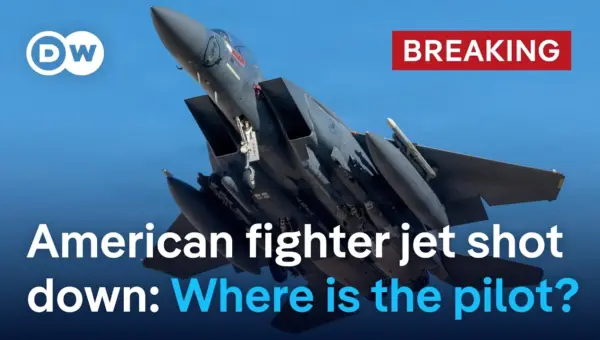
US Jet Downed in Iran: Crew Fate Unknown, War Unpopular
An American F-15 fighter jet has been shot down over Iran, with U.S. officials confirming the loss but offering few details on the crew's fate. The incident occurs amid widespread public opposition to the war and raises questions about Iran's air defense capabilities.

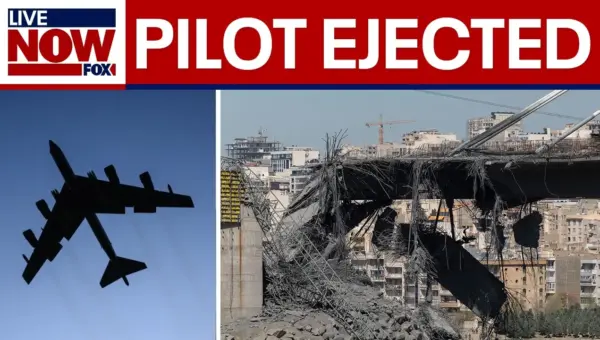
Iran Claims US Pilot Ejected; US Silent Amid Escalating Tensions
Iran claims a U.S. pilot ejected from a fighter jet over its territory, offering a reward for capture. The U.S. has not confirmed the report amid escalating regional tensions. Military experts discuss the strategic implications of U.S. strikes and the potential for internal change in Iran.

Trump Ousts AG Bondi, Eyes Zeldin as Successor
Pam Bondi is out as Attorney General after one year, with Deputy AG Todd Blanche serving as Acting AG. President Trump confirmed the departure, praising Bondi and hinting at a new private sector role. Lee Zeldin is reportedly being considered as Bondi's permanent replacement, amid ongoing speculation about other cabinet changes.