Woods’ DUI Case Tests Rehab as Defense
Golfer Tiger Woods was arrested in Florida on DUI charges after crashing his SUV. The arrest followed his refusal to take a urine test. Woods is now entering rehab, which his defense team may use to argue his case.

Woods’ DUI Case Tests Rehab as Defense
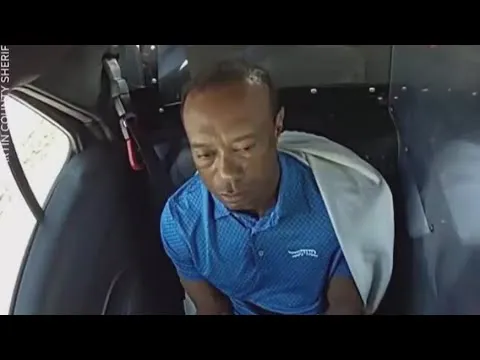
Tiger Woods, the famous golfer, was arrested recently in Florida. The arrest came after his SUV crashed and rolled onto its side. Newly released police body camera video shows the moments after the crash. Woods appeared disoriented in the footage. He told officers he was looking at his phone and changing the radio. This is when his vehicle hit another truck.
The arrest report says Woods’ eyes were red and watery. Officers also found two pain pills in his pocket. He did not have alcohol in his system, according to the breathalyzer test. The charge against him is Driving Under the Influence (DUI). This charge came about because he refused to take a urine test. In Florida, refusing a urine test after a DUI arrest is a misdemeanor charge.
Woods Claims He Spoke with President
During his arrest, Woods told officers he had just spoken with President Trump. He said he was talking to the President. This statement was made to the arresting officers. A former police chief, Jeffrey Halstead, commented on this. He suggested Woods might have said this to try and intimidate the officers. Halstead found the claim unusual, especially given Woods’ high profile.
Evidence of Impairment
The body camera footage showed Woods nodding off and hiccuping. These are signs that can indicate impairment. While he didn’t appear to be staggering, the focus of the DUI charge is on impairment from drugs, not alcohol. The urine test refusal is key here. Officers can conduct different tests if they suspect drug influence.
One such test is the horizontal gaze nystagmus test. This test can show if someone’s eyes are impaired. The report indicated Woods’ injuries prevented some standard tests. However, the hiccups were noted as a possible side effect of prescription drugs. These were described as prescription narcotics, not illegal street drugs. This means a standard officer could handle the investigation, rather than needing a drug recognition expert.
Woods Enters Rehab, Defense Strategy
Following the arrest, Woods announced he would seek treatment in rehab. He stated he recognized the seriousness of the situation and asked for privacy. This decision to go to rehab raises questions about his defense. Experts suggest that painkiller addiction can be a long-term issue. The strong painkillers Woods may have been taking can be very addictive.
His attorneys are expected to use his rehab admission as part of his defense. They will likely argue that he had a problem with prescription drugs. This problem, they will say, led to his actions. The defense might ask for his court case to be postponed because he is in treatment. This is a common strategy in such cases.
Potential Outcome and Legal Process
Given the circumstances, Woods is likely to face fines and some probation. The outpatient treatment he receives will probably be a condition of his probation. While he has pleaded not guilty to the DUI charge, entering rehab could influence the legal proceedings. It shows a willingness to address the underlying issues.
The legal team will have to present a complex argument. They must explain that Woods was not under the influence while driving. At the same time, they will highlight his ongoing treatment for prescription drug abuse. This approach aims to mitigate the penalties for the DUI charge by demonstrating a commitment to recovery.
Global Impact
While this case directly involves Tiger Woods and the U.S. legal system, it touches on broader themes. The issue of prescription drug abuse among high-profile individuals is a growing concern worldwide. Many athletes and celebrities face similar battles with addiction. Their struggles often bring public attention to these private health issues.
The legal strategy of using rehab admission as a defense is not new. It reflects a societal shift towards viewing addiction as a health problem. This can lead to more lenient outcomes in legal cases. However, the refusal to take a breathalyzer or urine test remains a significant factor in DUI cases. It often suggests an attempt to hide impairment.
Why This Reshapes the World Order
This event doesn’t reshape the global order itself. However, it highlights how even the most successful individuals can face personal challenges. It shows that fame and wealth do not protect people from addiction or its consequences. The legal and public response to such cases can influence how society views addiction and rehabilitation. It puts a spotlight on the pressure and potential for substance abuse in high-stakes professions.
Source: Tiger Woods likely to get probation after DUI arrest: Jeffrey Halstead | Elizabeth Vargas Reports (YouTube)

Related Articles

Trump Fires AG, Middle East Tensions Rise, Space Mission Advances
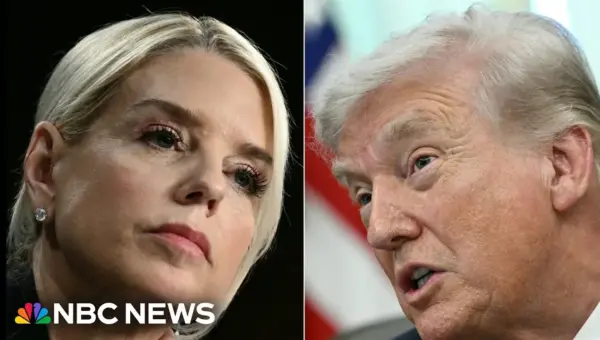
President Trump fired Attorney General Pam Bondi, citing frustration with her performance. Meanwhile, Middle East tensions escalated with increased strikes on civilian infrastructure, causing oil prices to surge past $100 a barrel. In space news, the Artemis II mission successfully began its journey towards the Moon with four astronauts aboard.


Trump Ousts AG Bondi, Army Leader Flees Amid Global Tensions
President Trump has fired Attorney General Pam Bondi amidst growing frustration, with the Epstein files possibly being the final straw. Meanwhile, the Army's top general has been ousted, and details emerge from Tiger Woods' DUI arrest. The Artemis astronauts are en route to the moon after a critical maneuver.


Trump Fires AG, Army Chief Ousted Amid Global Tensions
President Trump has fired Attorney General Pam Bondi, citing dissatisfaction with her performance. The shakeup follows the ousting of the Army's top general amid international tensions. Elsewhere, new footage emerges from Tiger Woods' DUI arrest, and a doctor testifies in his own defense in a Hawaii trial.