World Allies Step Up as US Steps Back from Strait Security
As the US steps back, over 30 nations met to secure the vital Strait of Hormuz, crucial for global oil trade. President Trump wants allies to lead security efforts, while Iran's leverage and potential Russian support complicate the situation. Military options are being considered, but reopening the strait may take longer than anticipated.

World Allies Step Up as US Steps Back from Strait Security
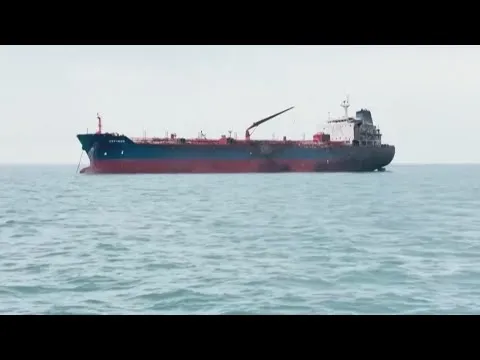
President Trump has stated that the United States will strongly attack Iran in the coming weeks. He also said it’s time for Iran to make a deal. This comes after Iran’s seizure of the Strait of Hormuz, a vital shipping route. The UK recently led a meeting with over 30 countries to discuss reopening the strait. However, the United States did not attend this meeting.
Iran’s Leverage and Global Economic Impact
Iran’s main way to pressure others is through the Strait of Hormuz. This narrow waterway is essential for global trade, especially for oil. Iran has been accused of illegally taking control of it. Britain’s Foreign Secretary stated that Iran is holding the global economy hostage. Military planners will meet to figure out how to keep the strait safe, even after the fighting stops.
Divergent US Stance and Allied Concerns
President Trump believes securing the Strait of Hormuz is not America’s job. He feels other countries, especially those who rely on oil from the region, should take the lead. This is a change from previous US policy, where it often led such efforts. European and Asian allies, like Japan, South Korea, and India, depend heavily on this oil route. Their economies would suffer greatly if the strait remains closed.
Russia’s Role and Regional Dynamics
Ukrainian President Volodymyr Zelensky warned that Russia is helping Iran fight against American interests. Intelligence suggests Russia is providing Iran with objects that can be used in the Middle East. This alleged Russian support adds another layer of complexity to the region’s security situation. It hints at broader geopolitical rivalries playing out through the conflict with Iran.
Military Strategy and Coalition Building
Former Commander of the USS Cole, Kirk Lippold, and former Ambassador Nathan Sales discussed how the strait could be reopened. Ambassador Sales emphasized that American leadership is still crucial. He noted that the US has unique capabilities and a leading role in the Middle East. An international coalition is needed, with the US playing a part but other nations also sharing the responsibility.
The goal is to force the strait open without having to negotiate with Iran. Negotiating might mean giving Iran something in return, which could teach them that holding shipping hostage works. This would set a dangerous precedent.
Reopening the Strait: Military Options
Admiral Lippold explained potential military actions. These could include continuing to target Iran’s military infrastructure, like the bridge that was hit, which was used for military supplies. The US and its allies could also target resources that allow Iran’s military to operate, such as weapons capabilities. Clearing mines within the strait and providing constant surveillance to spot and stop Iranian threats from their coast would be necessary.
This would require an international force to work together. The United States would likely lead in creating the conditions for this operation.
Iran’s Resilience and the Timeline
Despite effective strikes by the US and Israel, Iran still shows some ability to launch missiles and drones. Ambassador Sales noted that Iran’s fighting capacity is much lower than before. The number of missile and drone launches has dropped significantly. This is seen as a testament to the effectiveness of US military actions. However, Iran’s neighbors and allies like Israel are still dealing with incoming attacks.
President Trump suggested that military objectives could be achieved in two to three weeks. Admiral Lippold called this timeline optimistic. He believes military goals might take longer to reach. When achieved, the Strait of Hormuz should open, though some level of risk will remain.
Global Impact
The situation in the Strait of Hormuz directly impacts the global economy. Any disruption causes oil prices to surge, leading to higher gas prices for consumers worldwide. The US’s shift towards expecting allies to take the lead in securing this vital route could reshape international security cooperation. It might encourage a more burden-sharing approach among nations that benefit from stable global trade. The alleged involvement of Russia adds a layer of complexity, suggesting a wider geopolitical struggle.
Historical Context
The Strait of Hormuz has long been a point of strategic importance and tension. Its control has been a key factor in regional conflicts and international diplomacy. Historically, major powers have often taken a leading role in ensuring freedom of navigation in such critical waterways. This current situation marks a potential departure, with the US signaling a desire for its allies to step up and share more of the security burden.
Future Scenarios
One scenario is that a strong international coalition, perhaps led by the UK and other European and Asian nations, successfully secures the strait with some US support. This could lead to a de-escalation of tensions. Another possibility is that the US eventually re-engages more directly if the coalition struggles, or if Iran’s actions become more severe. A prolonged conflict or continued disruption of shipping could lead to a significant global economic downturn. The extent of Russian involvement could also influence regional stability and international relations for years to come.
Source: Trump right to ask allies for help in securing strait: Ex-ambassador | Elizabeth Vargas Reports (YouTube)

Related Articles


Oil Shock: Hormuz Closure Triggers Global Financial Crisis
A prolonged closure of the Strait of Hormuz could trigger a global financial crisis, leading to soaring energy prices, bond market instability, and a stock market crash. Analysts warn of potential job losses and asset devaluation, with limited safe havens for investors.


Trump Fires AG Bondi, Iran Tensions Rise, Artemis II Heads to Moon
Attorney General Pam Bondi has been fired by President Trump, with Deputy AG Todd Blanche stepping in as acting AG. Amidst rising oil prices and escalating tensions, the U.S. warns Iran as the Artemis II mission successfully heads towards the Moon. Golfer Tiger Woods was arrested for DUI and is stepping away for treatment.


China’s Global Reach Faces Setbacks Amidst Internal Turmoil
China's international influence is facing growing opposition and internal challenges. From strategic island disputes and diplomatic overtures towards Taiwan to domestic unrest and technological failures, Beijing's global ambitions are encountering significant setbacks. These events signal a complex geopolitical landscape where China's power is being tested on multiple fronts.