White House Ballroom Faces Backlash, Echoing Past Controversies
A controversial new ballroom at the White House has received final approval, sparking debate. This mirrors historical opposition to other now-iconic White House features, suggesting future acceptance.

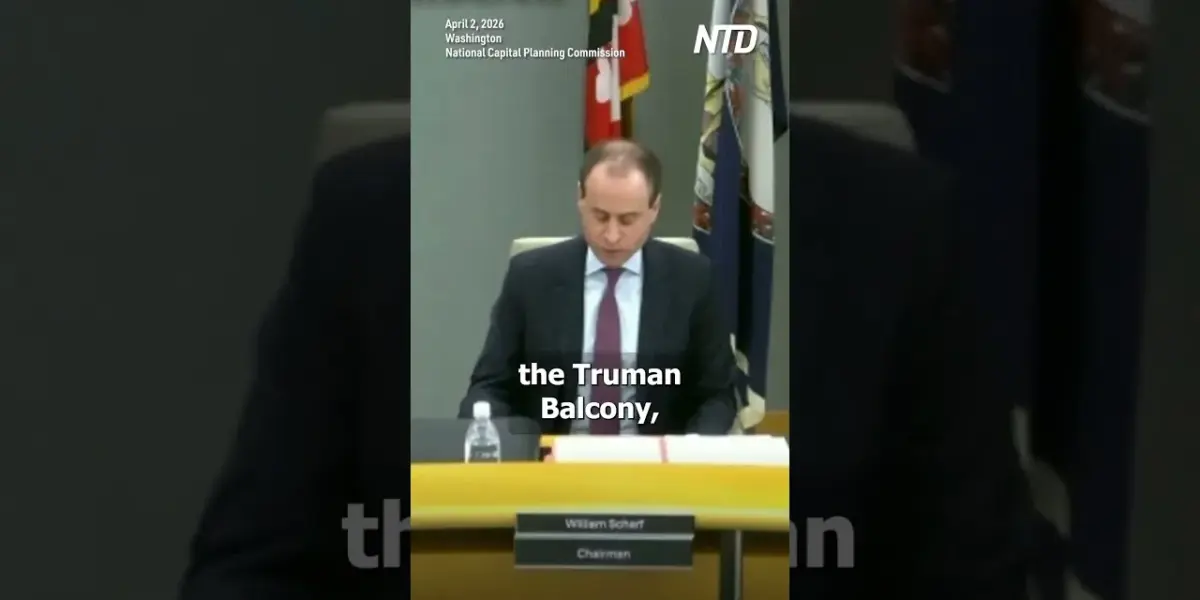
White House Ballroom Faces Backlash, Echoing Past Controversies
A recent decision to approve a new ballroom for the White House, coming just days after a judge tried to halt construction, has stirred up old debates. This project, like many changes to the White House throughout history, is facing strong criticism. However, looking back at how other famous parts of the White House were once disliked, this new ballroom might eventually be seen as a positive addition.
History Repeats Itself: Criticism of Change
The White House, a symbol of American history and power, has never been a static building. Over centuries, it has been changed, added to, and modified many times. Interestingly, almost every significant addition or change that we now admire as iconic was fiercely attacked when it was first proposed or built. This pattern of criticism against new features is a long-standing tradition.
For example, the grand North and South Porticoes, which are now instantly recognizable parts of the White House, faced harsh opposition when they were first planned. People at the time thought they were unnecessary or even ugly. Similarly, the West Wing, which houses the Oval Office and the President’s staff, was once seen as a controversial addition. Even the Truman Balcony, a beloved feature offering a lovely view, was not universally praised at its inception.
The Current Debate Over the Ballroom
The plan for a new ballroom at the White House has recently gained final approval, despite a judicial attempt to stop construction. This approval comes at a time when the project is already facing significant public and potentially legal challenges. The timing of the approval, so close to a judicial ruling against it, highlights the urgency and perhaps the contentious nature of the project.
Those who support the ballroom argue that it will serve an important function for official events and gatherings. They believe it will enhance the capabilities of the White House for hosting dignitaries and national celebrations. The idea is that a dedicated space will improve the experience for guests and the efficiency of presidential functions. This perspective suggests that the ballroom is a practical necessity for a modern presidency.
Lessons from the Past
The current criticism of the ballroom mirrors the reactions to past White House modifications. People often resist change, especially when it involves a historic and revered building like the White House. It’s easy to forget that the features we take for granted today were once subjects of heated debate and disapproval. This historical perspective is crucial for understanding the current controversy.
The speaker in the video suggests that, just like the porticoes, the West Wing, and the Truman Balcony, the new ballroom will likely be accepted and even celebrated in the future. The belief is that once the ballroom is completed and integrated into White House operations, its utility and contribution to the complex will become evident. Time and familiarity often change public perception, turning initial objections into eventual acceptance.
Why This Matters
This situation highlights a recurring theme in public works and historical preservation: the tension between tradition and progress. Every generation faces decisions about how to adapt iconic structures to modern needs without losing their historical integrity. The White House is no exception. The approval of the ballroom, despite the controversy, shows a commitment to evolving the functionality of this historic site.
The debate also touches on issues of transparency and public input in government projects. While the final approval has been granted, the legal challenges and public outcry suggest that a more open discussion might have been beneficial. Understanding how such projects are approved and the public’s reaction is important for civic engagement.
Implications and Future Outlook
The approval of the ballroom suggests that the current administration sees its construction as a priority. This may indicate a trend towards modernizing presidential facilities to meet contemporary demands. Future administrations might look at this project as a precedent for similar renovations or additions.
The long-term success of the ballroom will depend on its actual use and how it is perceived by future generations. If it proves to be a functional and valuable addition, it will likely fade into the background as just another part of the White House. If it continues to be seen as controversial or unnecessary, it could remain a point of historical debate.
Ultimately, the story of the White House ballroom is a reminder that even the most cherished symbols of our nation are products of change, often born from disagreement. The way we view and critique these changes today may be very different from how they are seen years from now.
Source: Trump’s White House Ballroom Gets Final Approval Days After Judge’s Ruling Halting Construction (YouTube)

Related Articles


Trump Weighs War Exit Amid Iran Strikes and Internal Debate
President Trump is reportedly facing internal debate over how to end the escalating conflict with Iran, according to a new Time Magazine report. While publicly vowing to increase strikes, privately Trump seeks an "off-ramp" to declare victory and avoid domestic backlash, even as advisors express surprise at Iran's retaliatory attacks.


Trump Reveals Secret Bunker Plans, Compromises Security
A federal judge has halted construction on a White House ballroom project, a decision Donald Trump appears to have misunderstood. In his defense, Trump inadvertently revealed details about an underground security bunker, raising national security concerns. The ruling underscores the president's role as a steward, not owner, of federal property.

White House Ballroom Project Gains Approval Amid Legal Battles
The White House ballroom project has secured final approval from the National Capital Planning Commission, moving forward despite a federal judge's order to halt construction. The project faces significant legal and congressional hurdles, with critics questioning its size, cost, and necessity. If completed, it would be the largest structural addition to the White House in over 70 years.