Trump Reveals Secret Bunker Plans, Compromises Security
A federal judge has halted construction on a White House ballroom project, a decision Donald Trump appears to have misunderstood. In his defense, Trump inadvertently revealed details about an underground security bunker, raising national security concerns. The ruling underscores the president's role as a steward, not owner, of federal property.

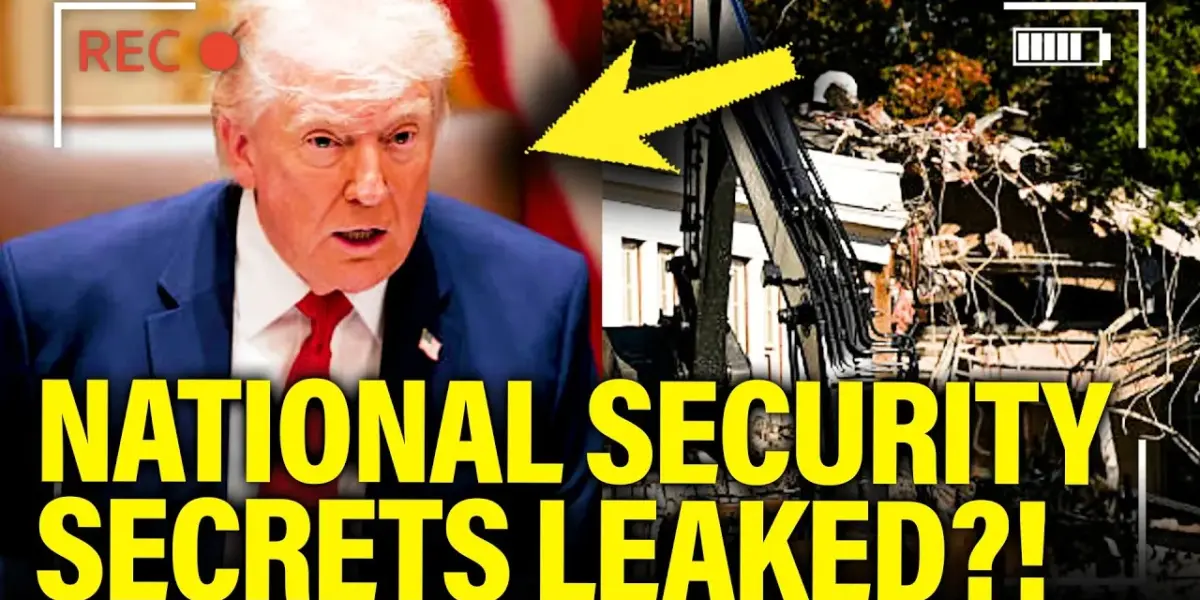
Trump’s Ballroom Project Unearths National Security Concerns
Donald Trump has once again found himself at the center of controversy, this time involving a construction project at the White House that has spiraled into a legal battle and raised serious questions about national security. A federal judge recently halted construction on a new ballroom project, a decision Trump appears to have misunderstood, leading him to inadvertently reveal details about an underground security bunker. This situation highlights a pattern of Trump’s approach to legal and governmental processes.
Judge Halts Construction Amid Legal Challenges
The issue began when Judge Leon, in a detailed 35-page ruling, granted a preliminary injunction to stop further construction on the ballroom. The National Trust for Historic Preservation argued that the project violated laws and the separation of powers, lacking proper congressional approval. Judge Leon agreed, stating that the president is a temporary resident of the White House and cannot unilaterally authorize such extensive projects without congressional consent.
Trump’s administration had argued that congressional approval was not needed, especially since private funds were being used. However, the judge pointed out that taxpayer money still funds White House staff working on the project. Previous major renovations at the White House, like those under Presidents Ford and Truman, all received explicit congressional approval, a step Trump’s administration bypassed.
Trump Misinterprets Ruling, Reveals Security Details
Following the judge’s order, Donald Trump made public statements that revealed critical details about the underground facilities being built beneath the ballroom. He referred to the ballroom itself as a mere ‘shed’ covering a ‘massive security bunker,’ which he described as an extension of the presidential emergency operations center. He mentioned features like bulletproof glass, drone-proof roofs, secure air handling systems, and bomb shelters.
This disclosure is deeply concerning from a national security perspective. Revealing the specifics of these security features to the public, and potentially to adversaries, undermines the very safety they are designed to protect. Experts argue that such information should remain classified, not shared in public statements or during legal defenses.
Judge’s Order Clarifies Limited Scope of Construction
The judge’s order was nuanced. While it halted most construction, it did allow for actions ‘strictly necessary to ensure the safety and security of the White House and its grounds.’ Trump interpreted this as permission to continue building the bunker and its elaborate security features. However, the judge clarified in a footnote that this exception was meant to address immediate safety concerns related to the construction site itself, such as securing an open excavation, not to permit the continuation of the entire underground project.
The judge explicitly warned that any above-ground construction not in compliance with the order was at risk of being torn down. The intent was to secure the site, not to allow the full build-out of the bunker and its extensive security measures, especially without congressional authorization.
Historical Context: Presidential Authority and Property
Historically, the White House and its grounds are considered federal property, managed by Congress. Presidents act as stewards, not owners. Major alterations have always required congressional oversight. Even seemingly minor changes, like a fence installation in 2019, involved a formal approval process. Trump’s claim of unilateral authority, even with private funding, contradicts established norms and legal precedents.
The judge’s ruling emphasized this principle, stating, ‘The president of the United States is the steward of the White House for future generations. He is not the owner.’ This fundamental distinction is at the heart of the legal challenge.
Implications and Future Outlook
The immediate future of the ballroom and bunker project is uncertain. Trump’s administration has appealed the ruling, and the case could reach the Supreme Court. The legal battle highlights a broader tension between executive authority and congressional oversight, particularly concerning the use of federal property and national security infrastructure.
The incident also raises concerns about Trump’s public statements and their impact on national security. His willingness to disclose sensitive information, even if he believes it strengthens his position, poses a significant risk. This event underscores the importance of clear legal processes and the need for presidential administrations to respect established governmental procedures and the rule of law.
Why This Matters
This situation is critical because it touches upon fundamental aspects of American governance: the separation of powers, the president’s role as a steward of public property, and the paramount importance of national security. Trump’s actions and statements suggest a disregard for legal processes and a potentially dangerous approach to revealing sensitive security details. The outcome of this legal dispute will set a precedent for how future presidential administrations handle construction and security enhancements at the White House, reinforcing the principle that no one is above the law, not even the president.
Source: Trump makes SHOCK ADMISSION about SECRET BUNKER?! (YouTube)

Related Articles


Trump’s NATO Insults Spark Global Outrage, Allies Push Back
Former U.S. President Donald Trump's leaked private remarks, filled with insults aimed at NATO allies, have sparked international outrage and calls for European self-reliance. The comments highlight growing concerns about U.S. reliability and the potential for a long-term split in transatlantic relations. The discussion also touched upon domestic UK issues, including NHS strikes and political shifts, alongside a unique debate on marmalade regulations.


Trump Fires AG Bondi Amidst Barrage of Personnel Changes
Donald Trump has fired Attorney General Pam Bondi, her tenure marked by controversy and a short duration. This move continues a pattern of high turnover in key positions within the Trump administration, raising concerns about legal integrity and future appointments.
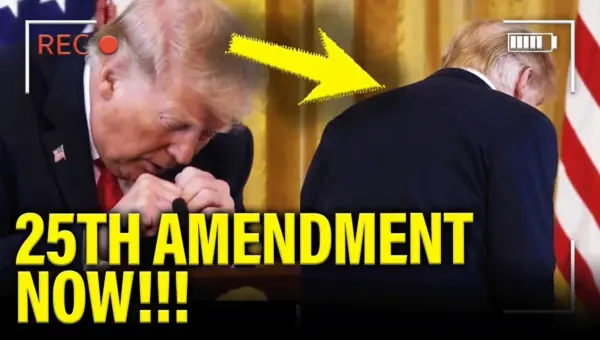
Trump’s Own Lawyer Calls for 25th Amendment
Donald Trump's former lawyer, Tai Cobb, is among those calling for the 25th Amendment to be invoked, citing concerns over Trump's mental and physical state. Cobb believes Trump is "gone" and unfit to serve. This comes amid observations of erratic social media posts and foreign policy decisions that critics argue are driven by narcissism and impulse.